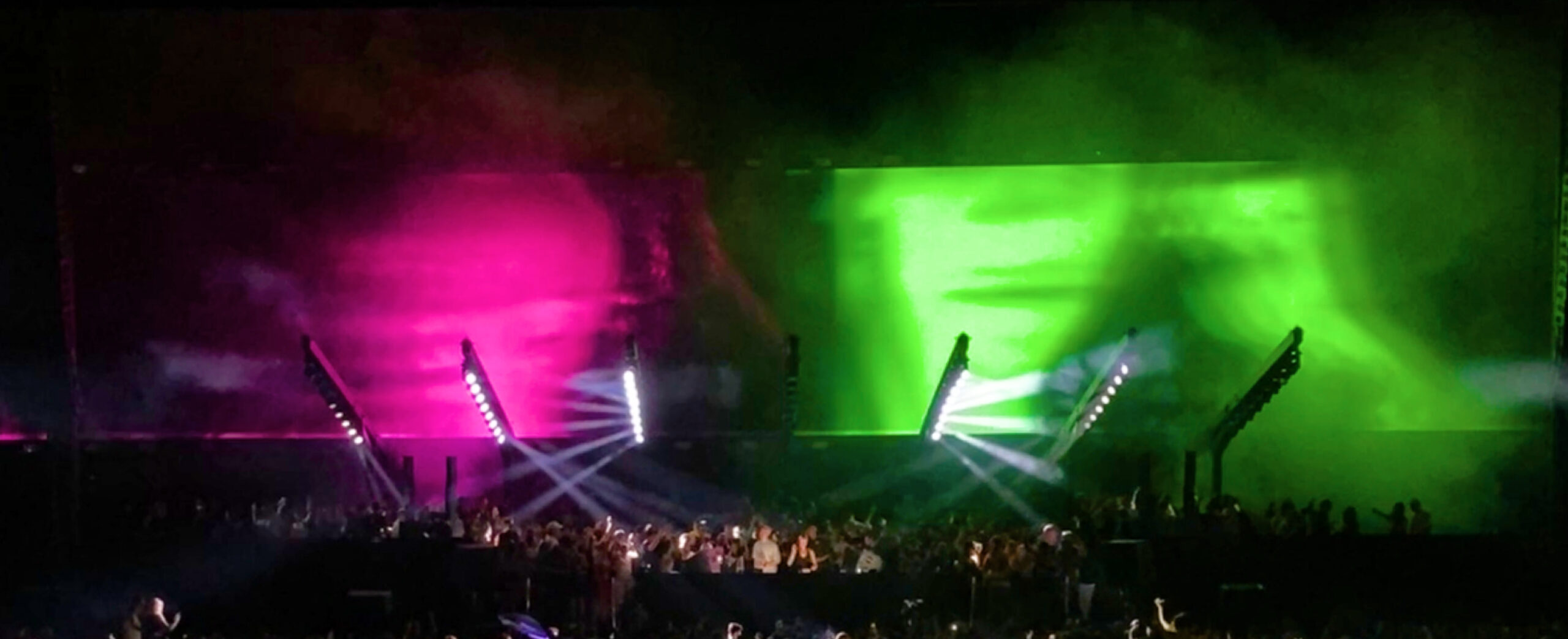
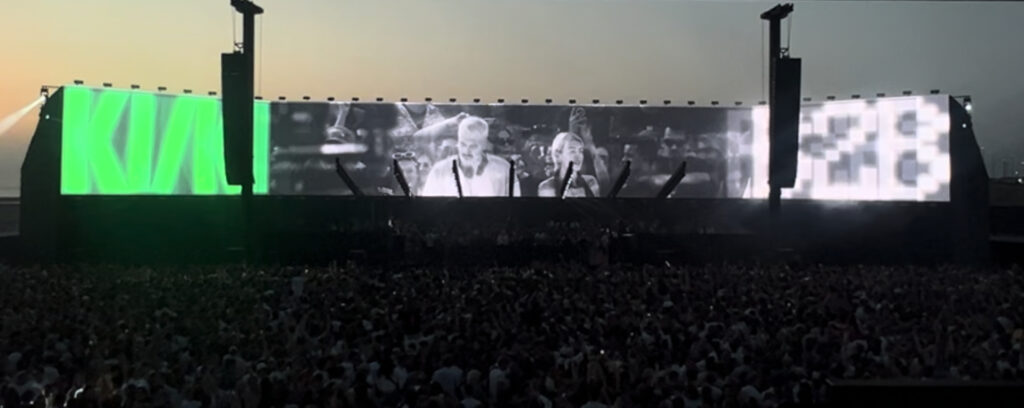
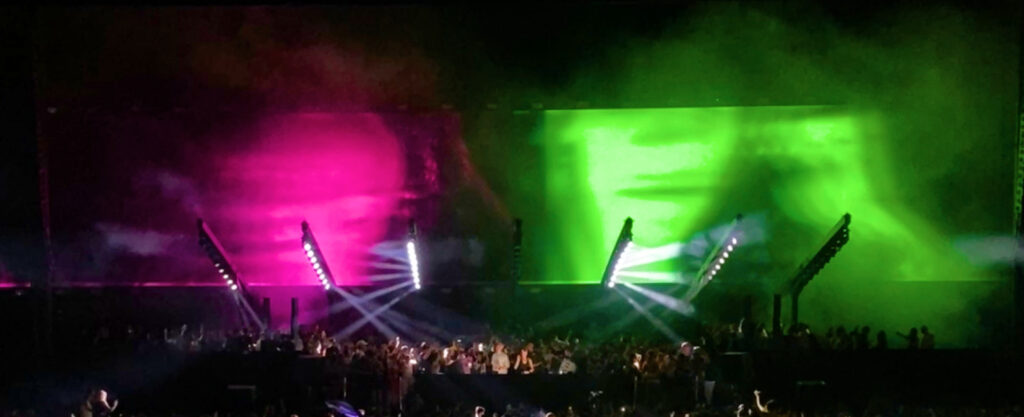
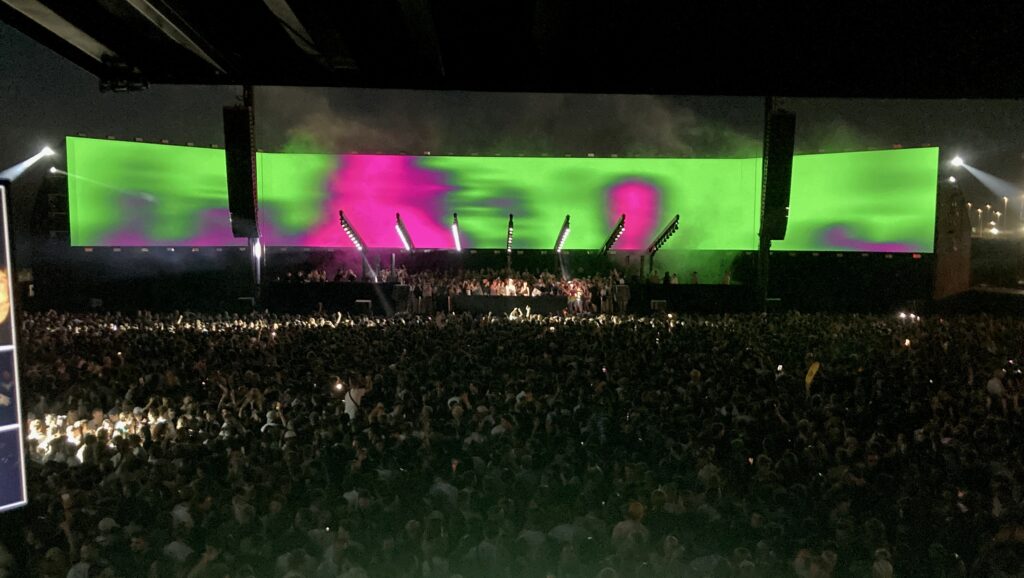
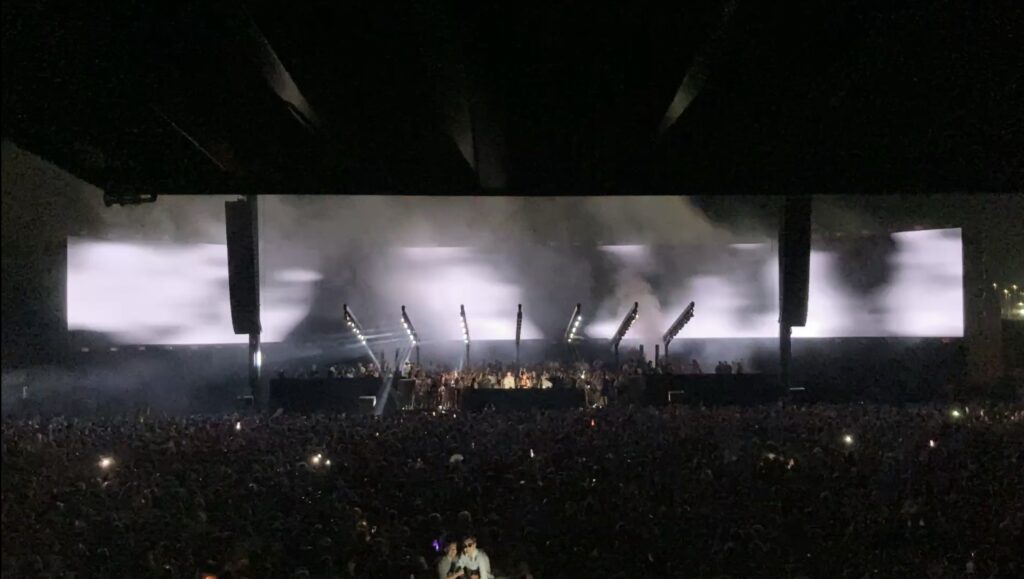
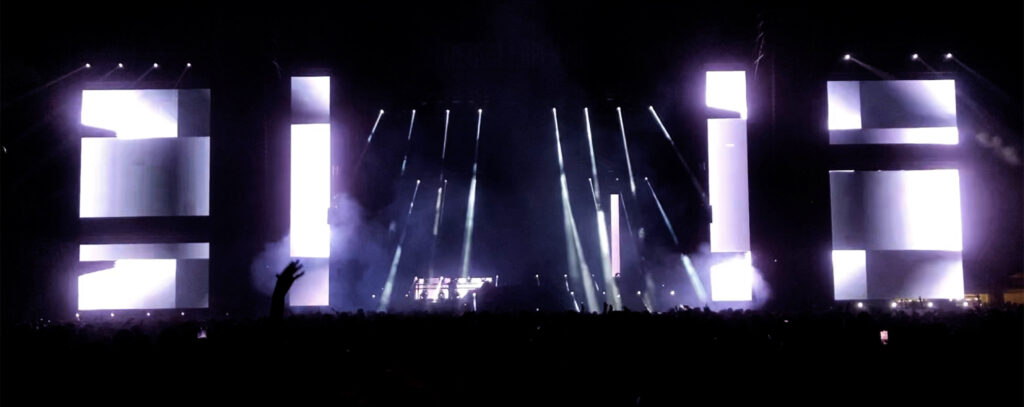
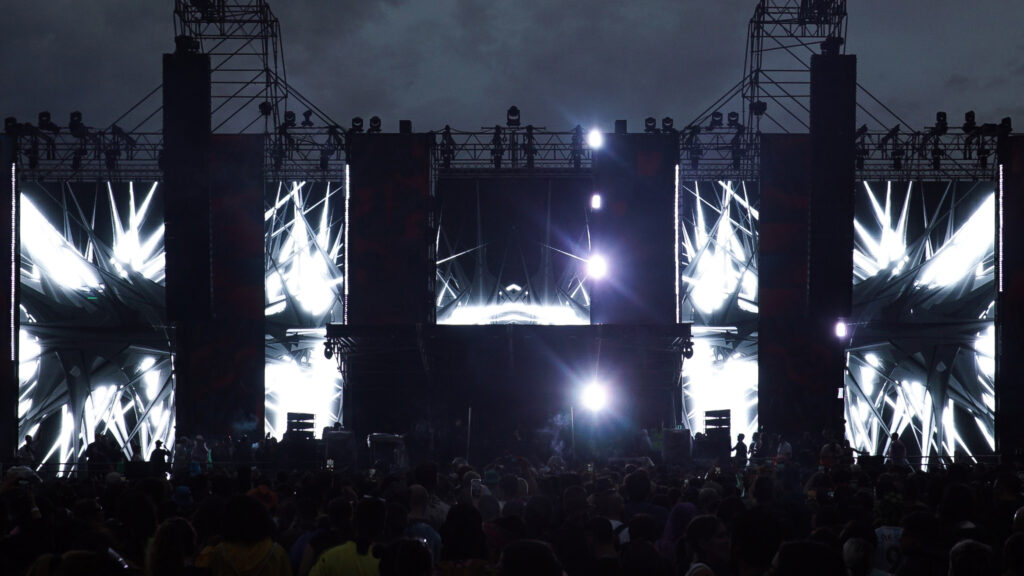
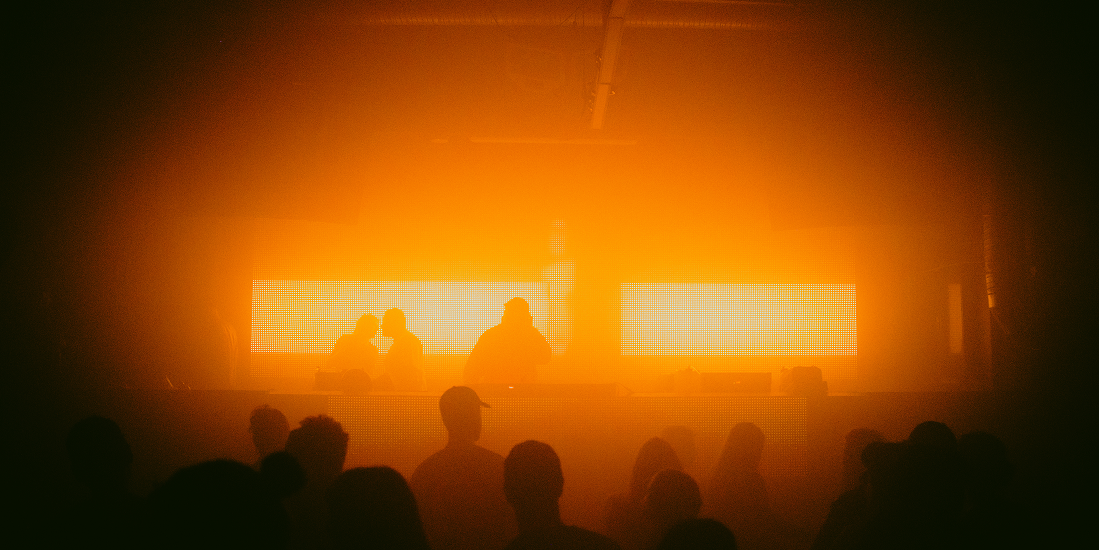
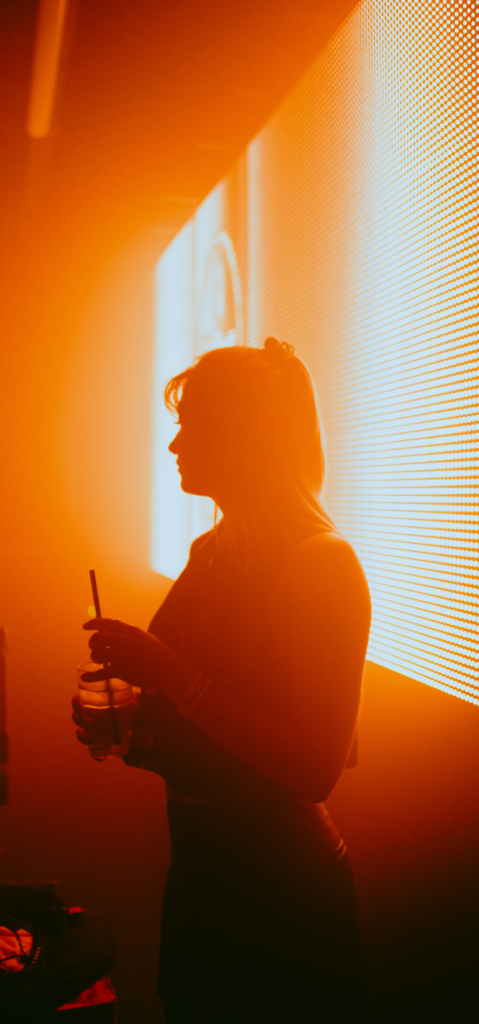
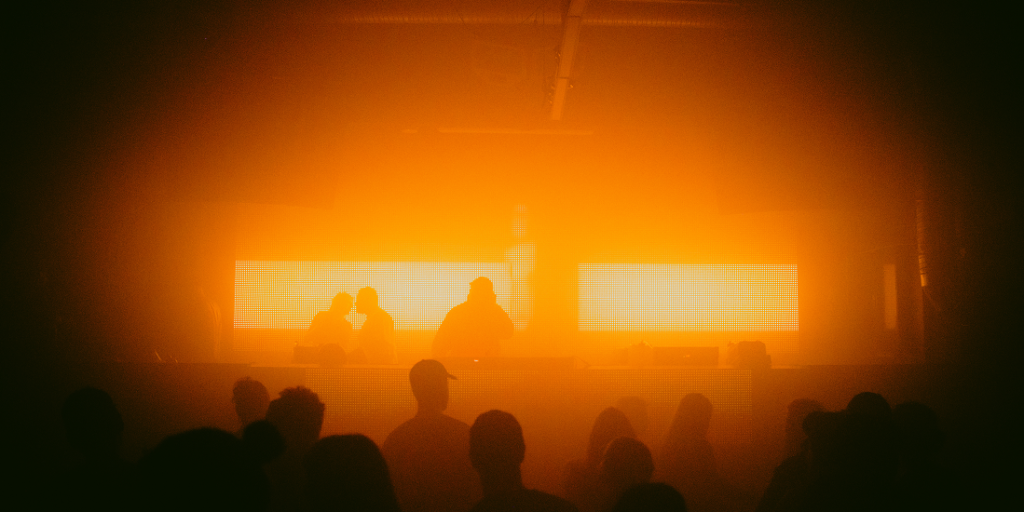
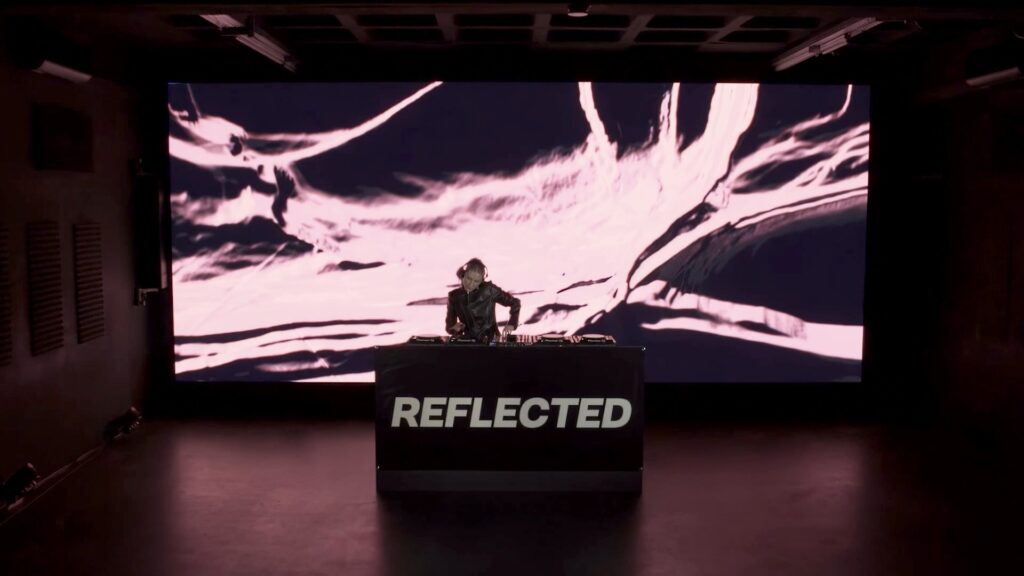
Marlon Hoffstadt and KI/KI, five hours on a beach in Zeebrugge. 22,000 people, 60-metre LED wall.
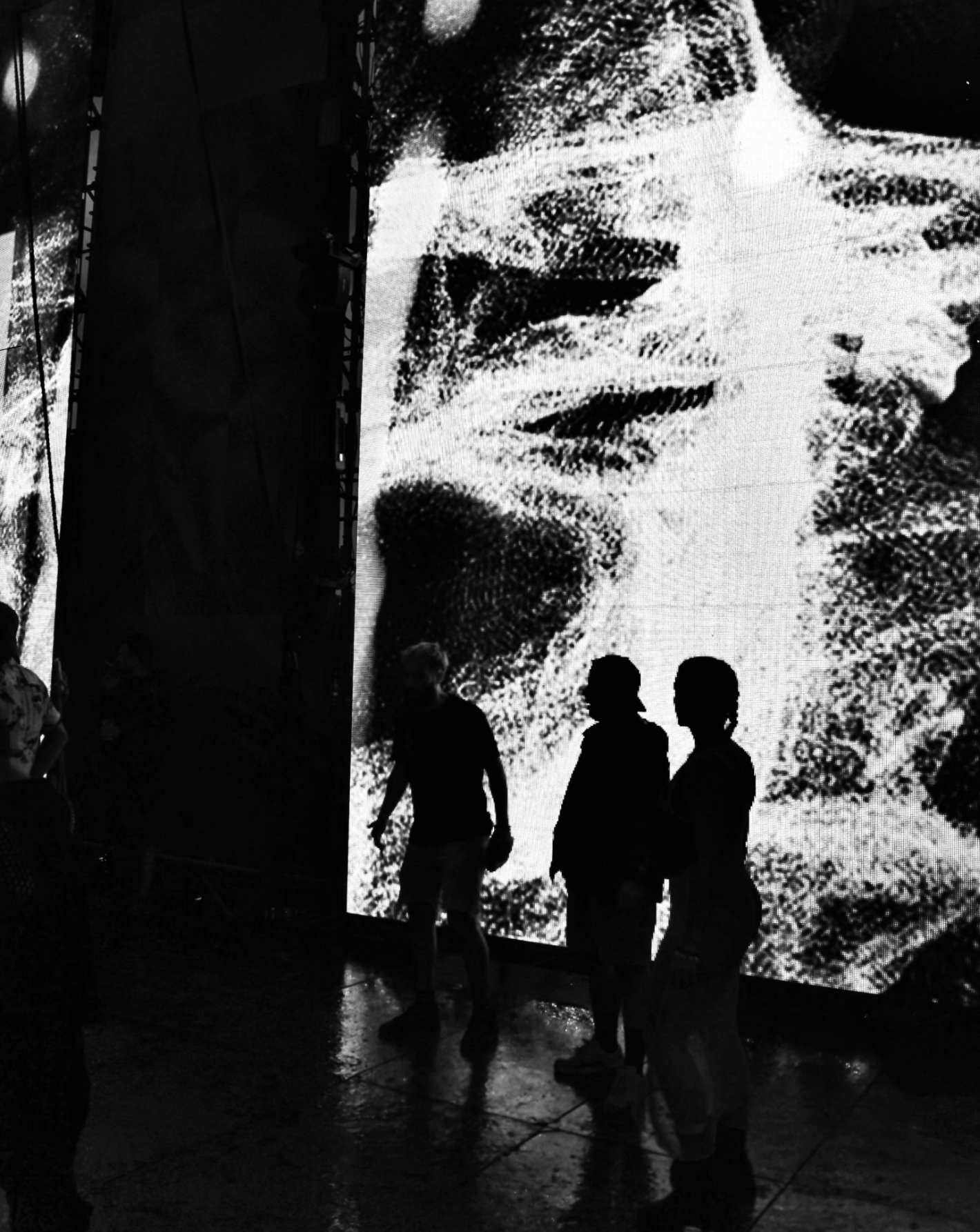
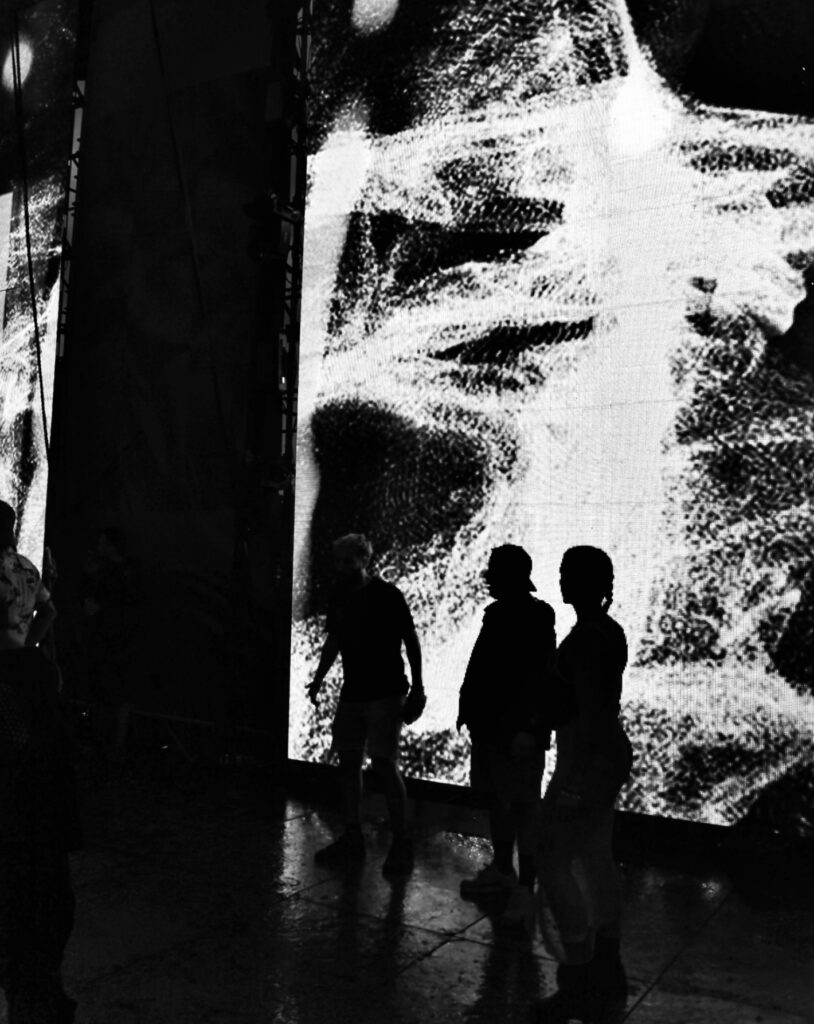
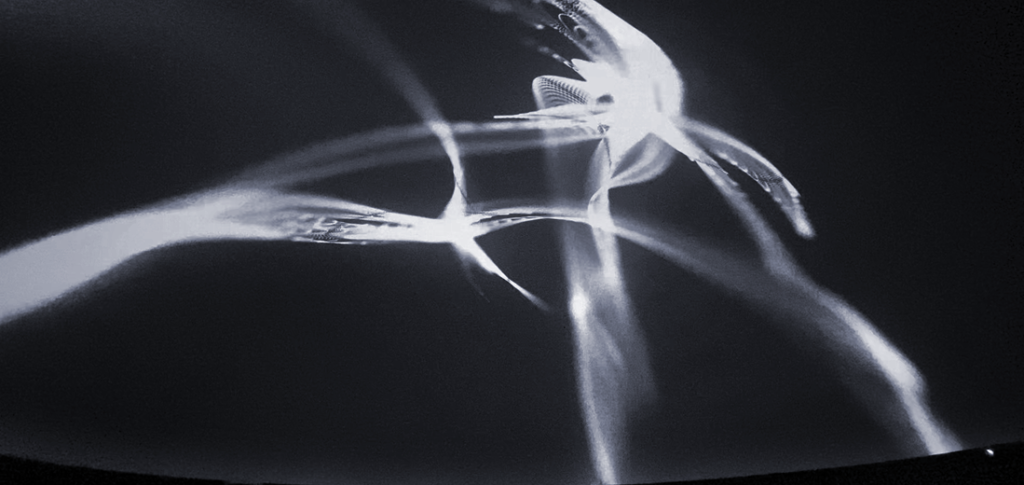
ungrid developed a live camera treatment system for the show. Multiple camera feeds processed in realtime into a single visual layer. The treatment shifts per artist: black and white, inverted, green and pink. A sharp image softens into smeared gradients. Faces surface and dissolve. At higher intensities the camera stops being documentation and becomes something closer to how the night is remembered.
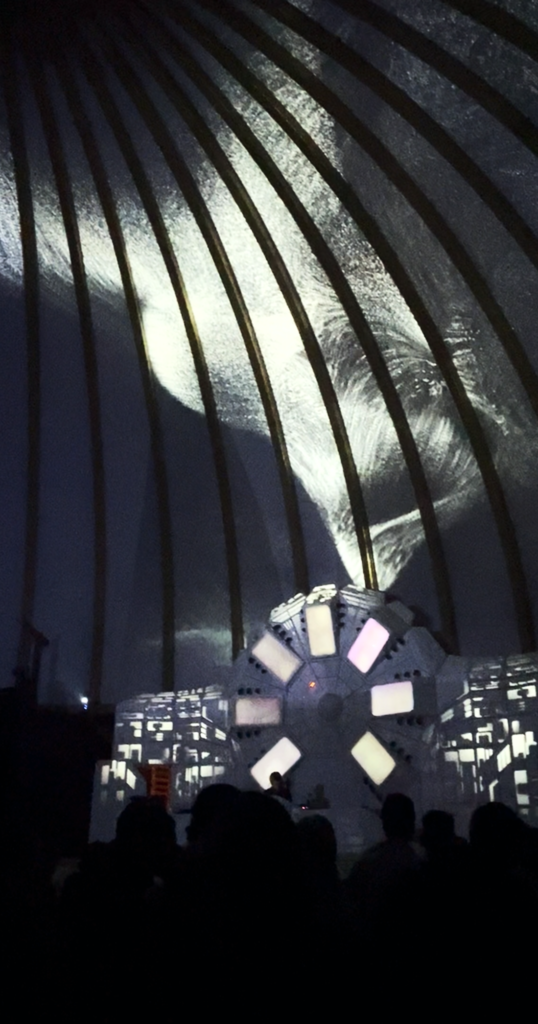
Three years as house VJ for Decibel Open Air, one of Italy’s largest techno festivals. 50,000 visitors, main stage across two days each year. Charlotte de Witte, Marco Carola, Amelie Lens, Peggy Gou.
Audioreactive realtime visuals in TouchDesigner, prepared and played live, integrated into the festival’s production. Booked through PFA Studios each year.
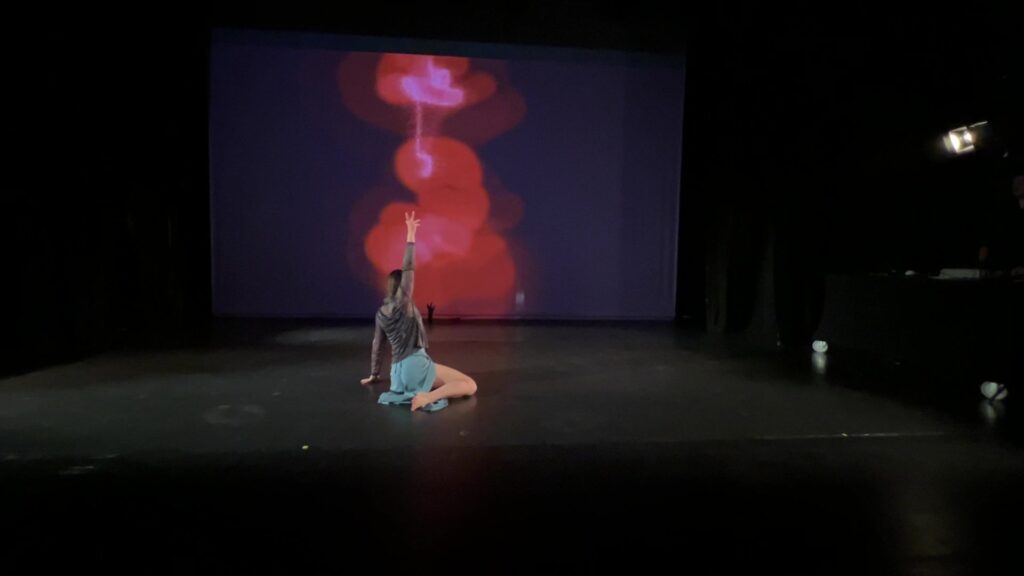
The piece was built around a simple premise: that people might move again as children do, out of curiosity rather than self-consciousness.
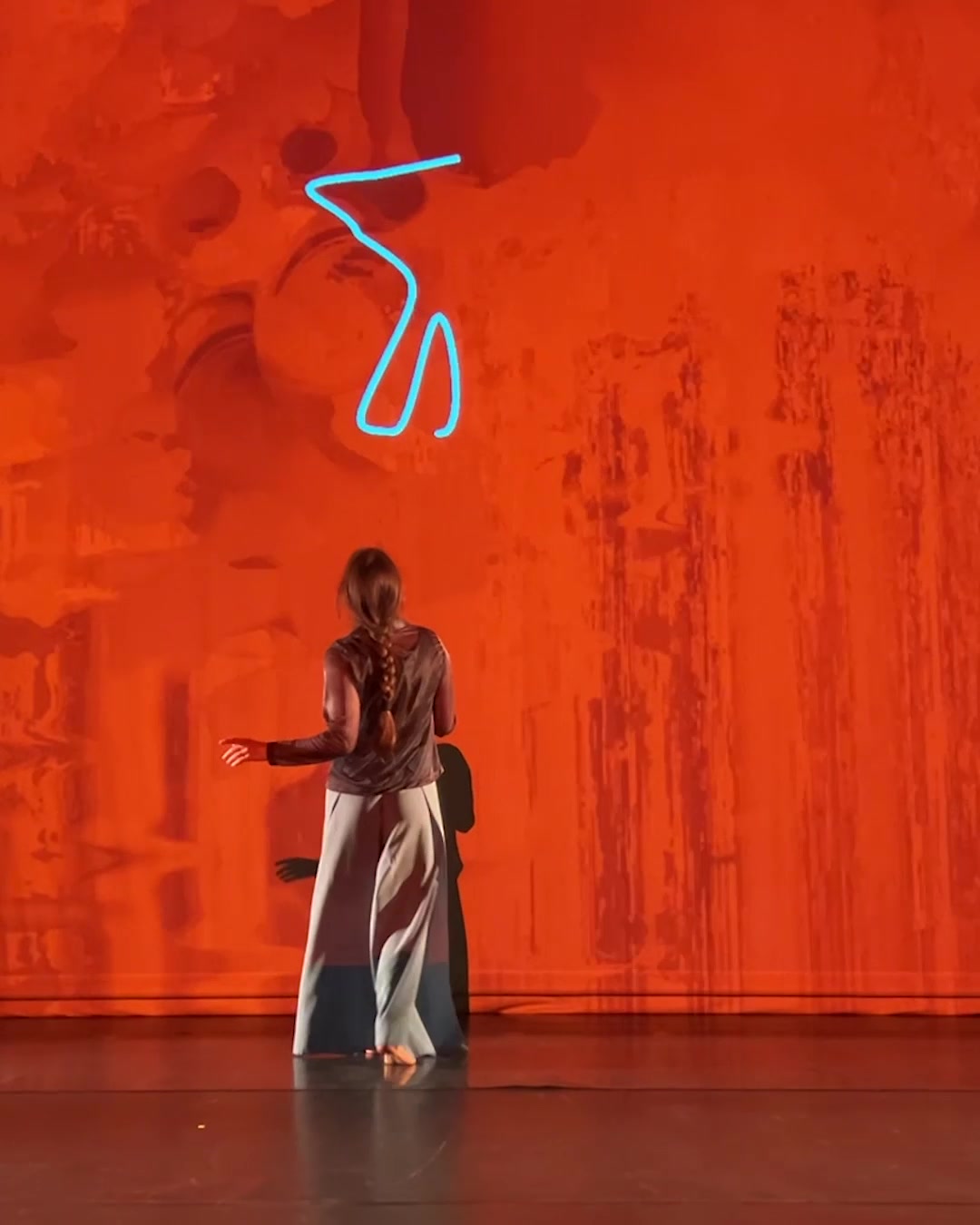
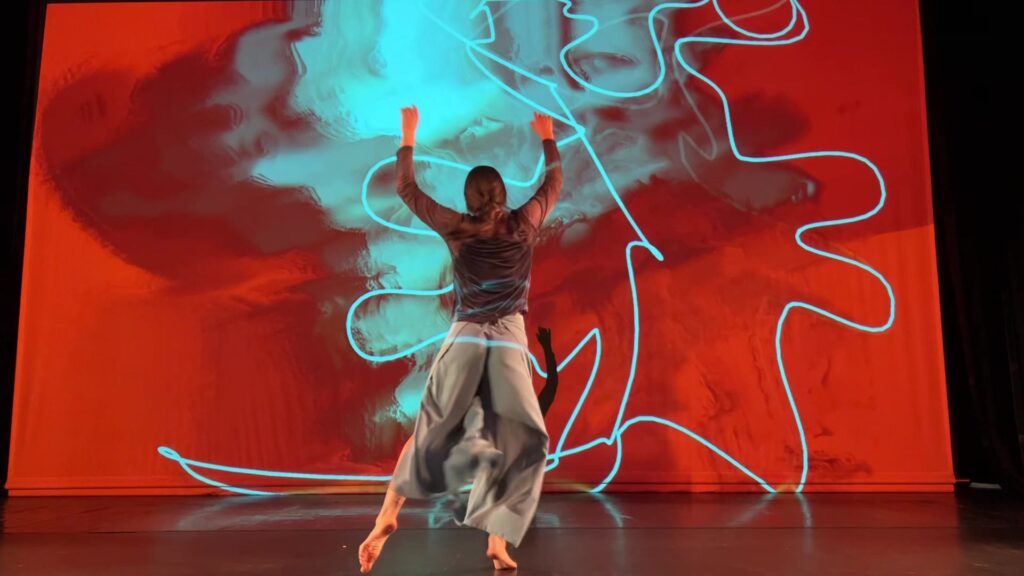
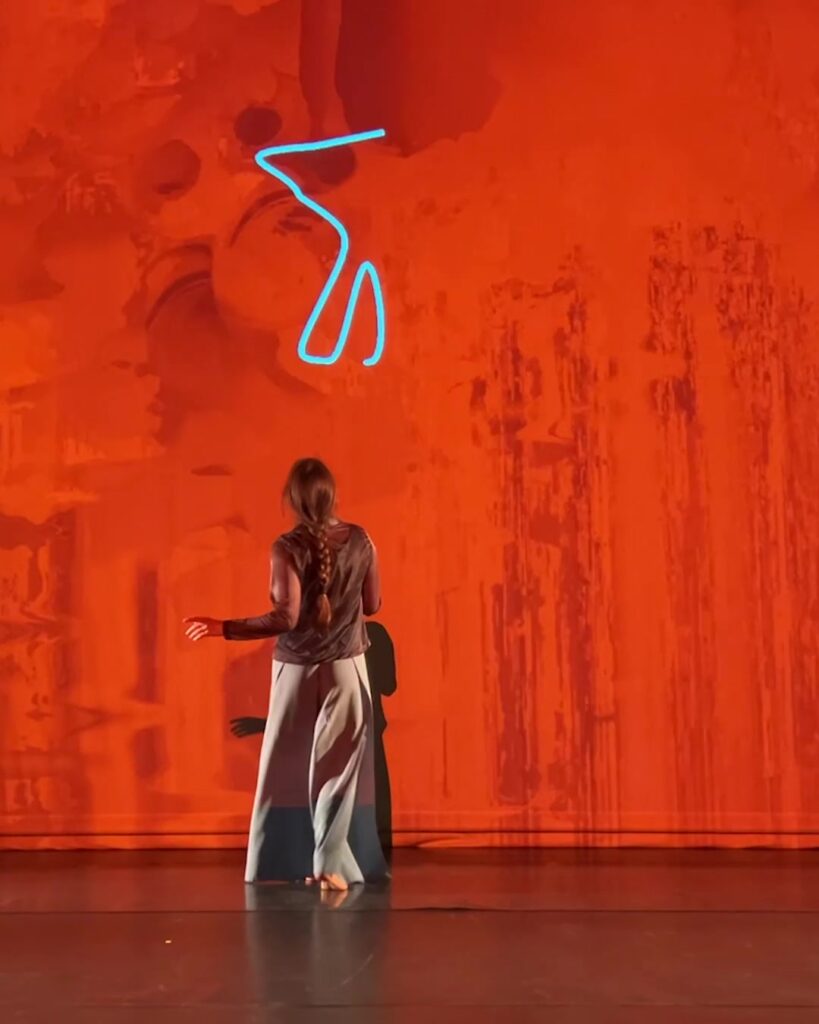
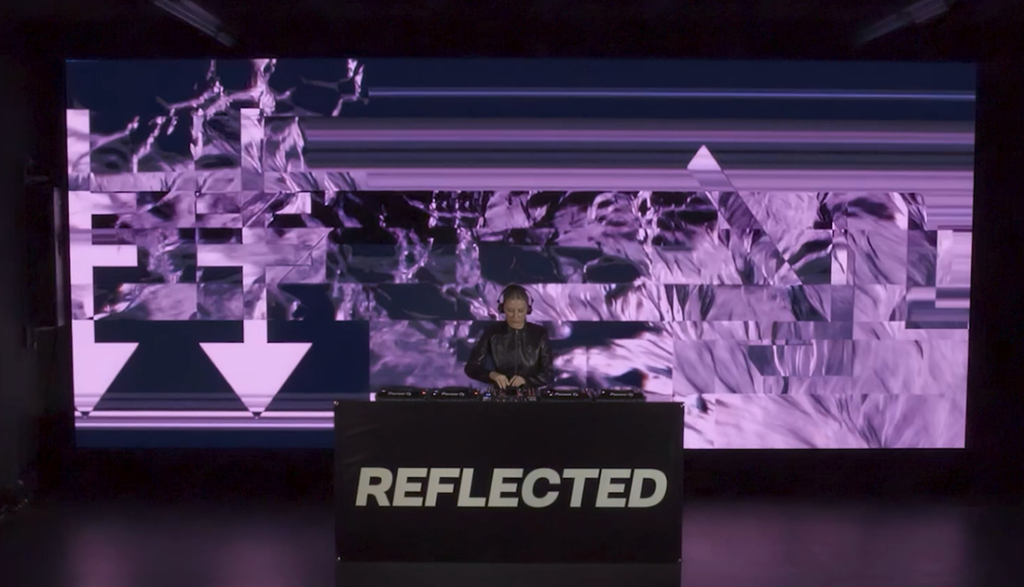
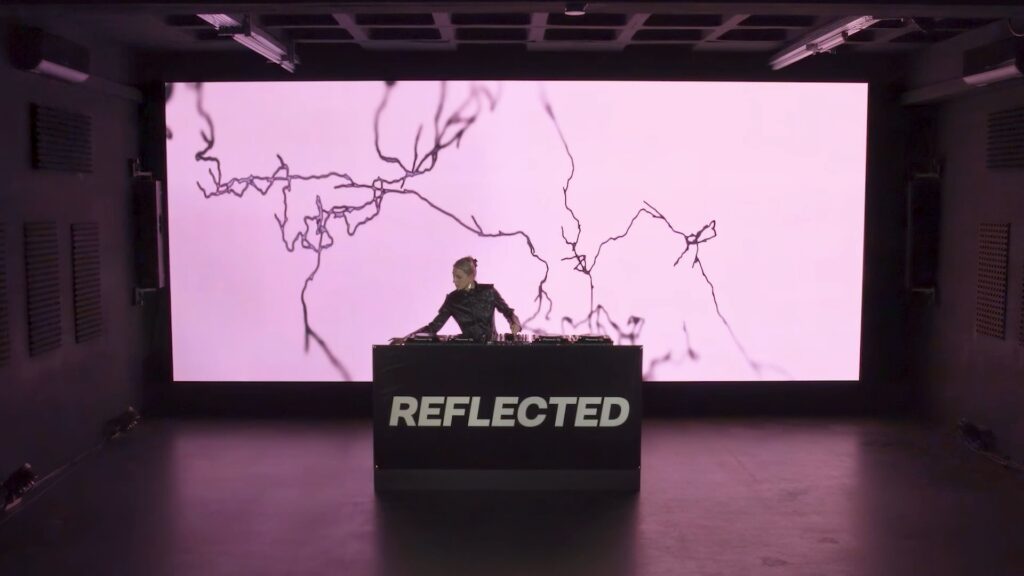
Two cameras track the dancer through optical flow. A TouchDesigner system translates movement into abstract projections: lines, flowing gradients, sudden fields of color. The setup forms a closed feedback loop. The dancer moves, the projection responds visibly, the dancer reacts to the response. The projection is not background. It is the material the performer works with in real time. This shifts what the system is asked to do. It does not interpret movement or render it accurately. It produces visual events that are legible enough for the performer to pick up on and unpredictable enough to prompt the next movement.
The loop runs in both directions: unfamiliar movement shifts perception, and shifted perception invites unfamiliar movement. The same dynamic became visible in the audience. The performance opened deliberately to participation, and visitors moved into it. Most of them started cautiously, then noticed the projection responding, and let that response carry them further than they would have moved on their own.