MORE D4T4

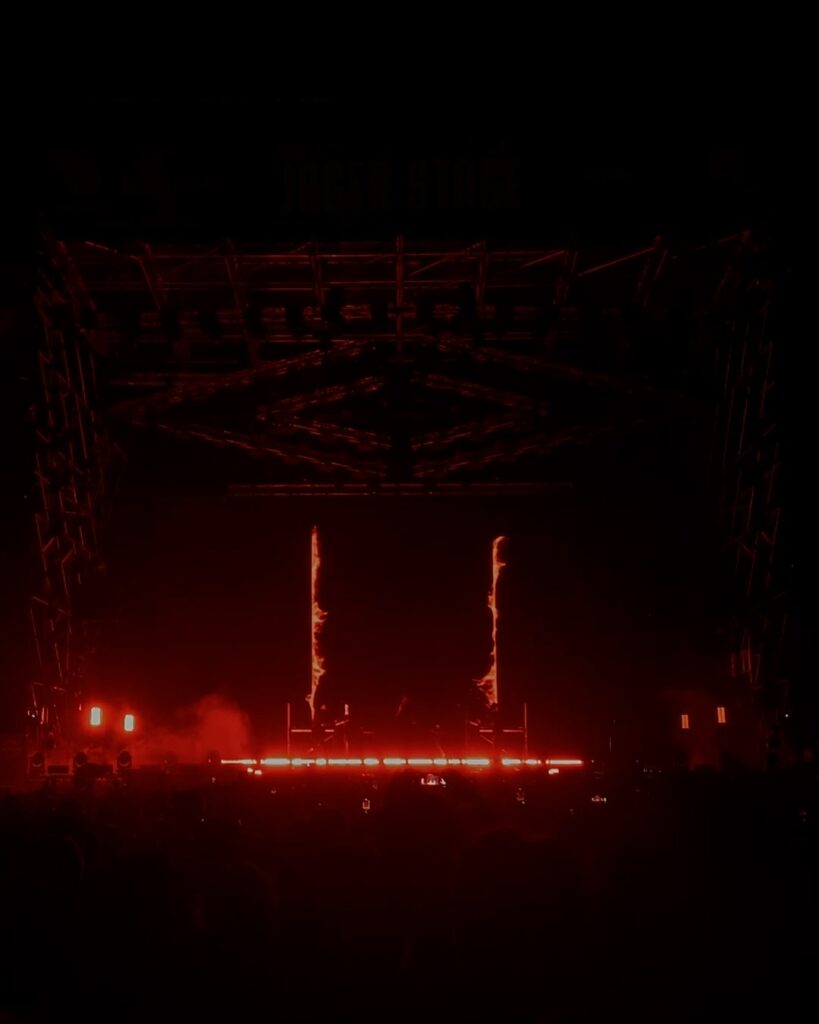
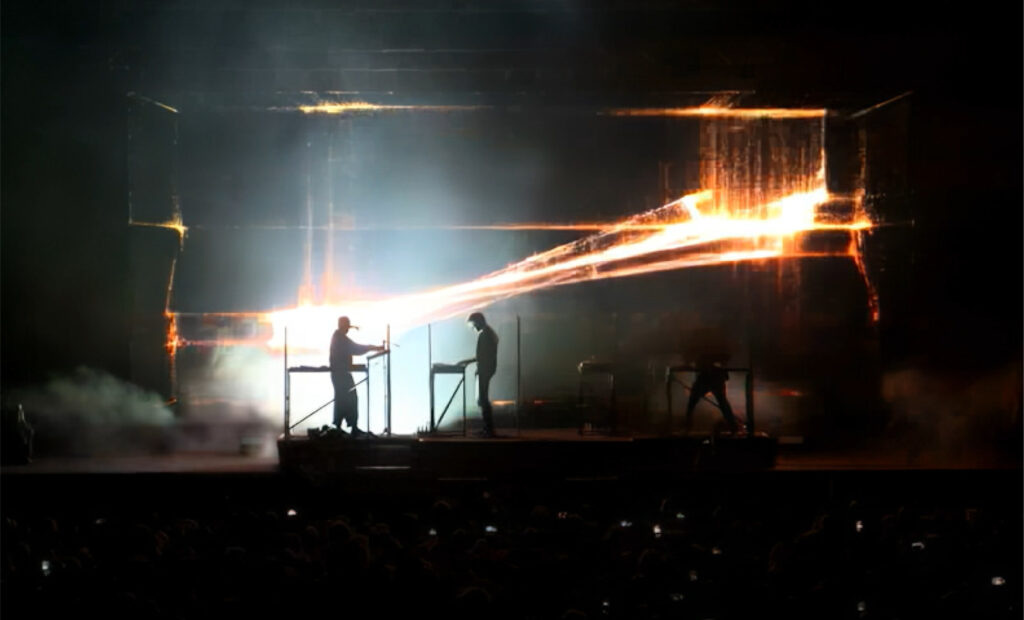
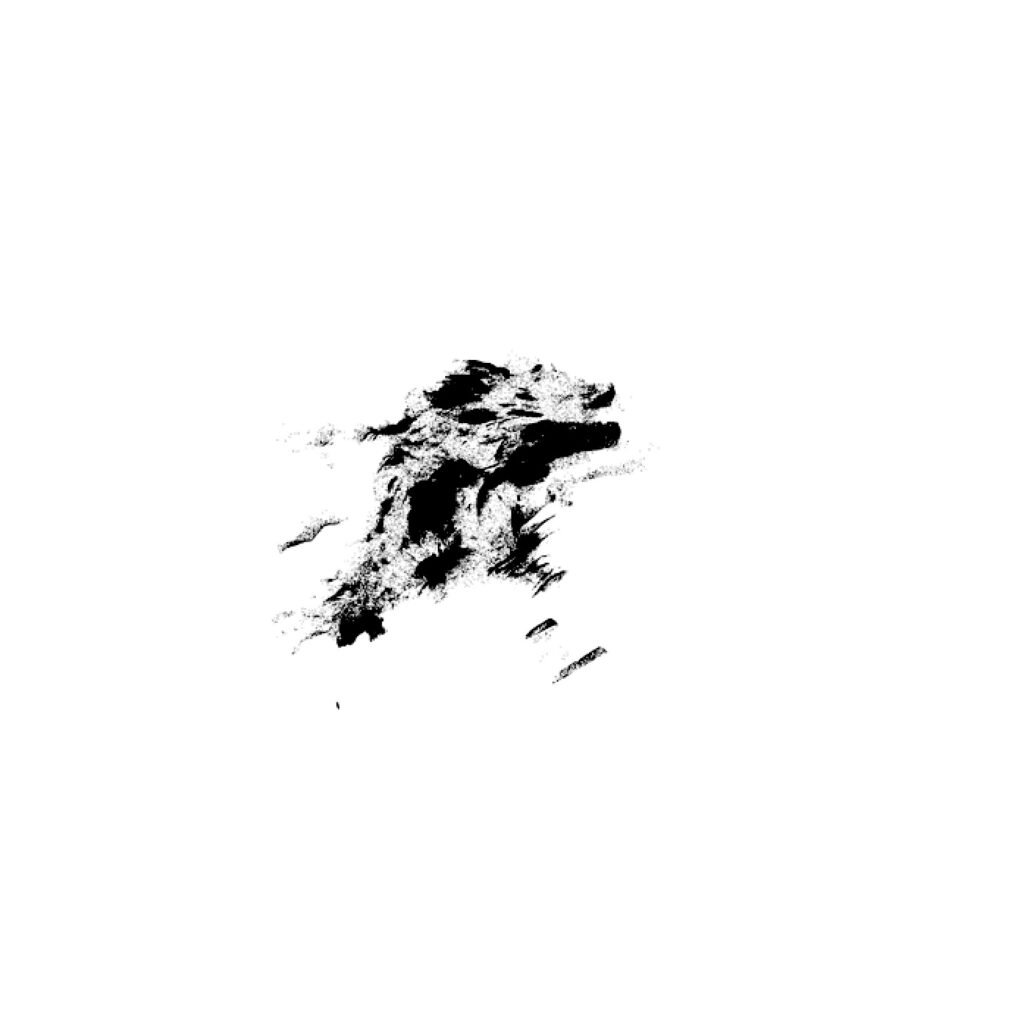
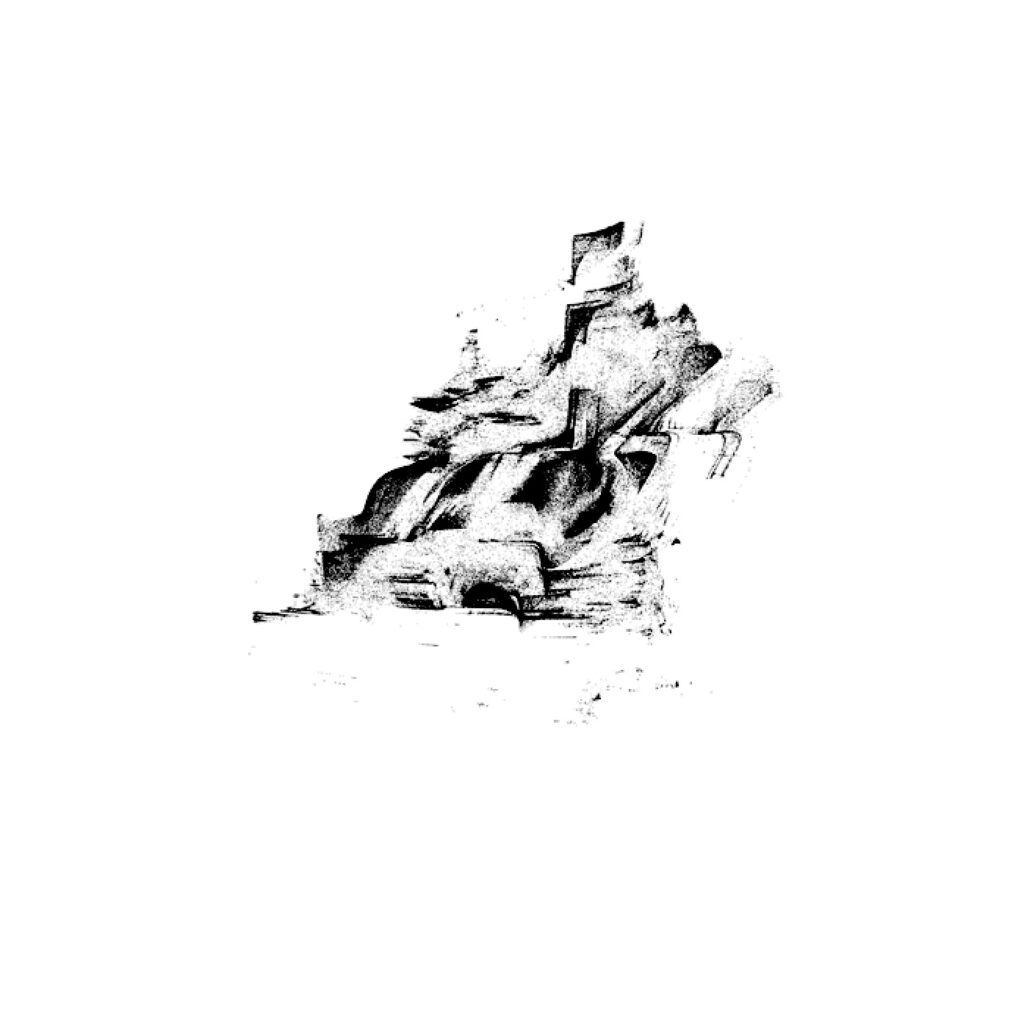
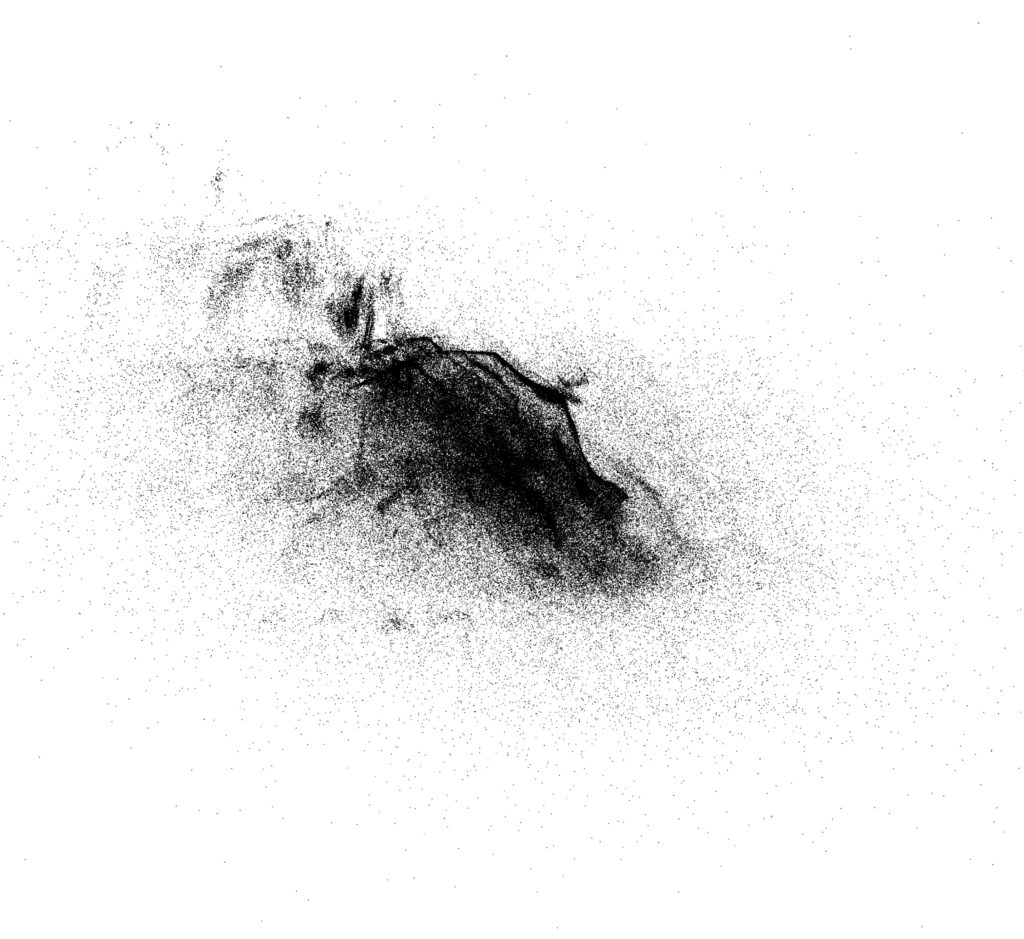
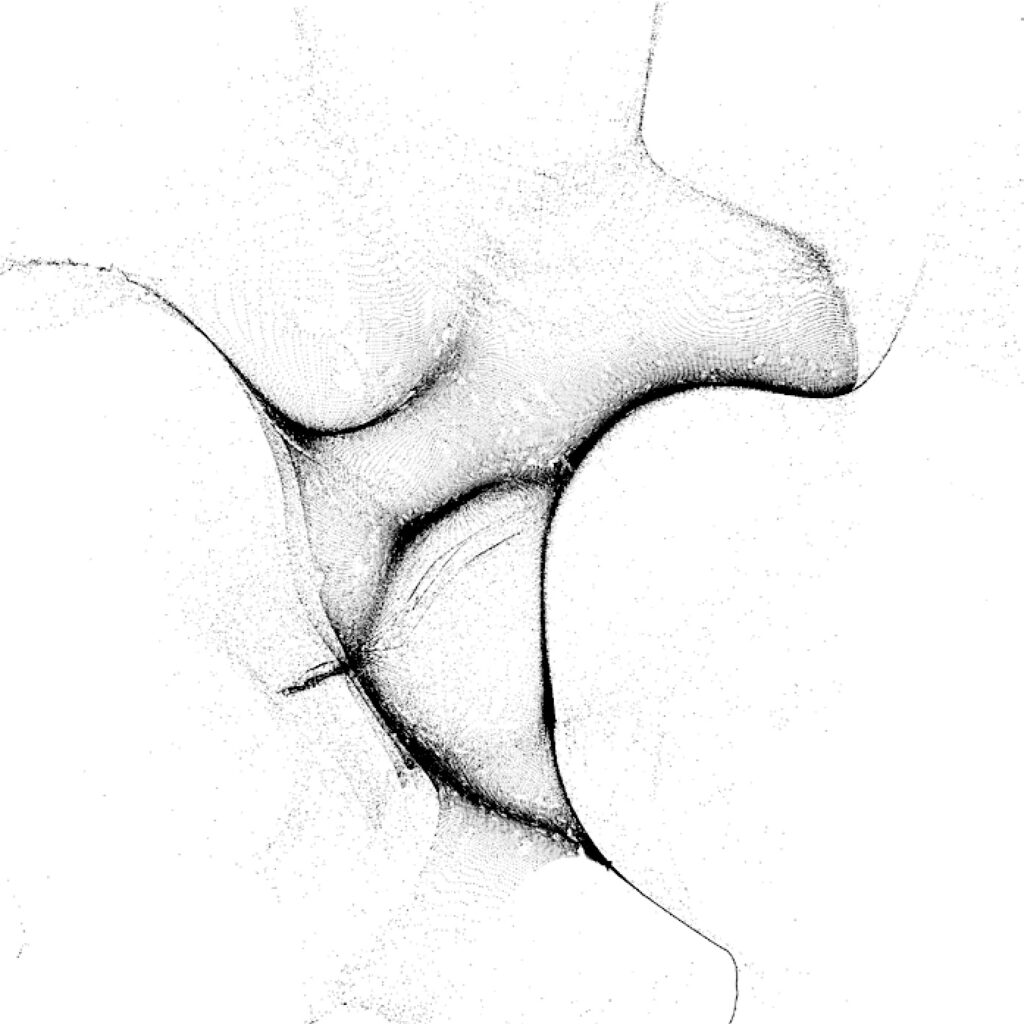
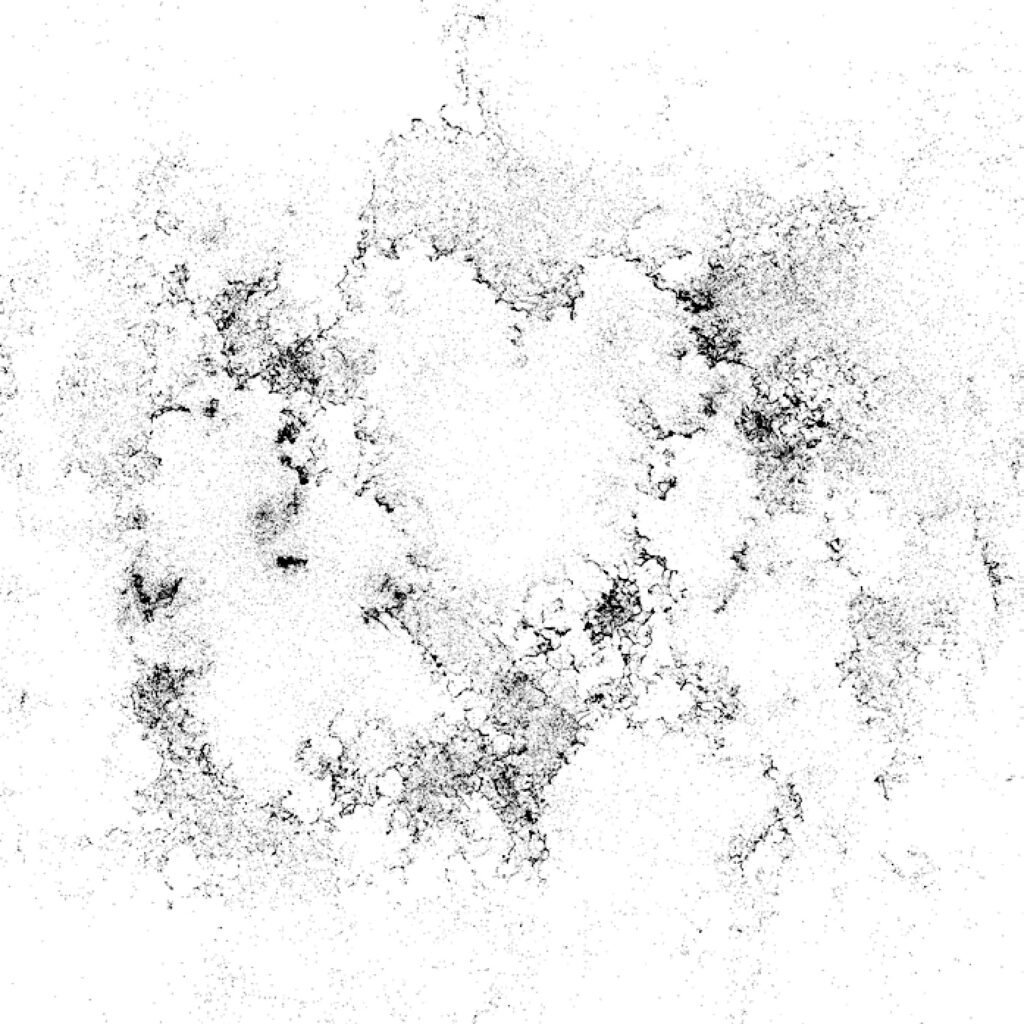
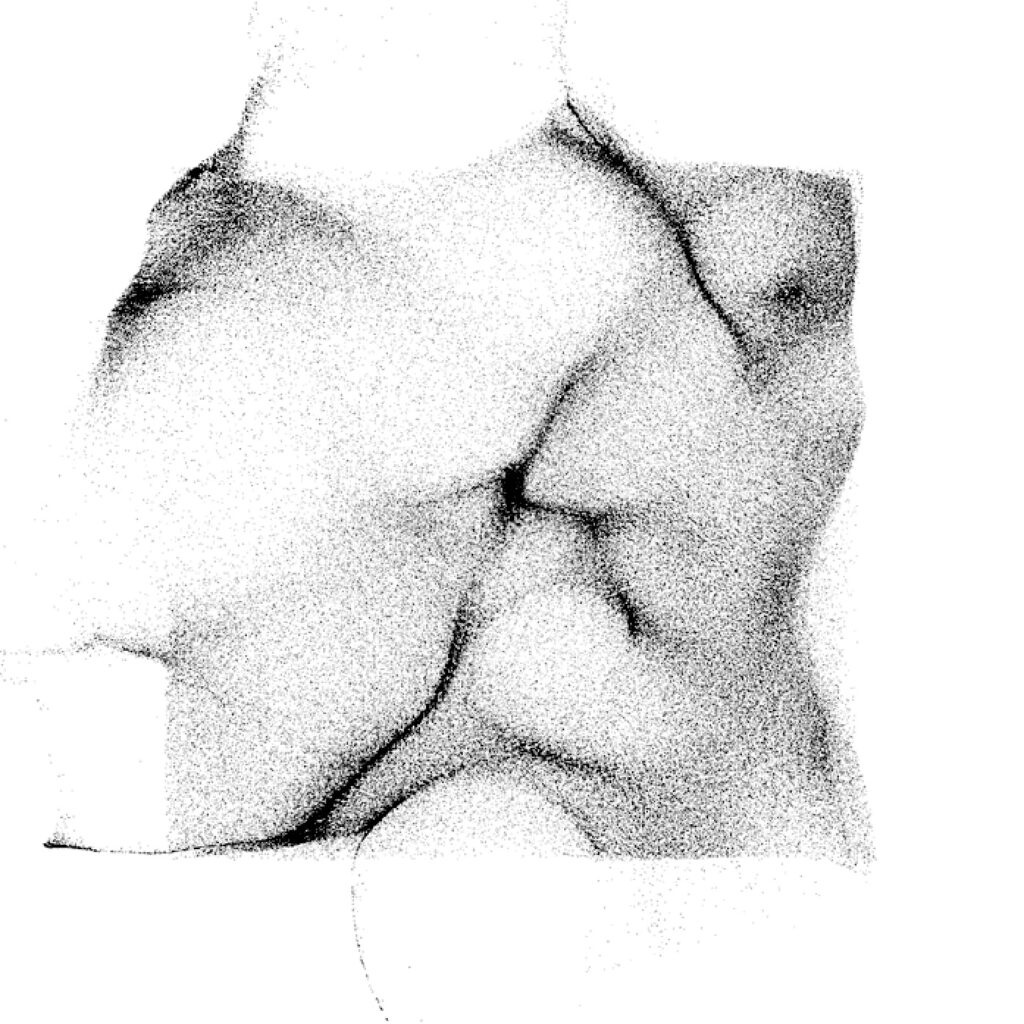
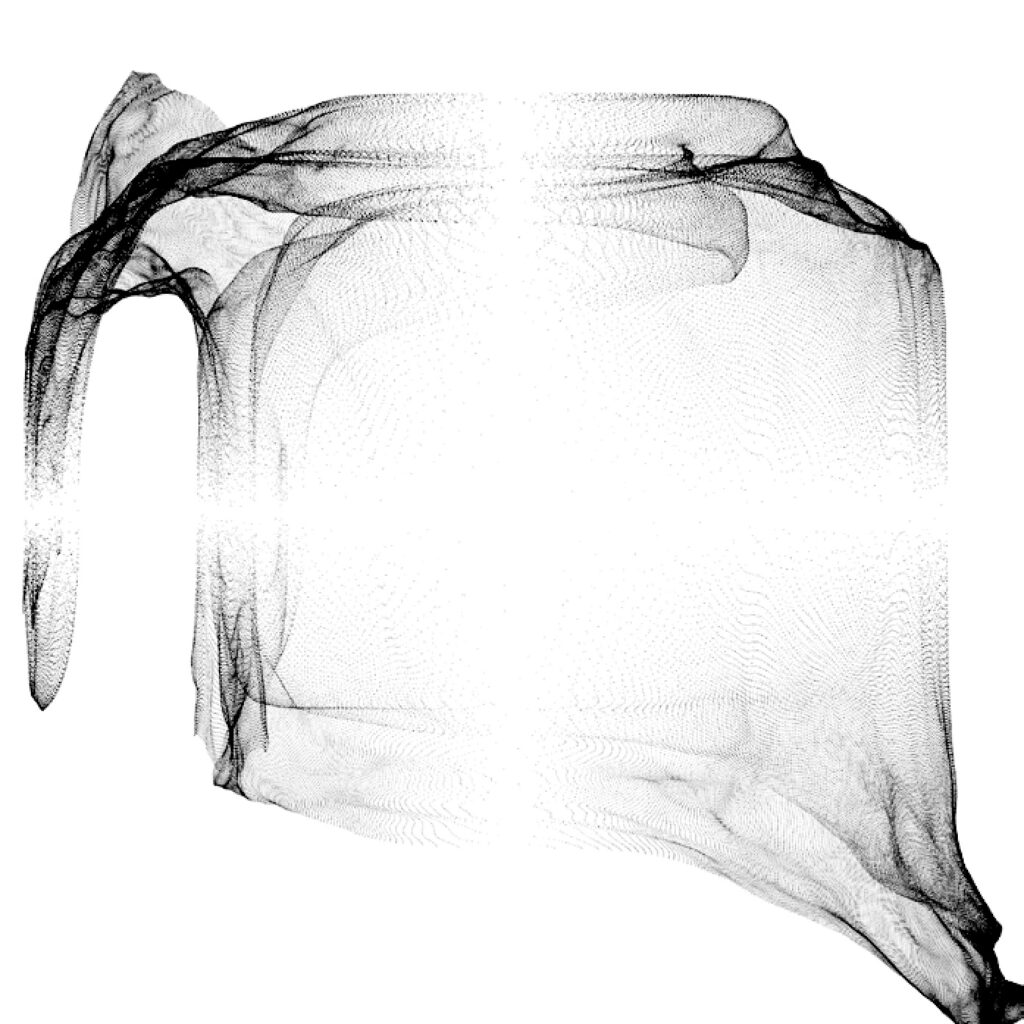
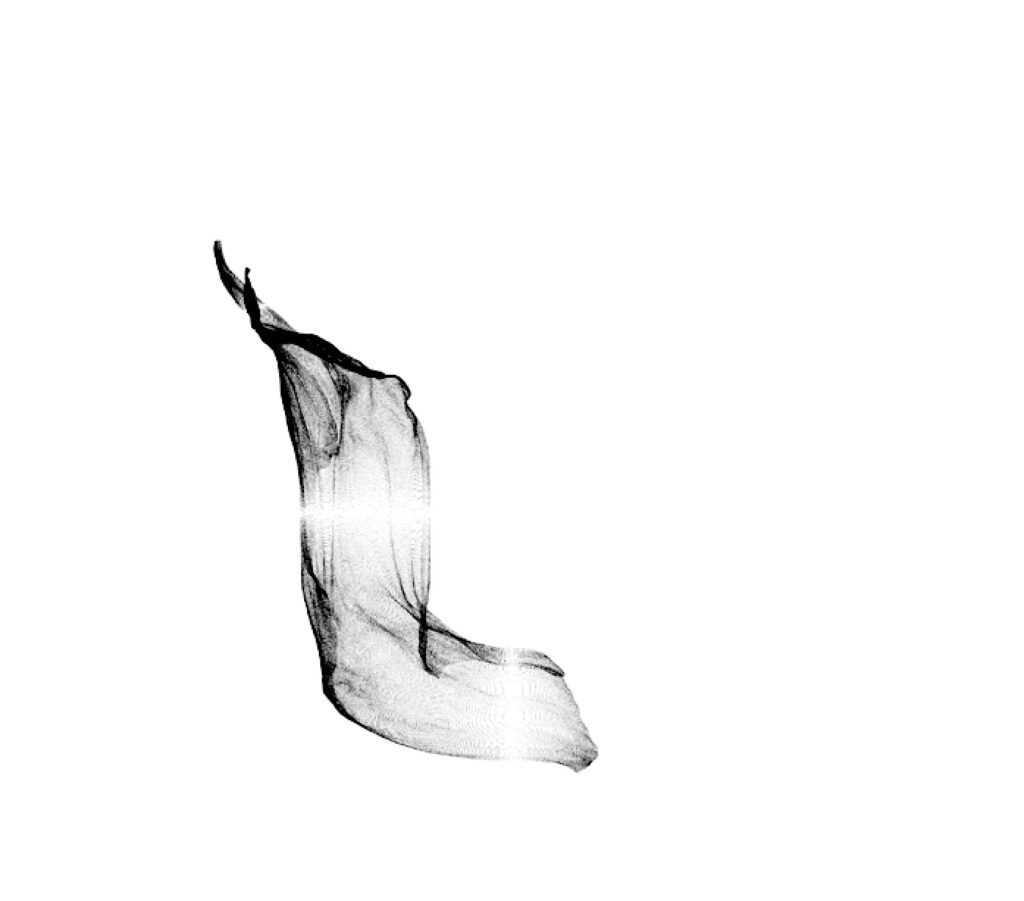
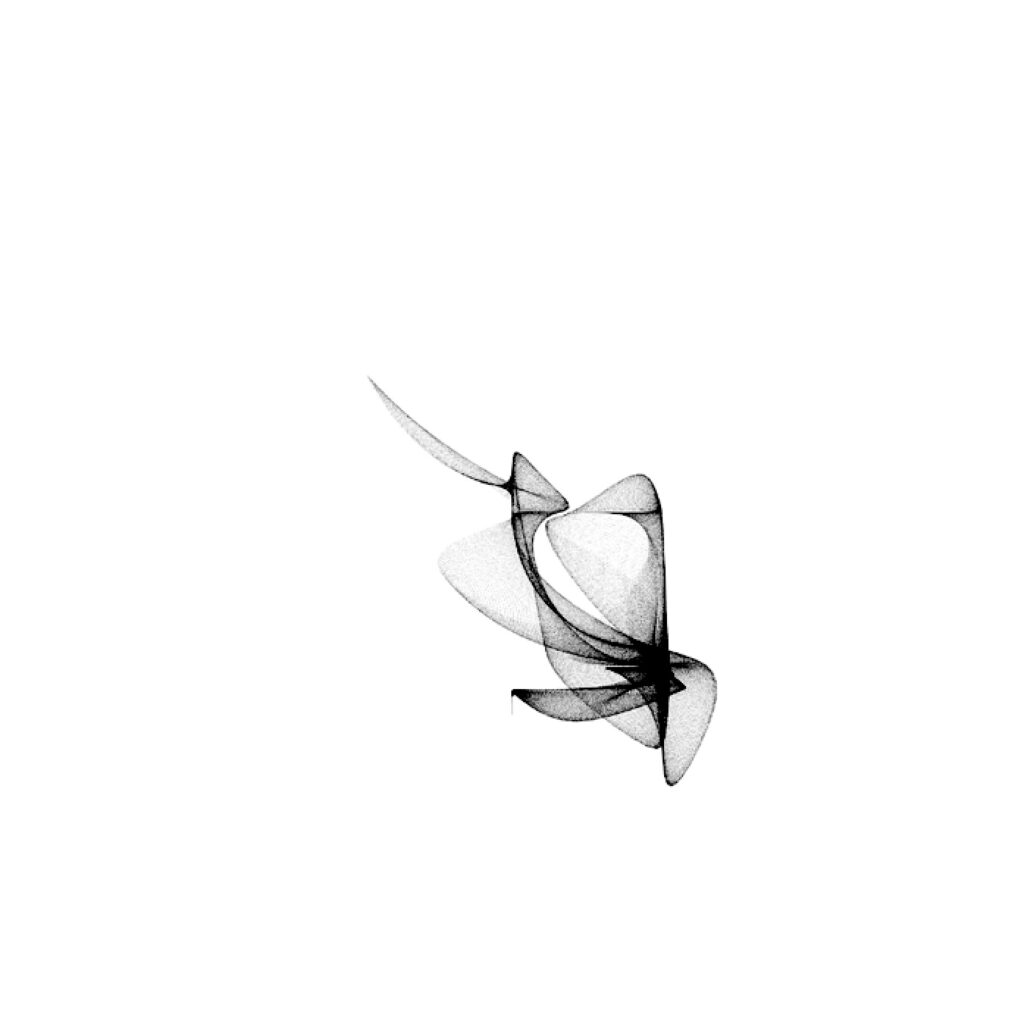
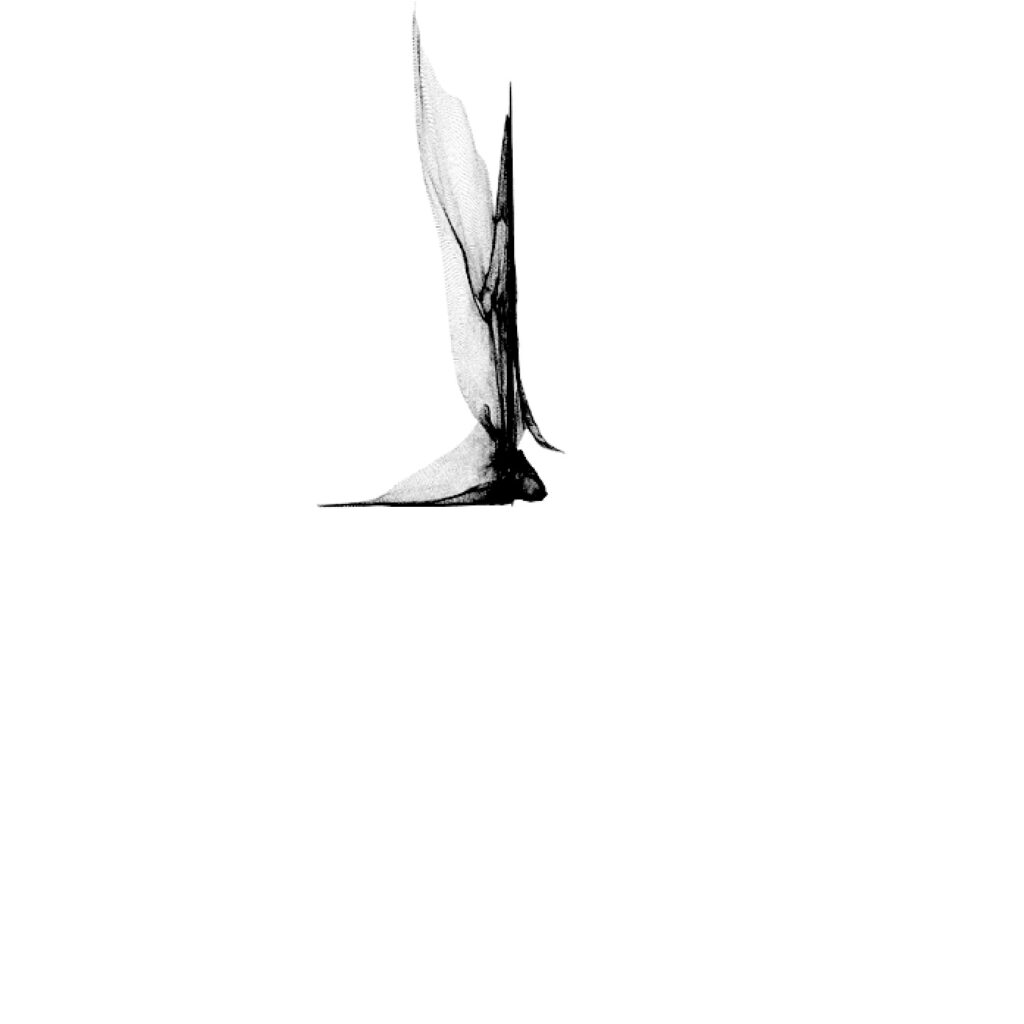
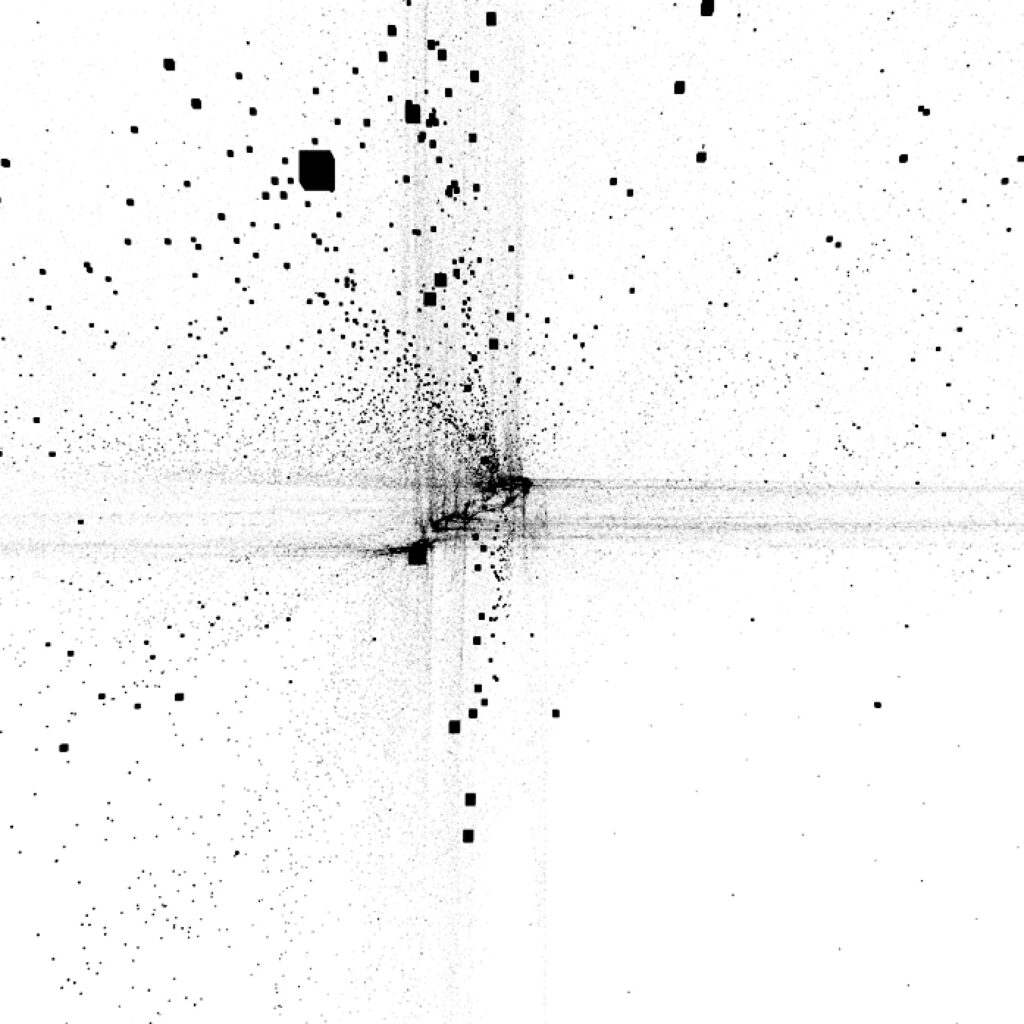
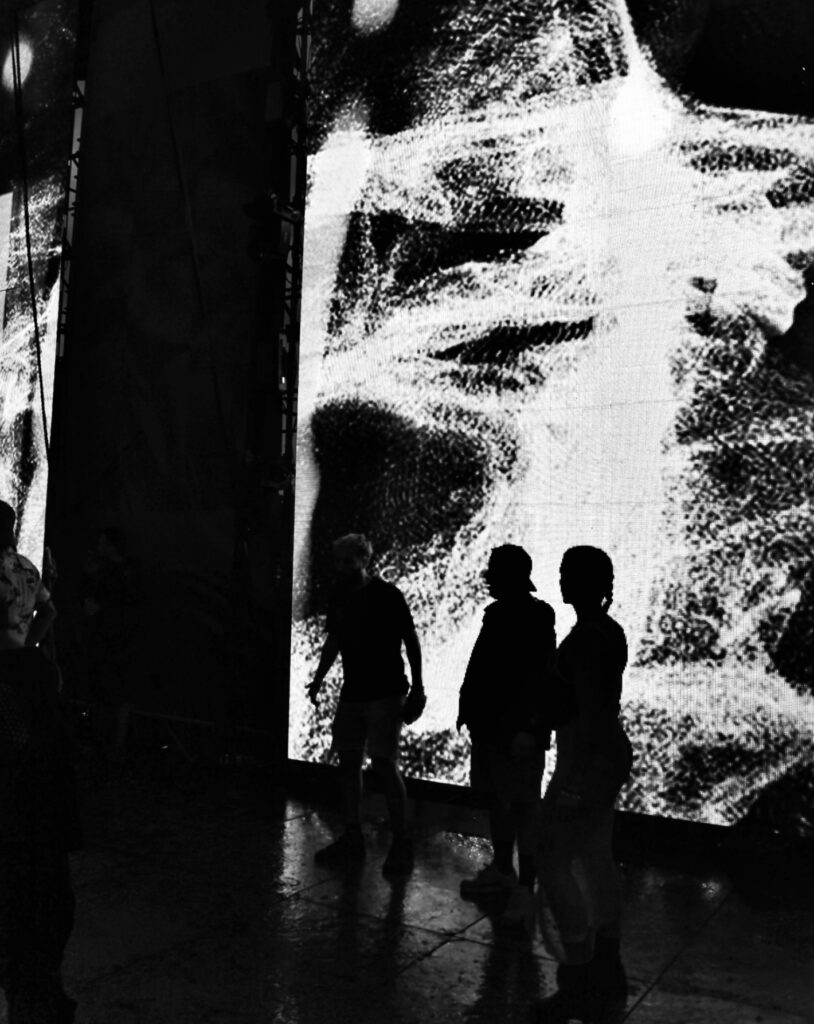
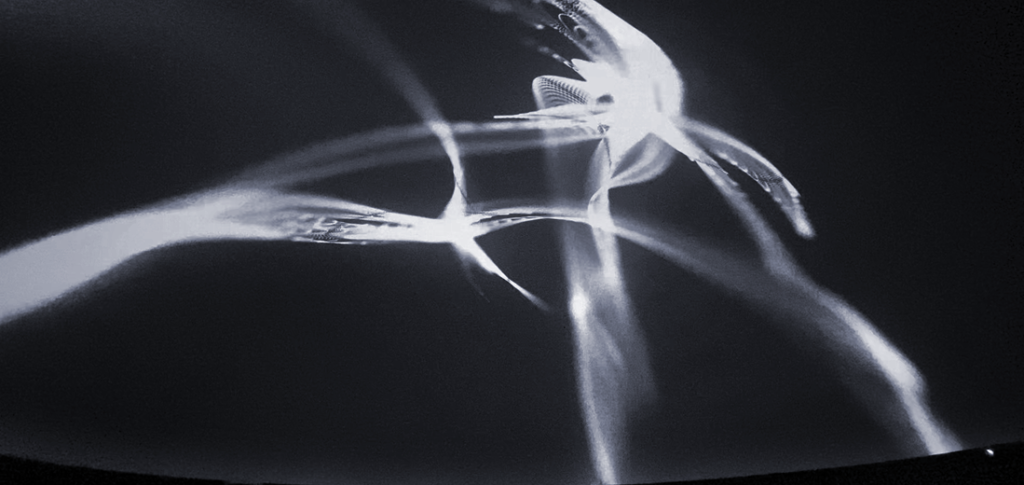
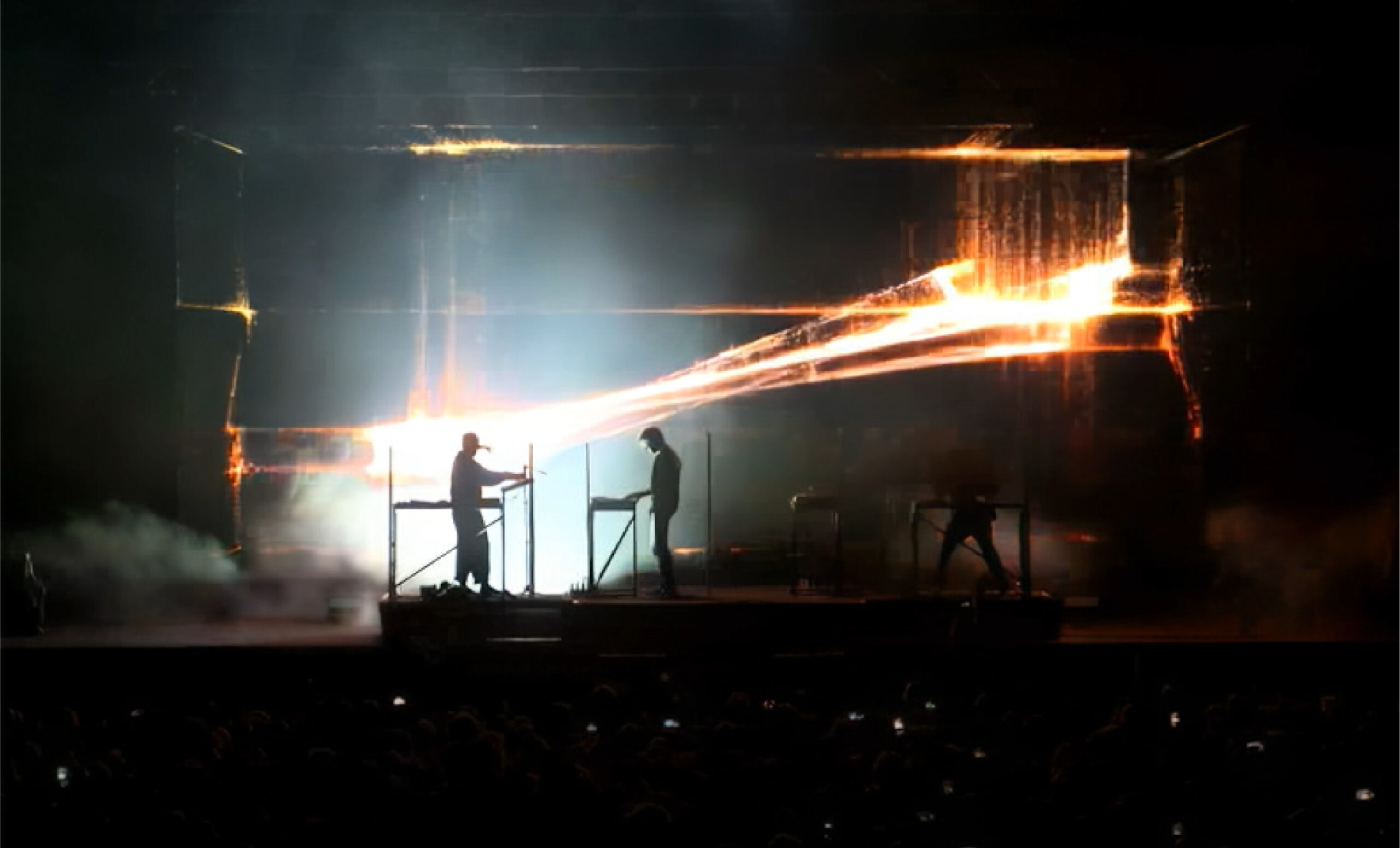
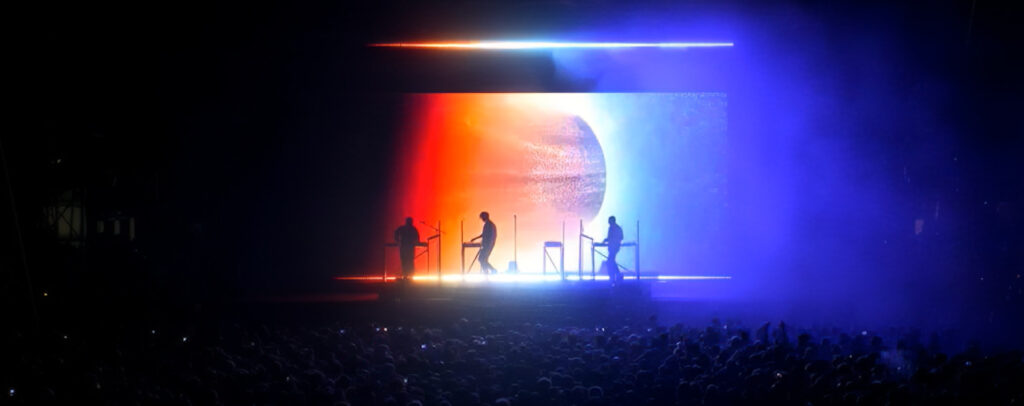
Particle systems and GLSL shaders developed in TouchDesigner for Moderat’s international More D4TA tour. Post-produced in After Effects and integrated into the touring system.

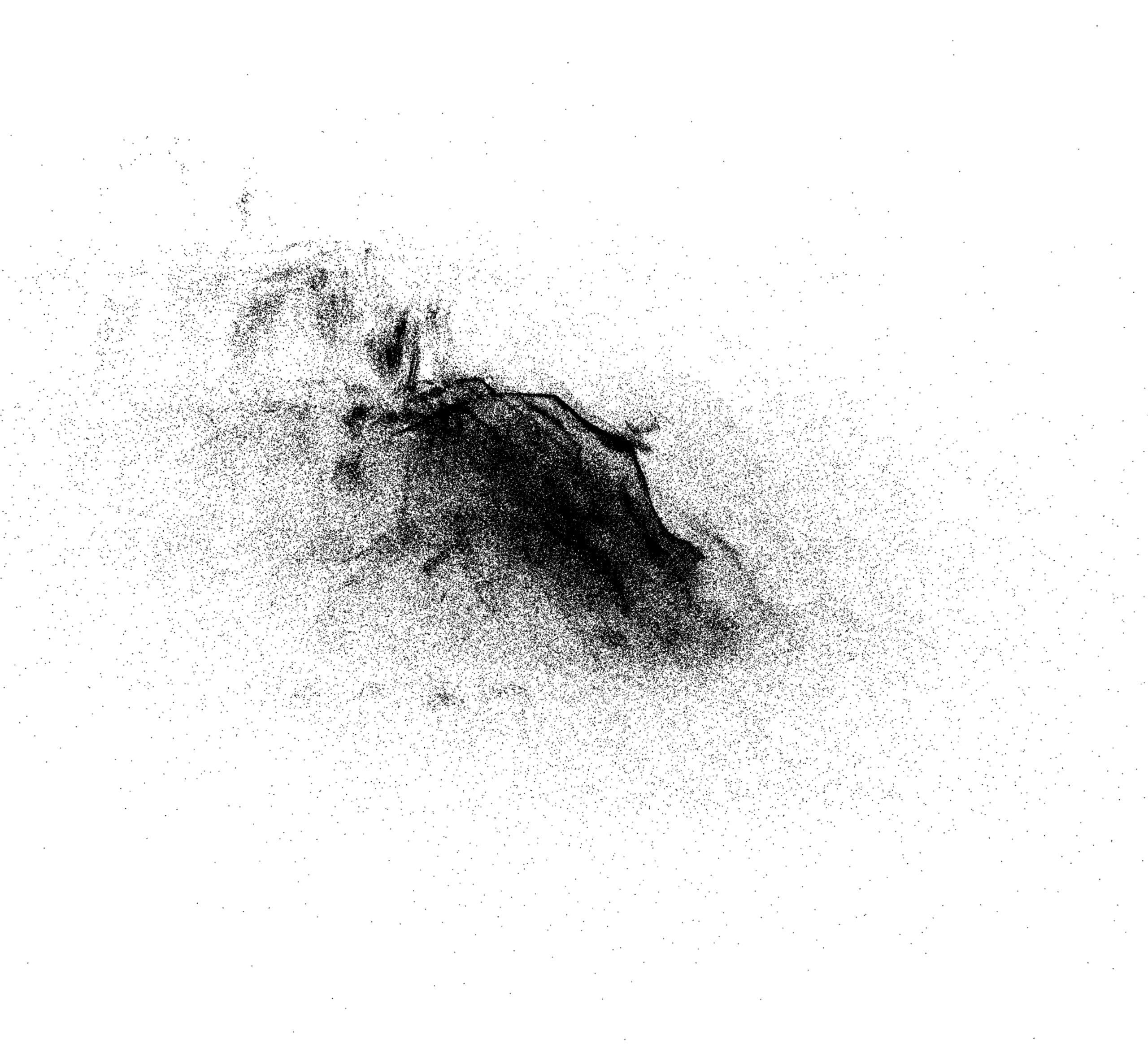
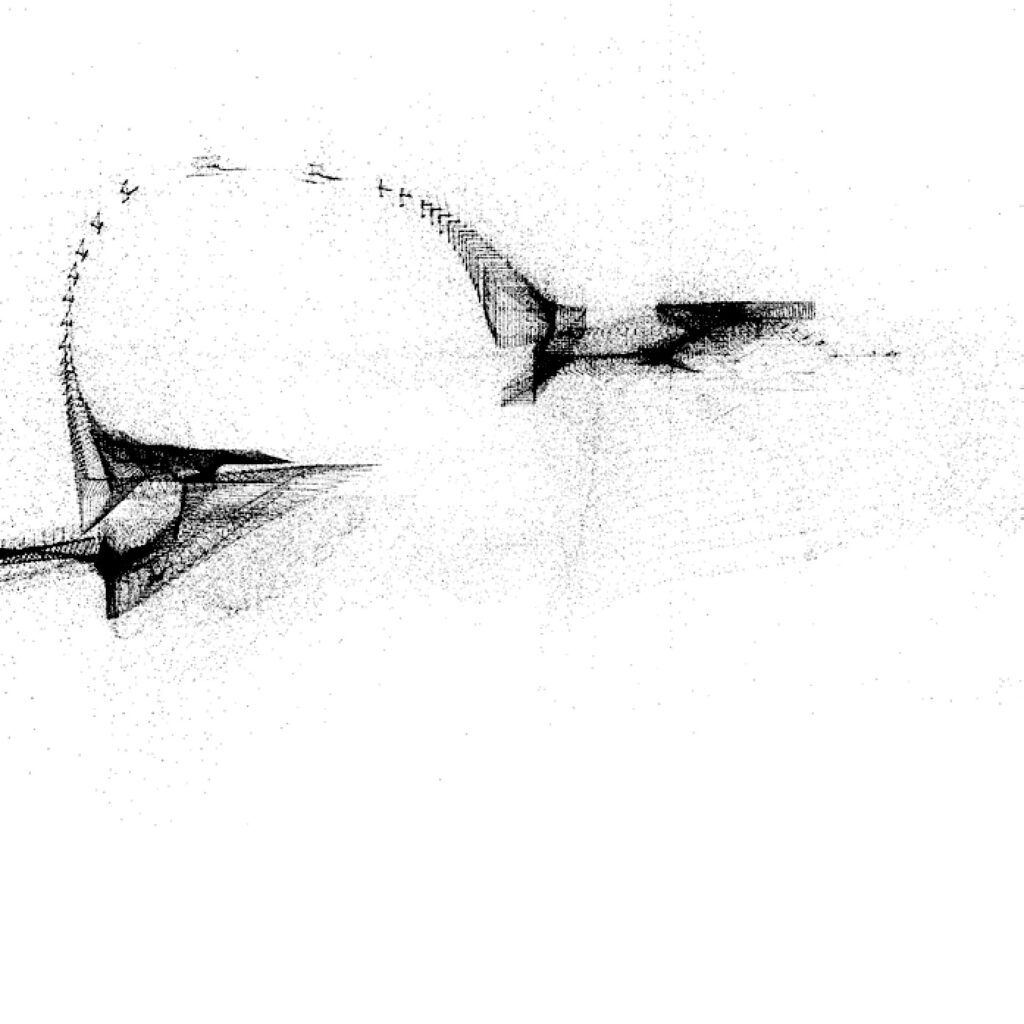
The visual idea was to blur the line between natural and digital. Particles in their simplest form, just points, arranged into patterns that behave like physical forces. gravity around cores, entropy, the quantisation of energy. Biological in feeling, computational in origin. A visual response to an album that puts hard technical sound up against the human factor.

What started with a single track expanded to cover most of the particle-based visuals across the show. Europe, USA, Canada, Mexico, Colombia, Australia.

Rauschen

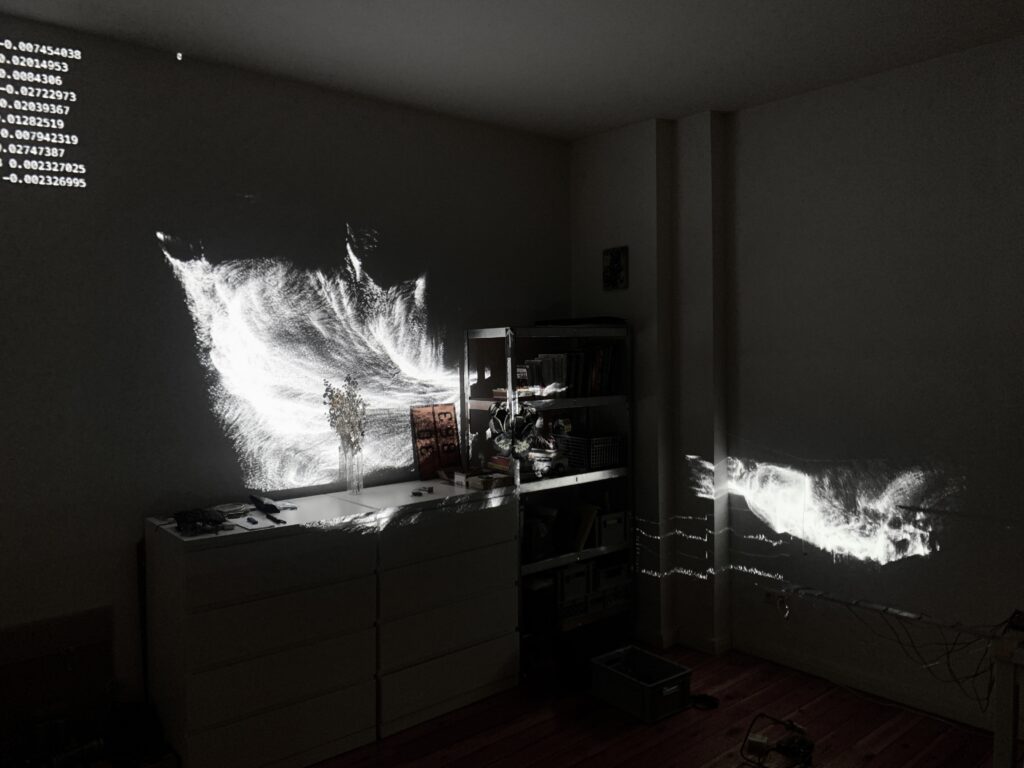
Digital systems tend toward exactness. Outputs are reproducible, and behavior is deterministic. Natural phenomena, however, operate in a different register: a cloud formation looks different each time you observe it, and sustains attention in a way that most screen content does not. Rauschen was built to examine what it takes for computer-generated forms to cross that threshold.

The written component of the thesis traced the history of noise functions in generative art, from Frieder Nake and Vera Molnár in the 1960s through Ken Perlin’s development of Perlin Noise in 1983, to its successive elaborations: Simplex, Cellular, Fractal Brownian Motion, and Flow Noise. Each stage shifted the statistical distribution of randomness and with it the perceptual character of the output. To understand these functions, I rebuilt each one from scratch during the research process, though the final installation uses established implementations.

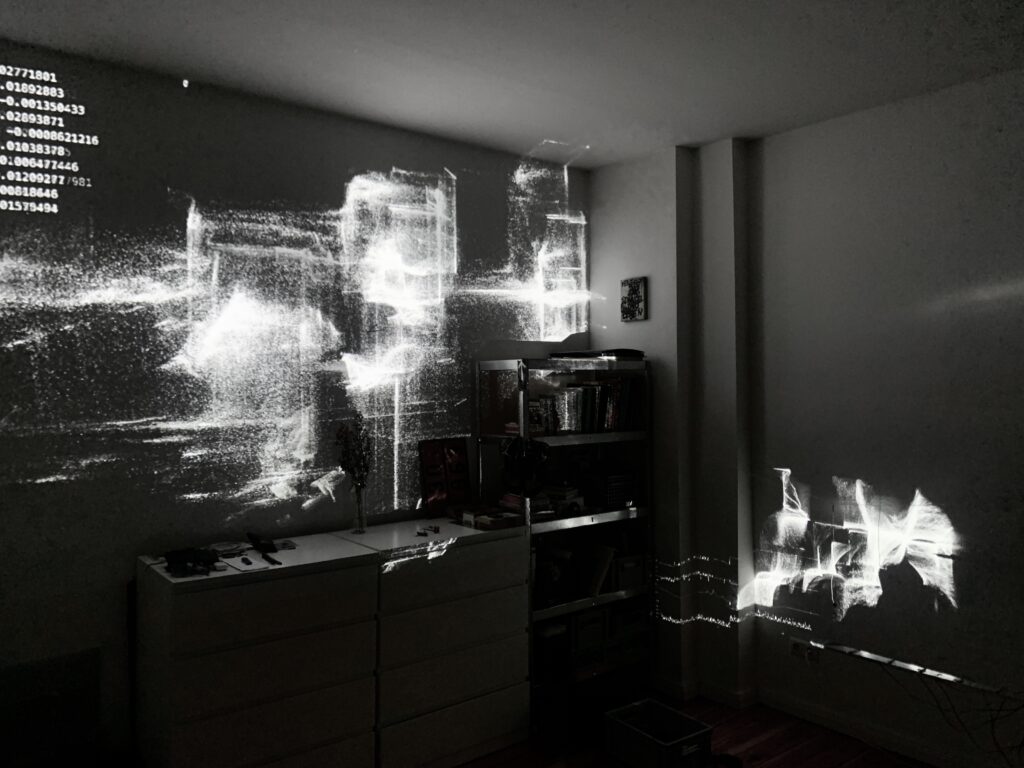
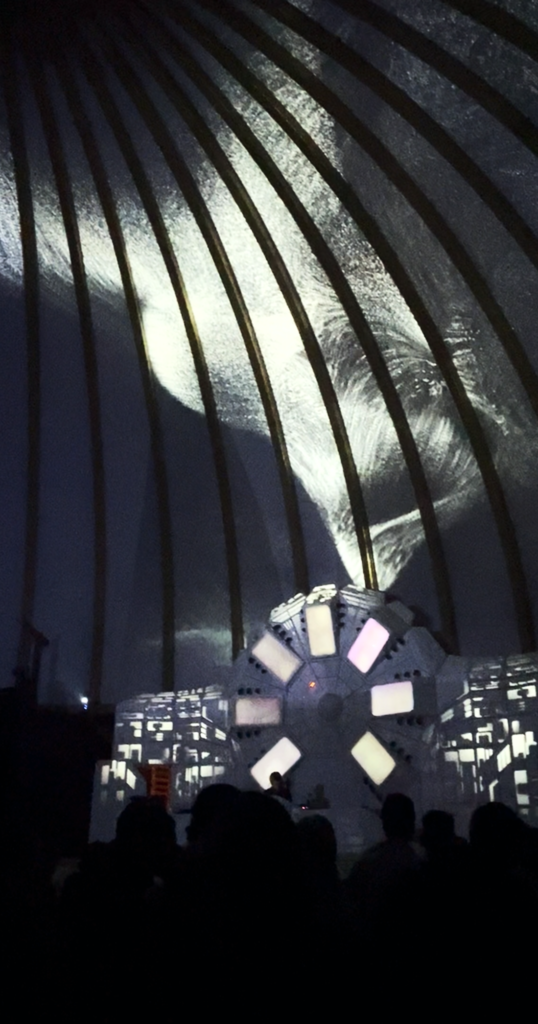
The corresponding installation extends this into physical space. Multiple microphones and light sensors, distributed throughout the room and connected via Raspberry Pi Picos over I2C, read the environment in real time. Their values drive a GPU-instanced particle system of approximately 3,5 million particles across a three-channel projection, rendered in black and white. The system responds to its surroundings. A visitor casting a shadow on a floor sensor shifts the field, but never deterministically. The same input produces different results over time.

This opacity was deliberate. The piece behaves like an animal. It reacts to stimuli, but the causal logic stays hidden.
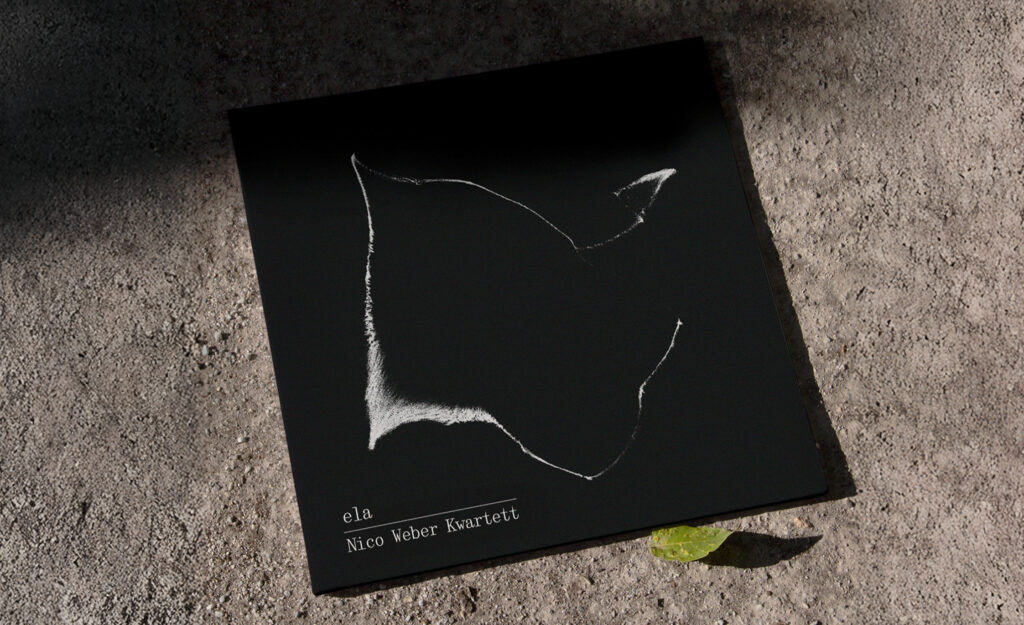
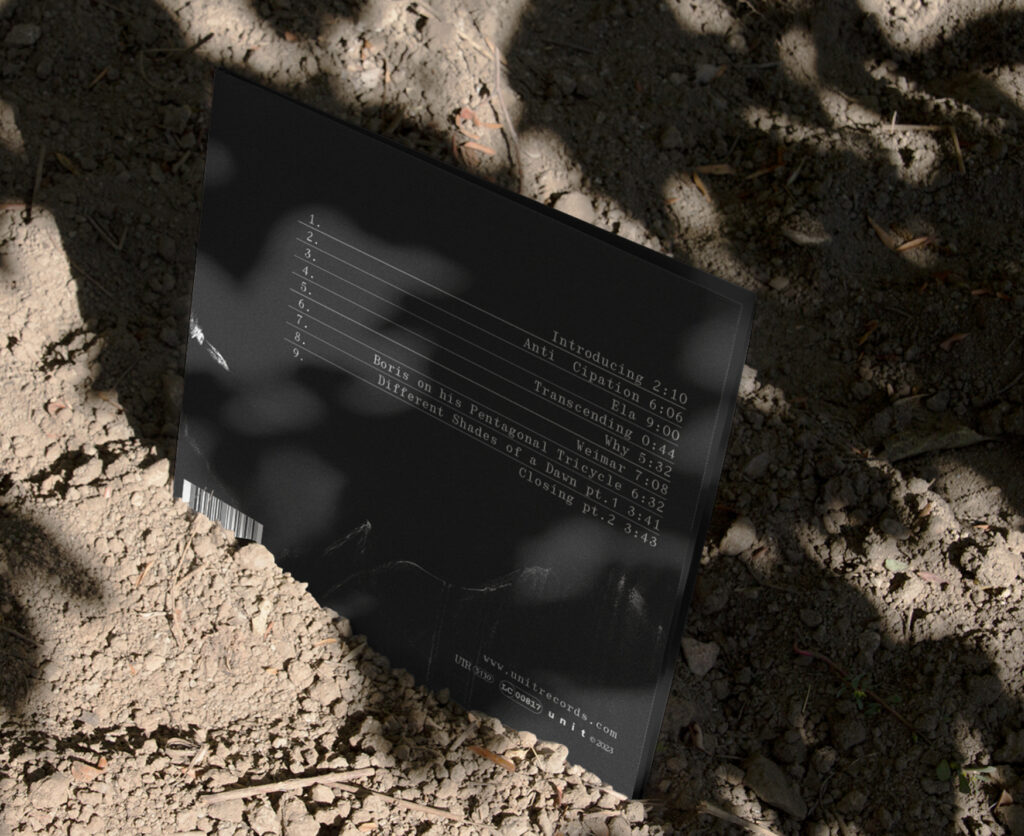
ela

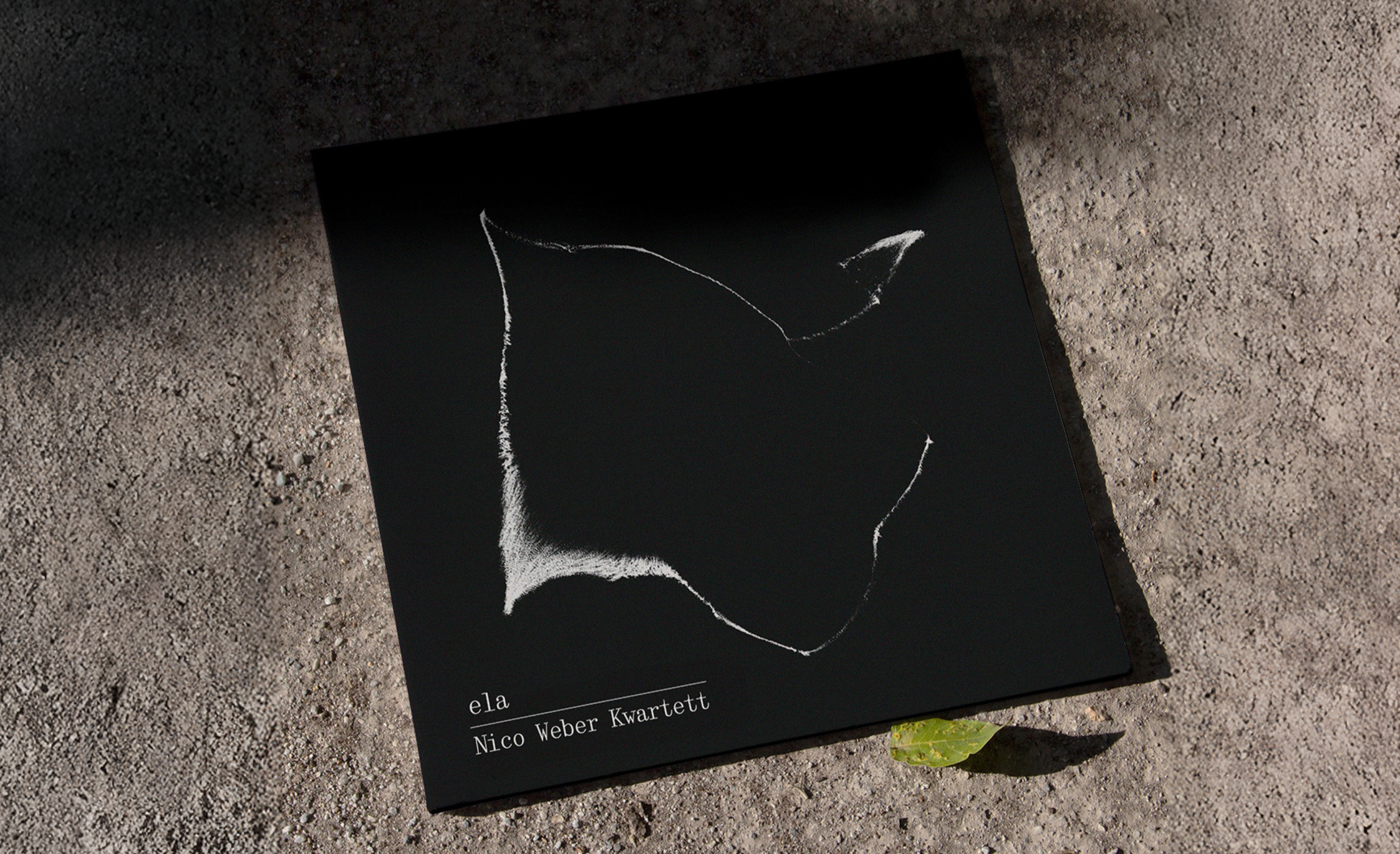
Nico Weber Kwartett’s debut, a young composer and his band, somewhere between minimal and bold, quiet in one moment and quite fearless in the next. The decision was to let the music design itself.

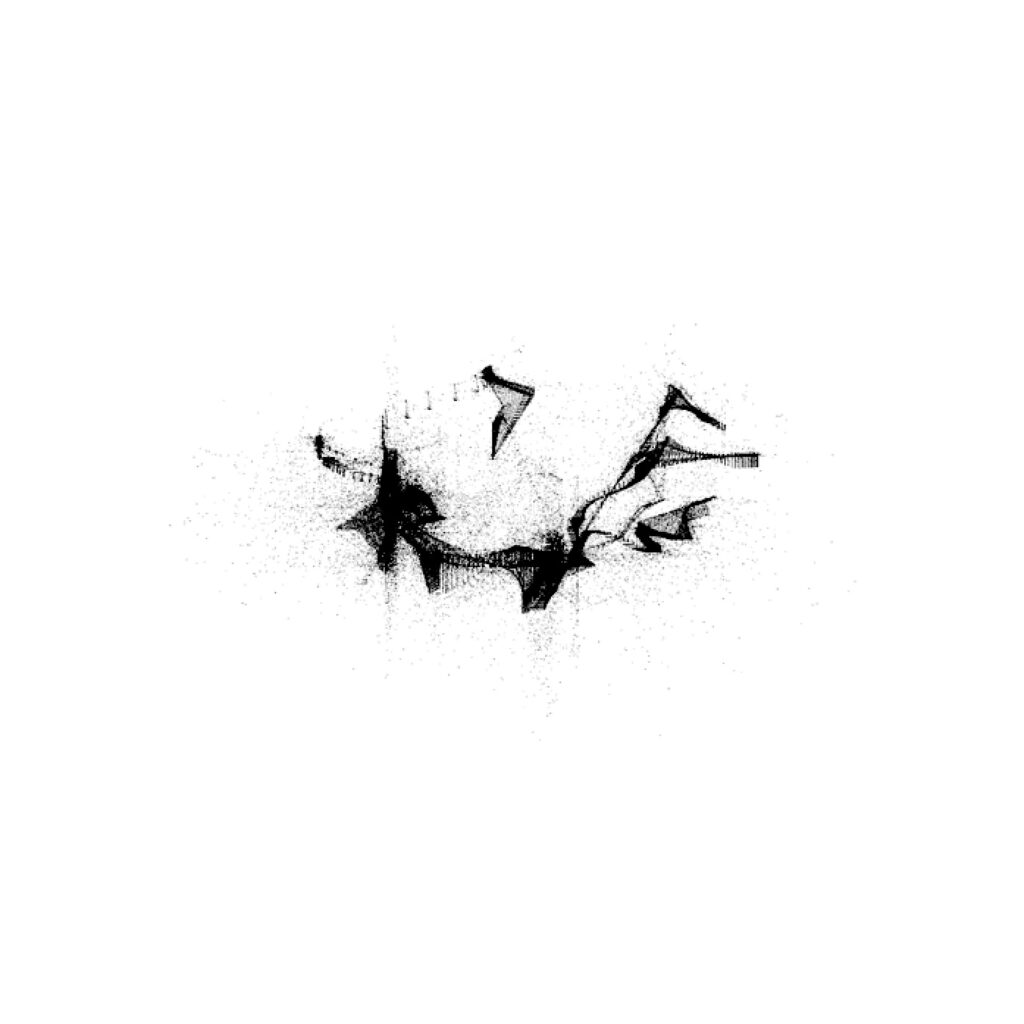
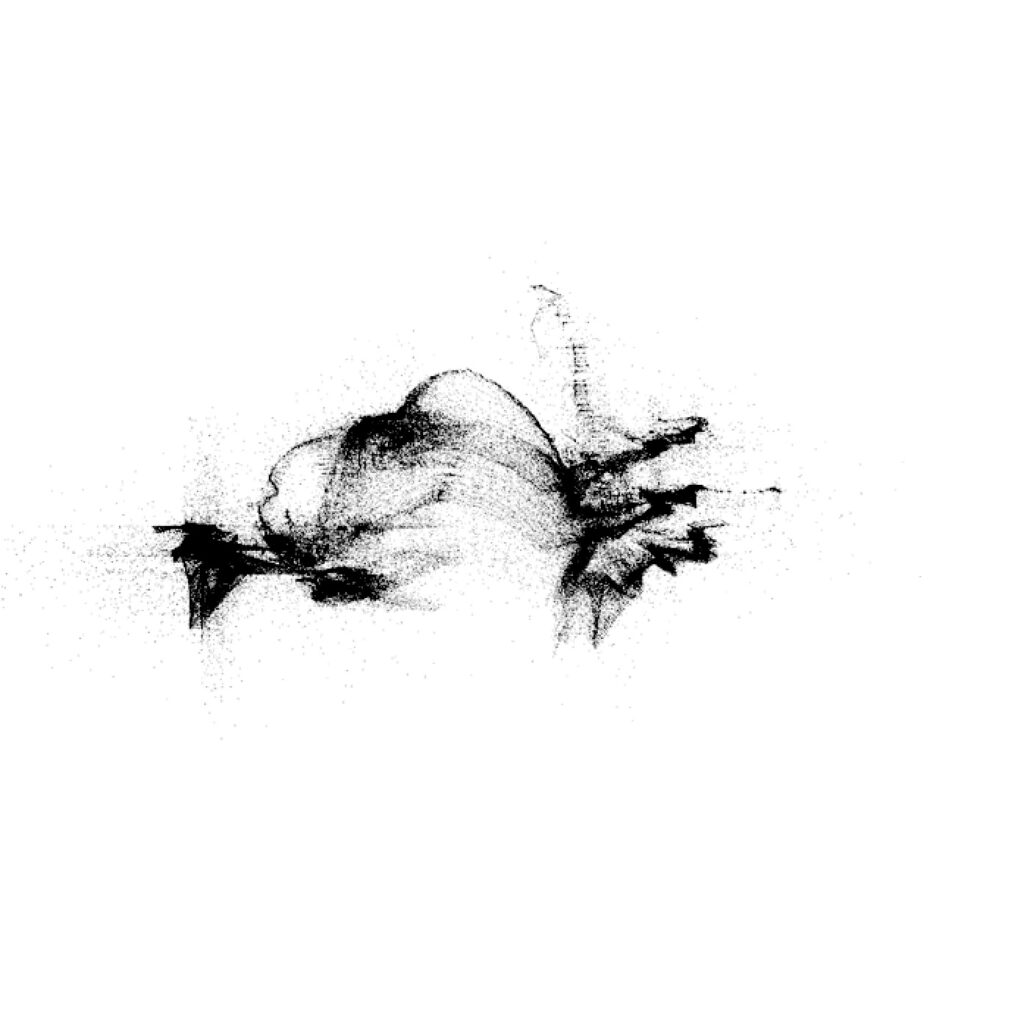
An audioreactive particle system in TouchDesigner responds to the album’s tracks, and the resulting images have an almost painterly quality despite being entirely computational. The approach to the typography follows the same logic: restrained, almost deliberately indifferent, which ends up giving the image more room.

Outer sleeve, inner spread, printed CD.

Decibel Open Air

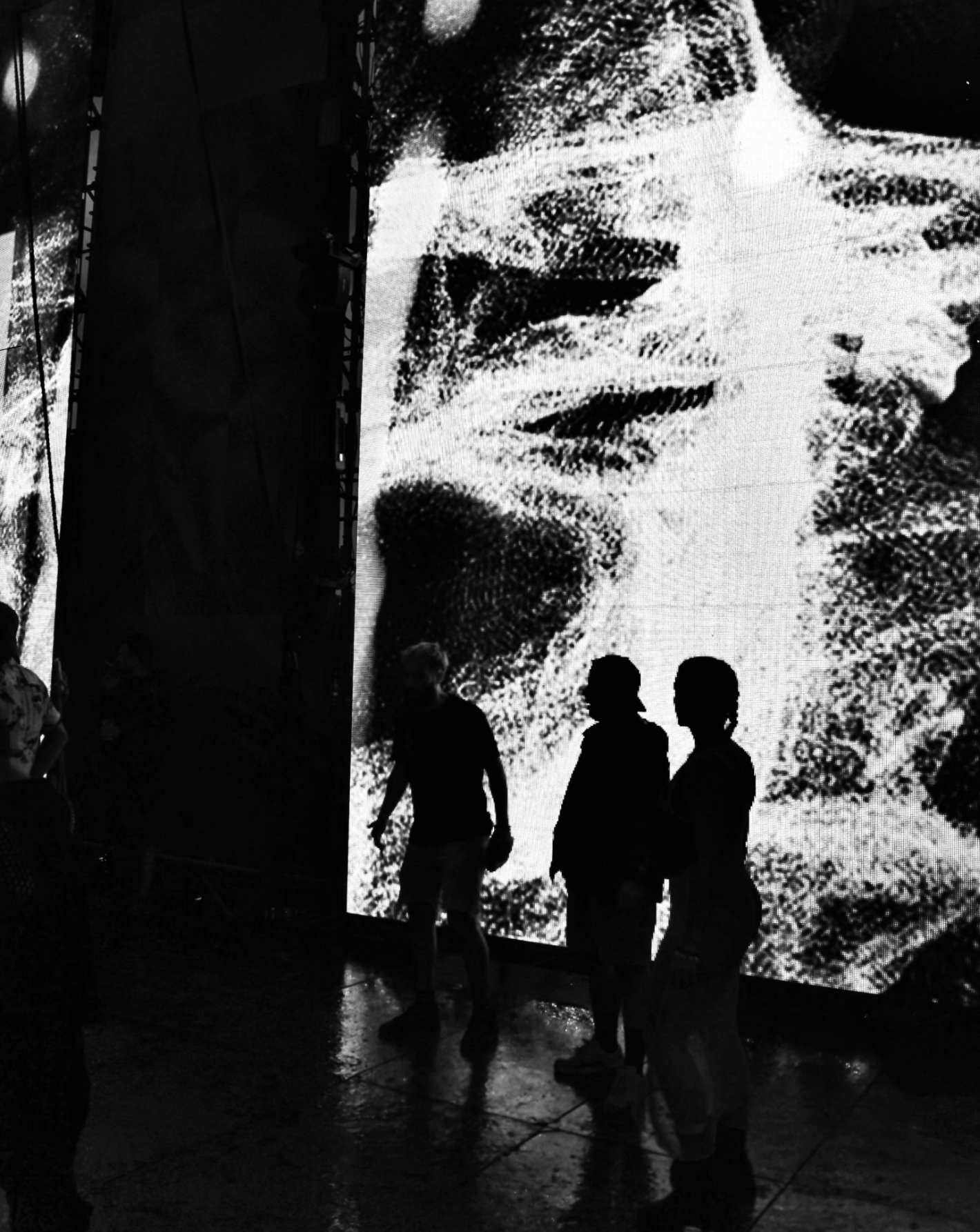
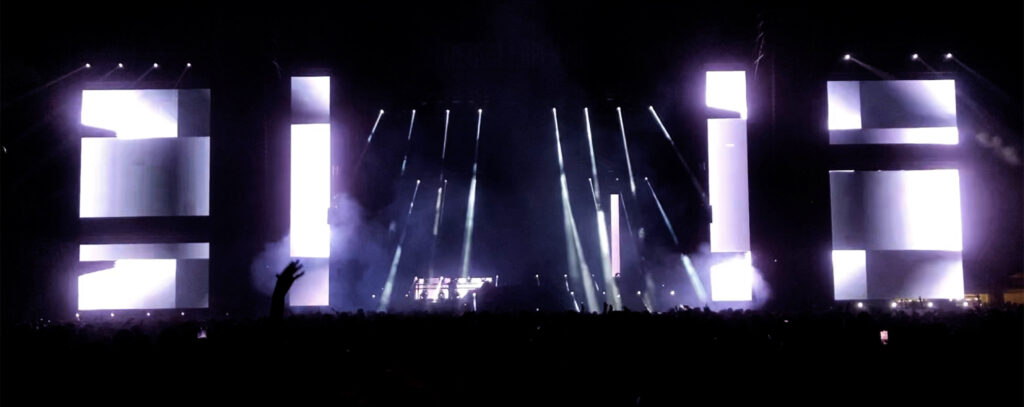
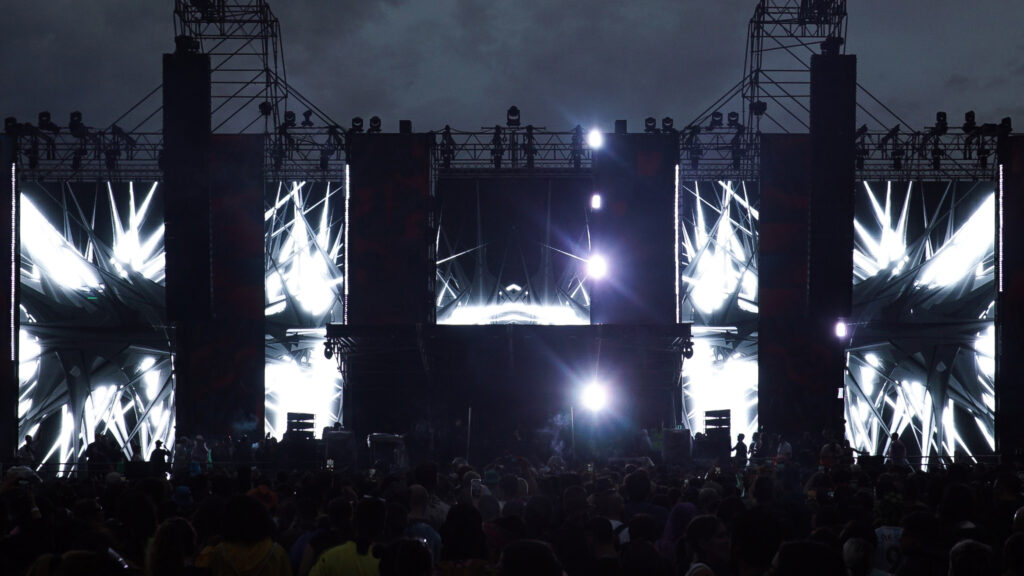
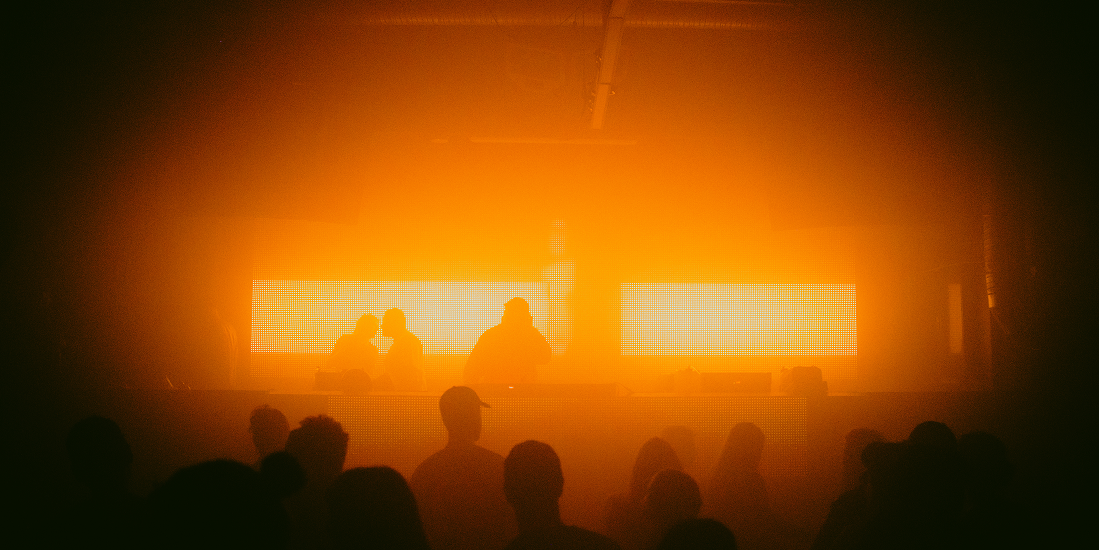
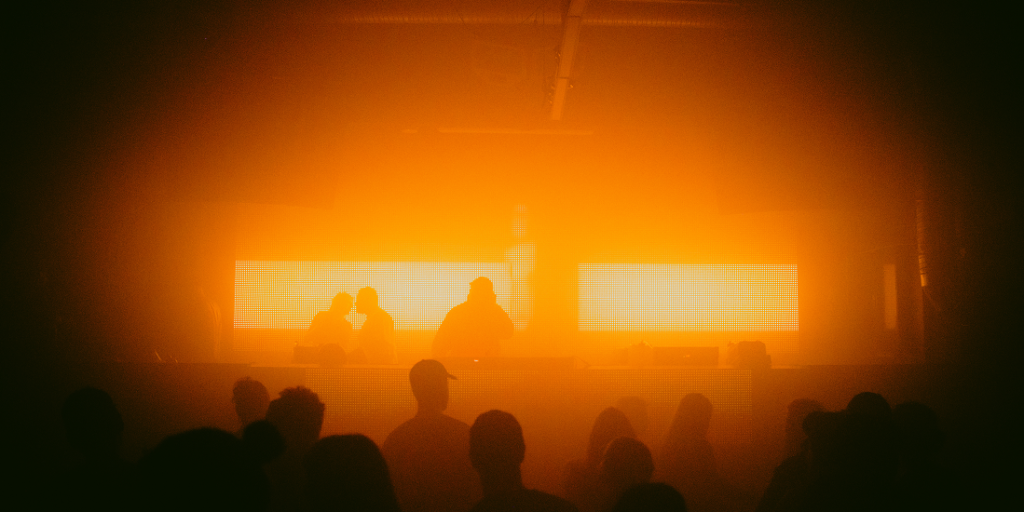
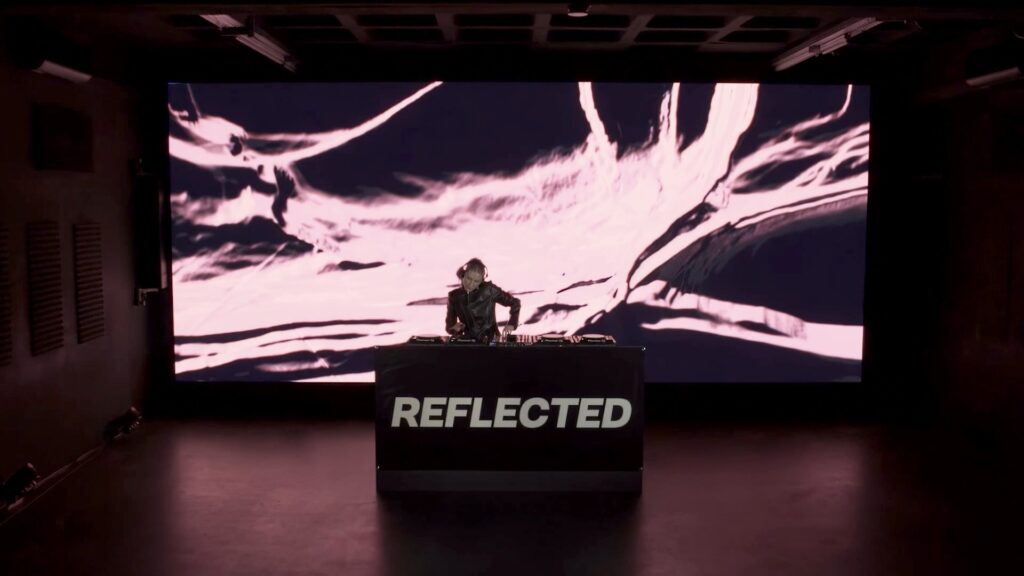
Three years as house VJ for Decibel Open Air, one of Italy’s largest techno festivals. 50,000 visitors, main stage across two days each year. Charlotte de Witte, Marco Carola, Amelie Lens, Peggy Gou.

Audioreactive realtime visuals in TouchDesigner, prepared and played live, integrated into the festival’s production. Booked through PFA Studios each year.
MUT

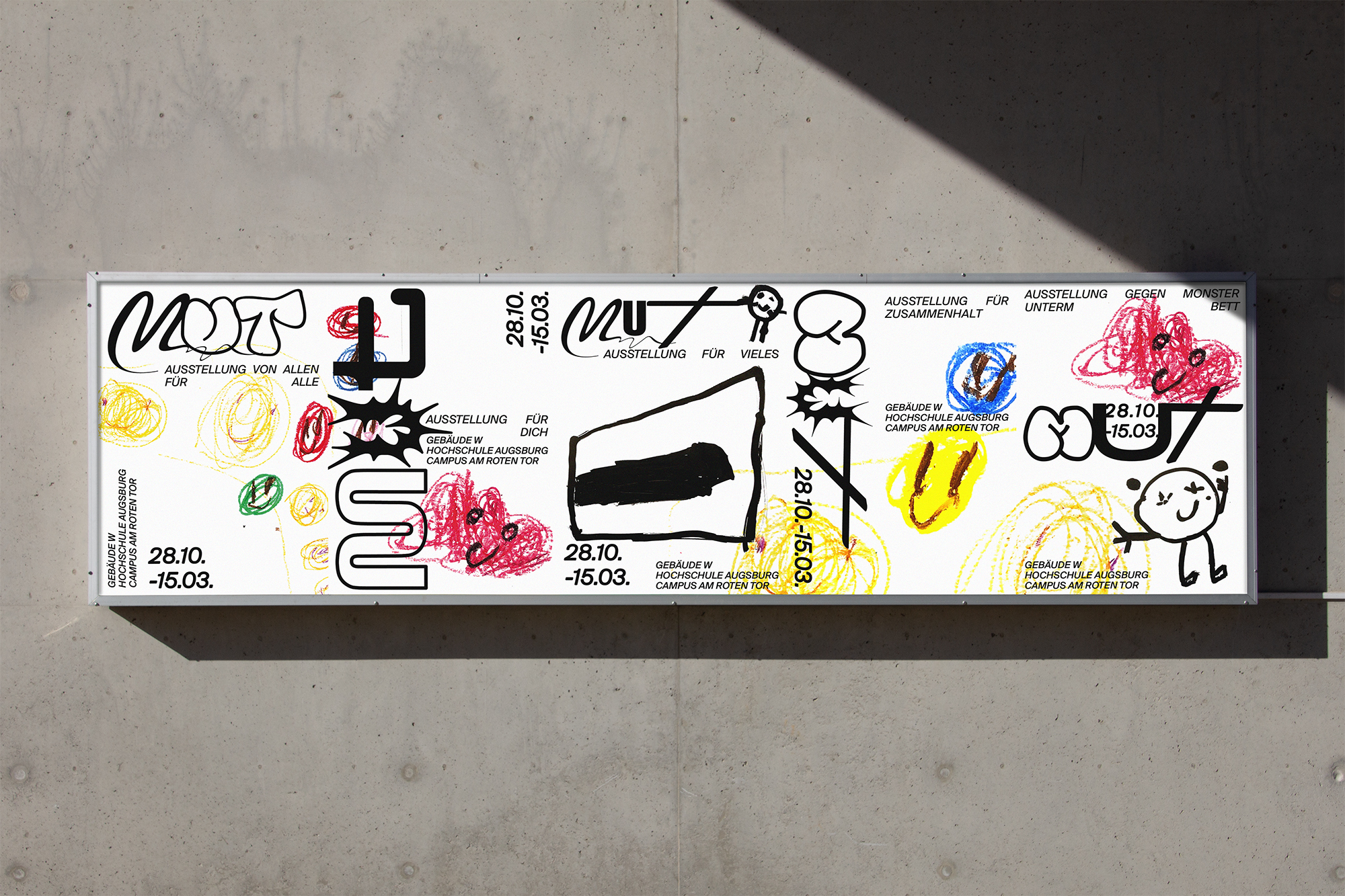
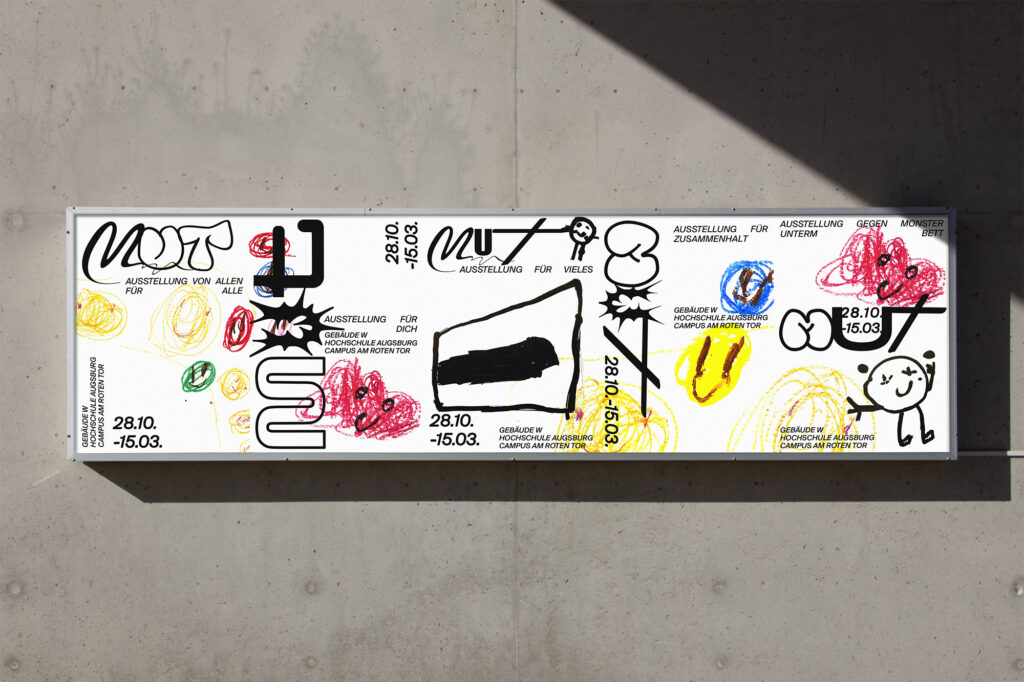
A poster series for the exhibition MUT, showing works by children and young people in difficult life situations, presented at TH Augsburg. The illustrations came out of workshops with the participants.

I built a generative layout system around a custom typeface, producing five posters from the same elements that work individually and together as a series. The client chose a different direction. This version was not produced.