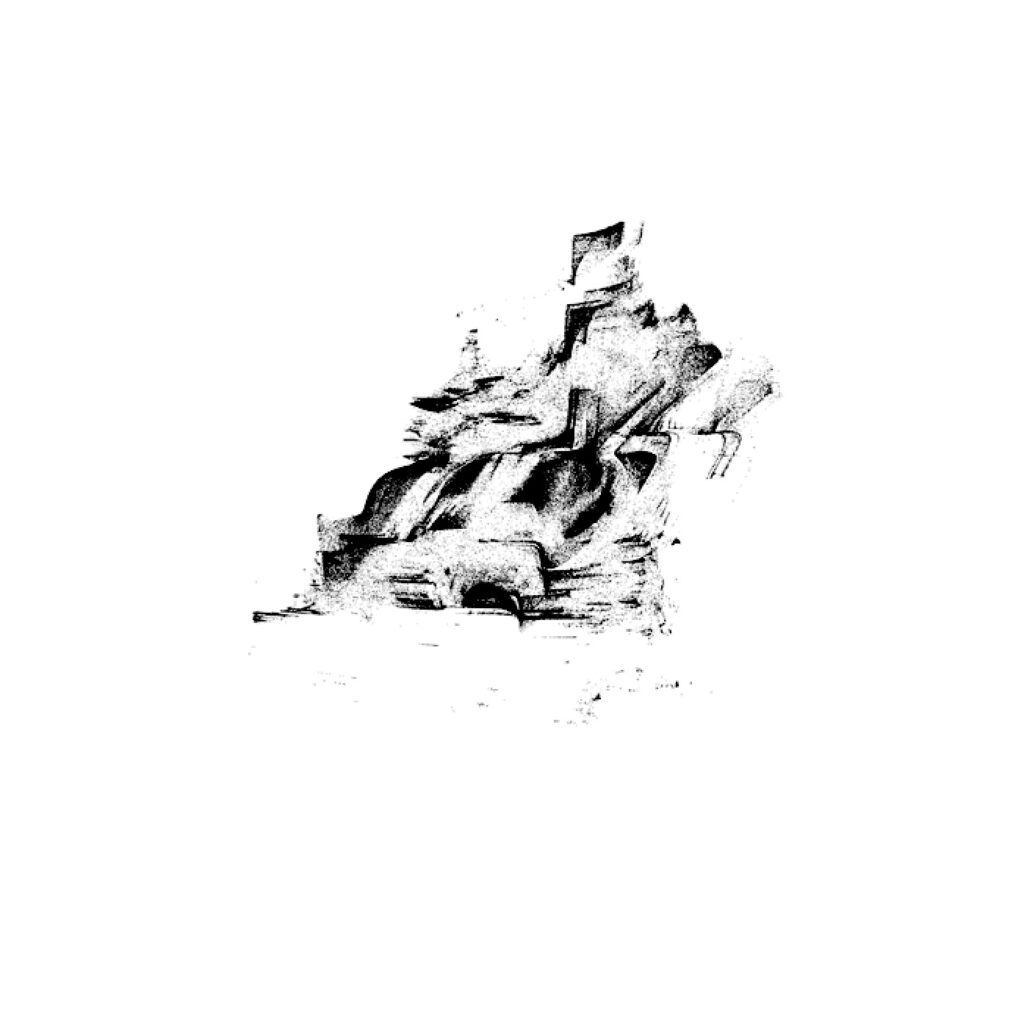
Noise of many

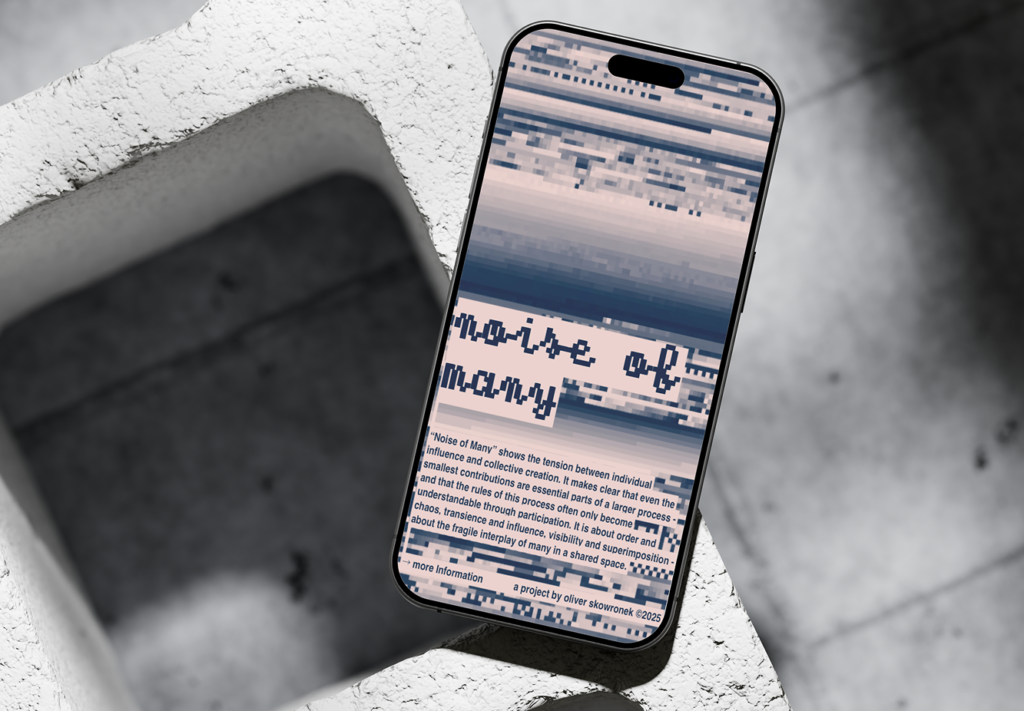
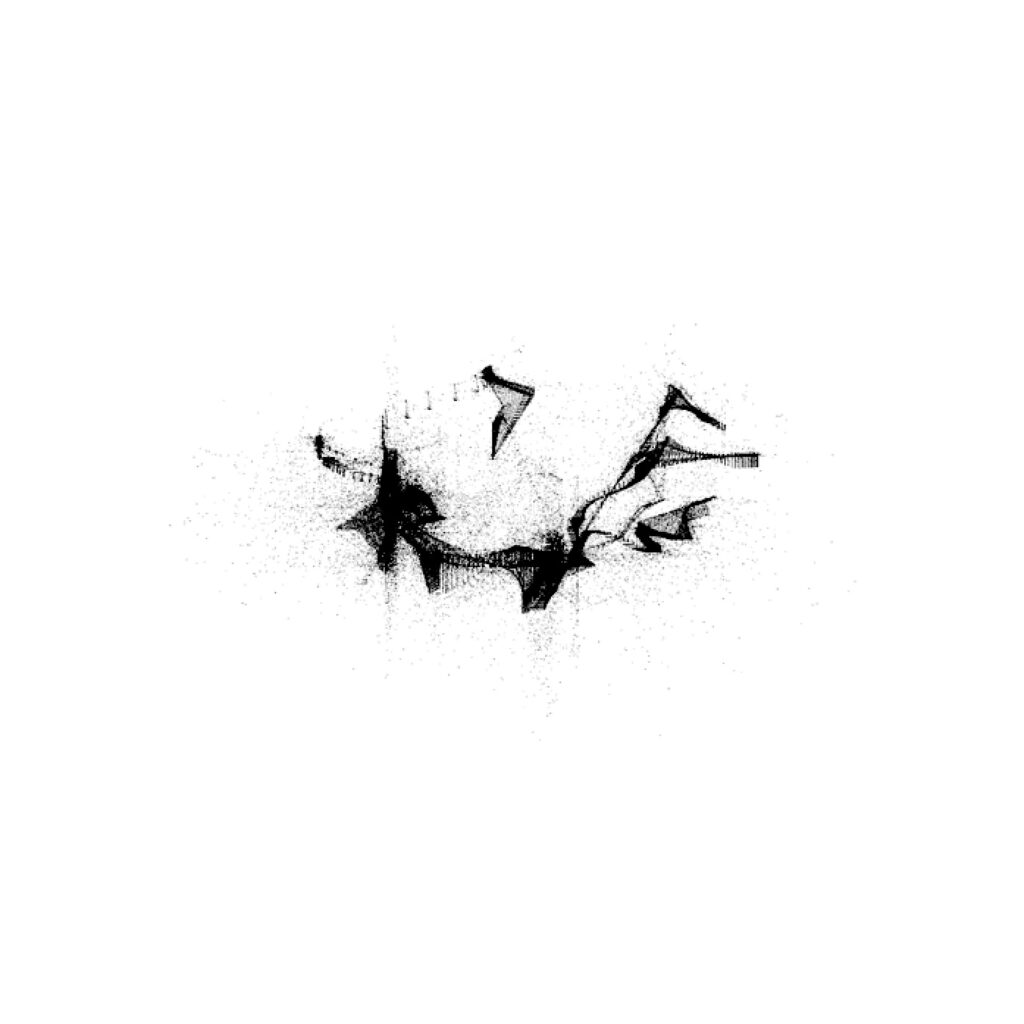
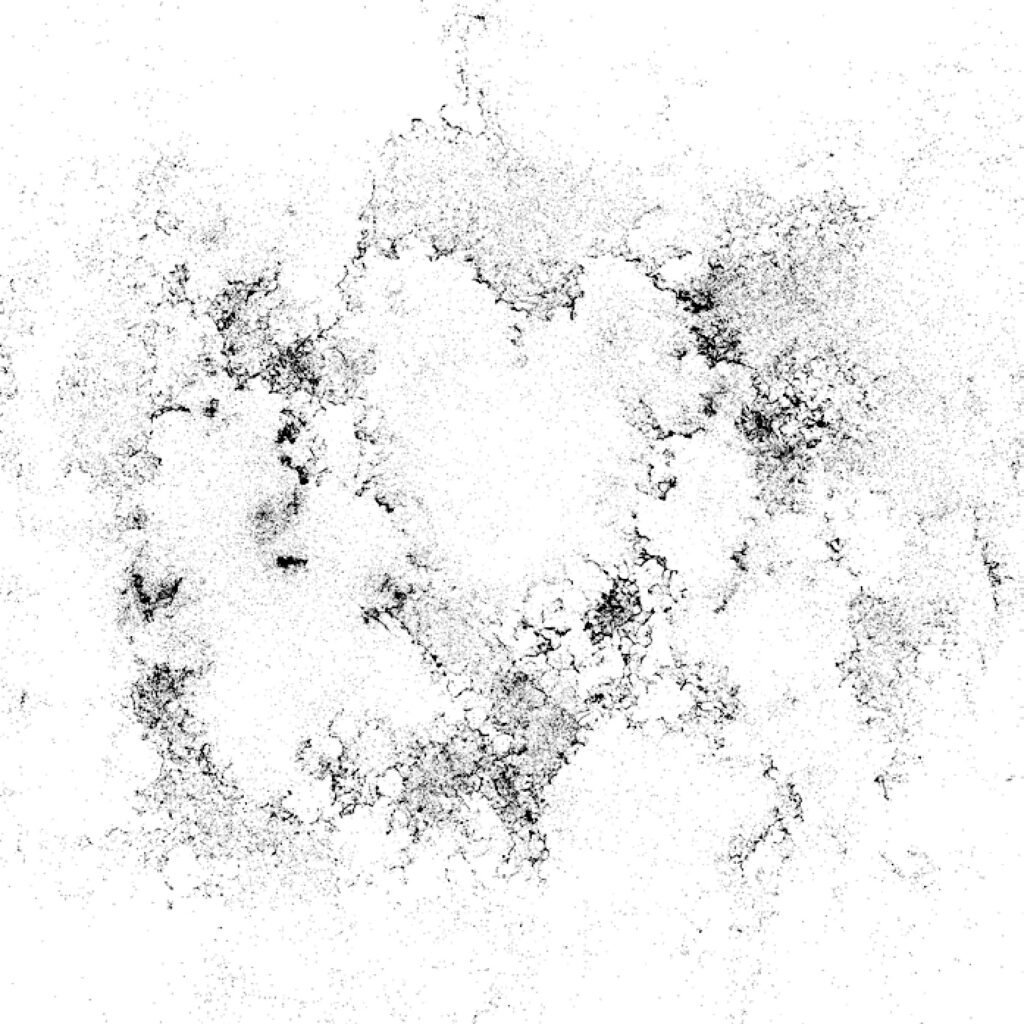
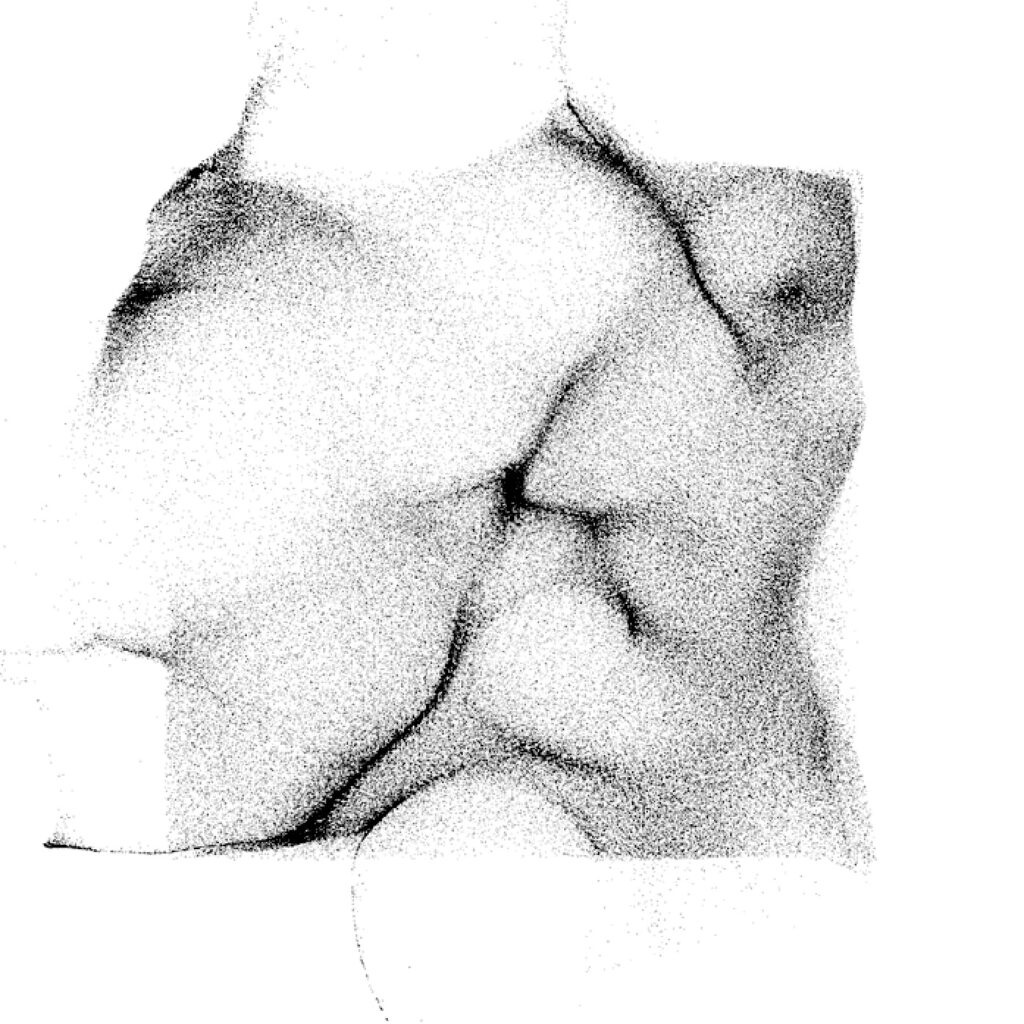
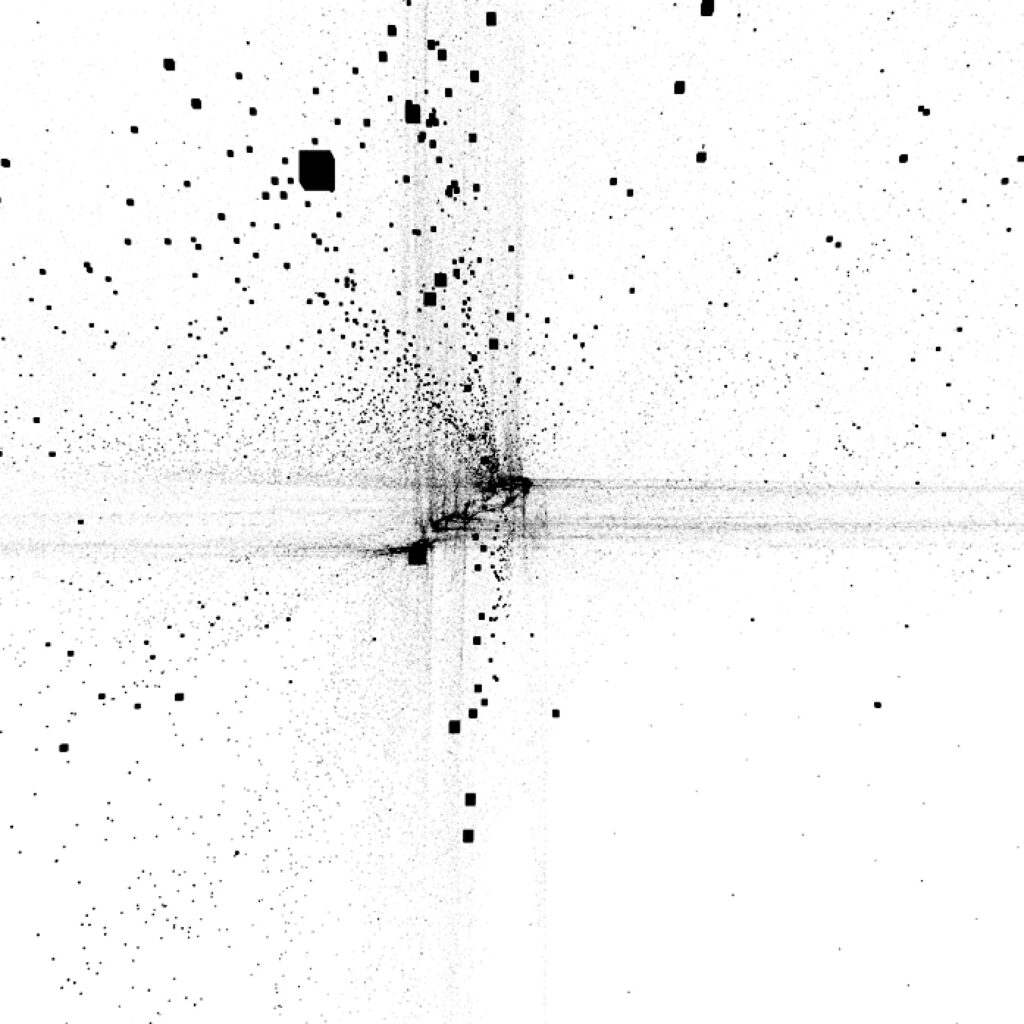
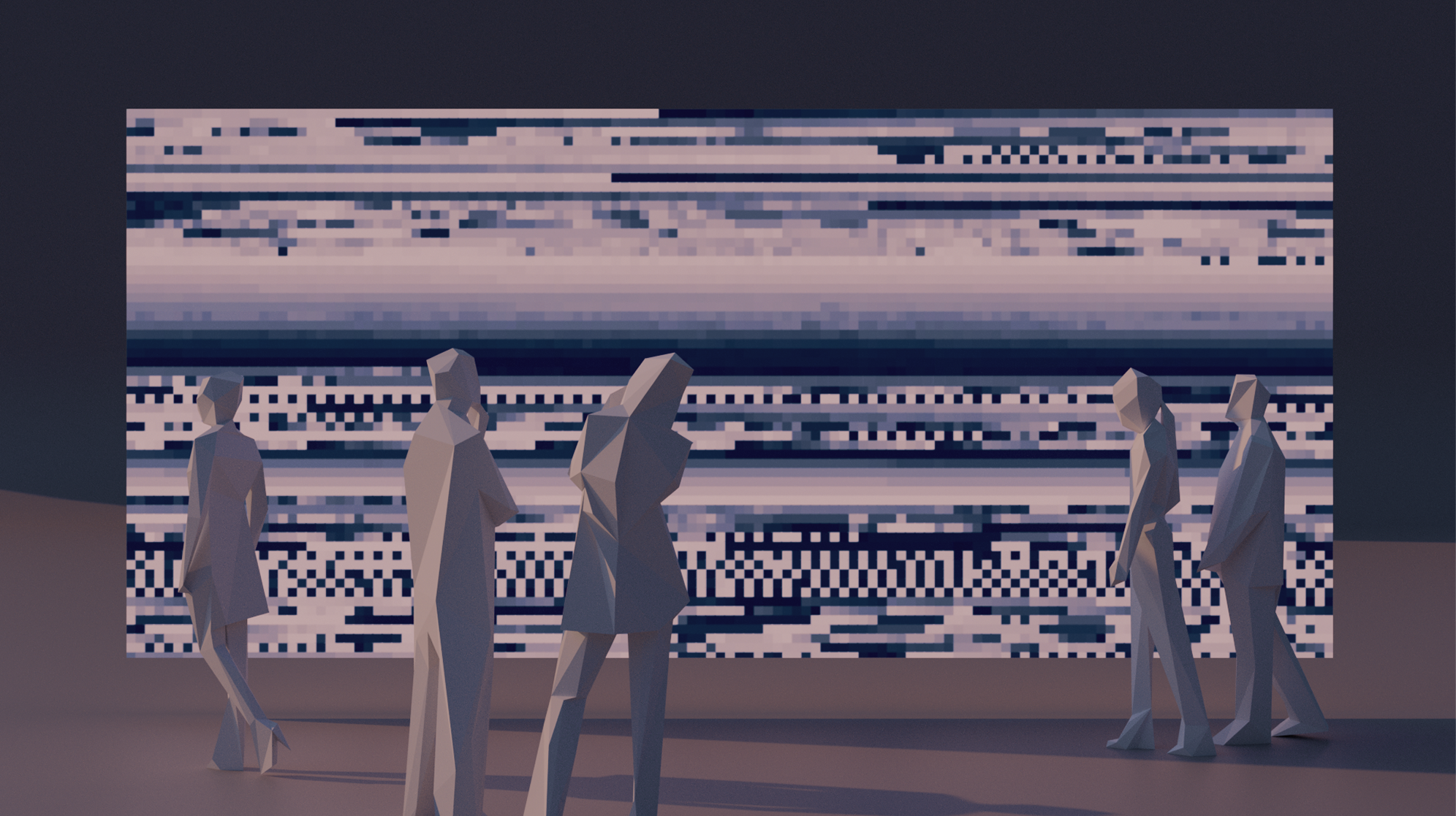
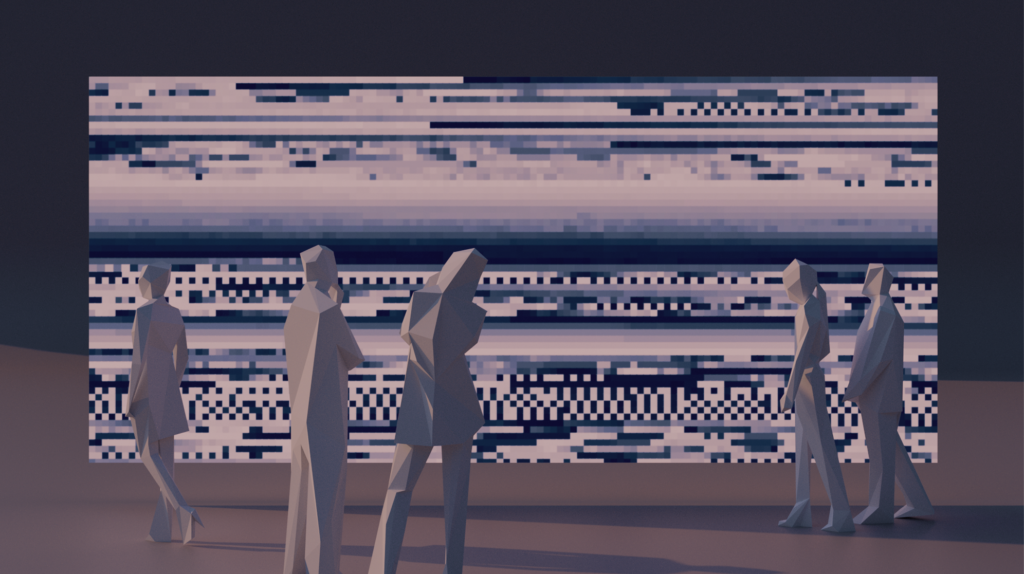
Most systems designed for collective participation make individual action legible. Noise of Many inverts this. Each click changes a single pixel in a shared image permanently, but in almost all cases invisible to the person who made it. The image belongs to everyone who contributed and resembles no one, yet everyone.

The work started from a specific observation: online participation has largely been reorganized around consumption, and platforms track and monetize individual behavior while keeping collective structure opaque. The question was whether a system could do the opposite, making collective structure visible while the individual contribution dissolves into it.

Built as a web application backed by a real-time database, every click is stored and translated immediately onto a shared canvas, marked by a brief visual flash before dissolving into the accumulated image. With no author and no moderator, the canvas records aggregation rather than coordination. What accumulates is itself a form of noise, an order that emerges from statistical superimposition.

Rancière’s concept of the distribution of the sensible shaped the framing: what gets to appear within a shared perceptual field? A single click is statistically negligible. In aggregation, however, these clicks compose something. The work lives in that gap between individual action and collective effect. Mouffe’s writing on democratic paradox adds a second frame: democratic participation does not converge toward consensus. The image Noise of Many accumulates reflects this. It is not legible as a collective decision.

A prototype is accessible at eeeh.fun.
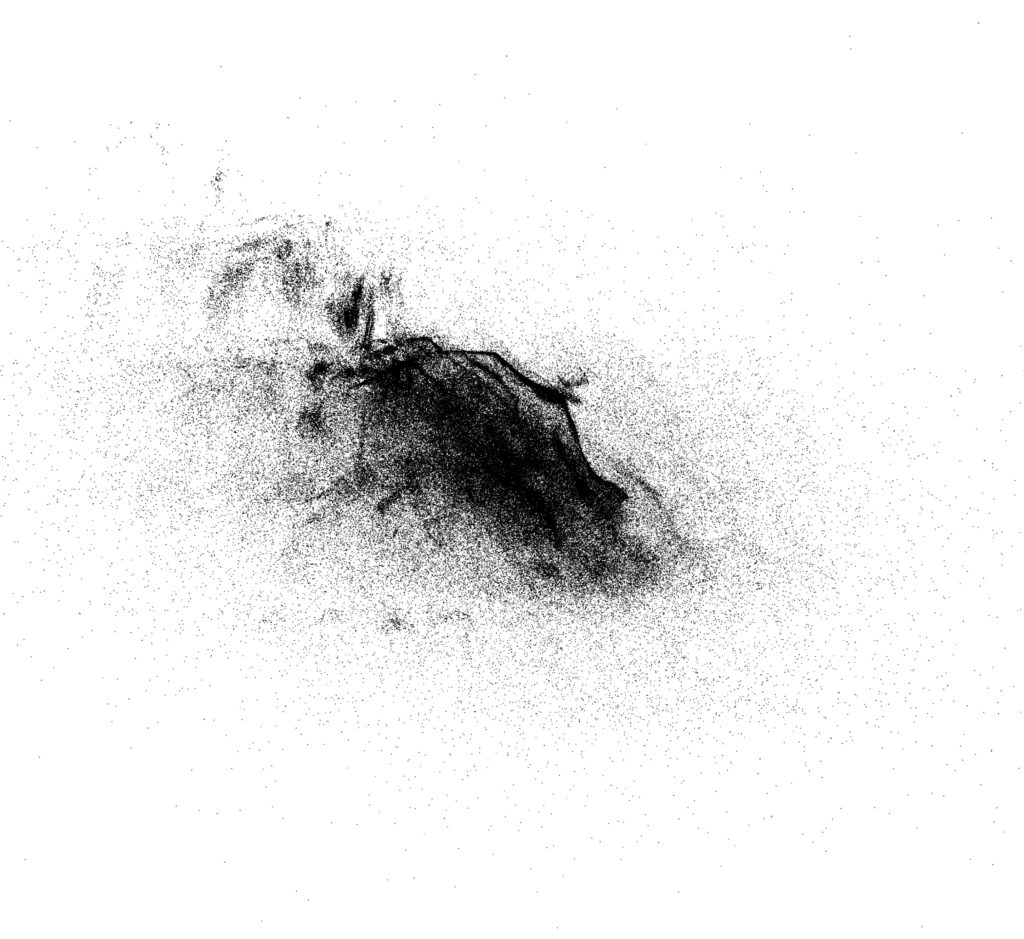
Rauschen

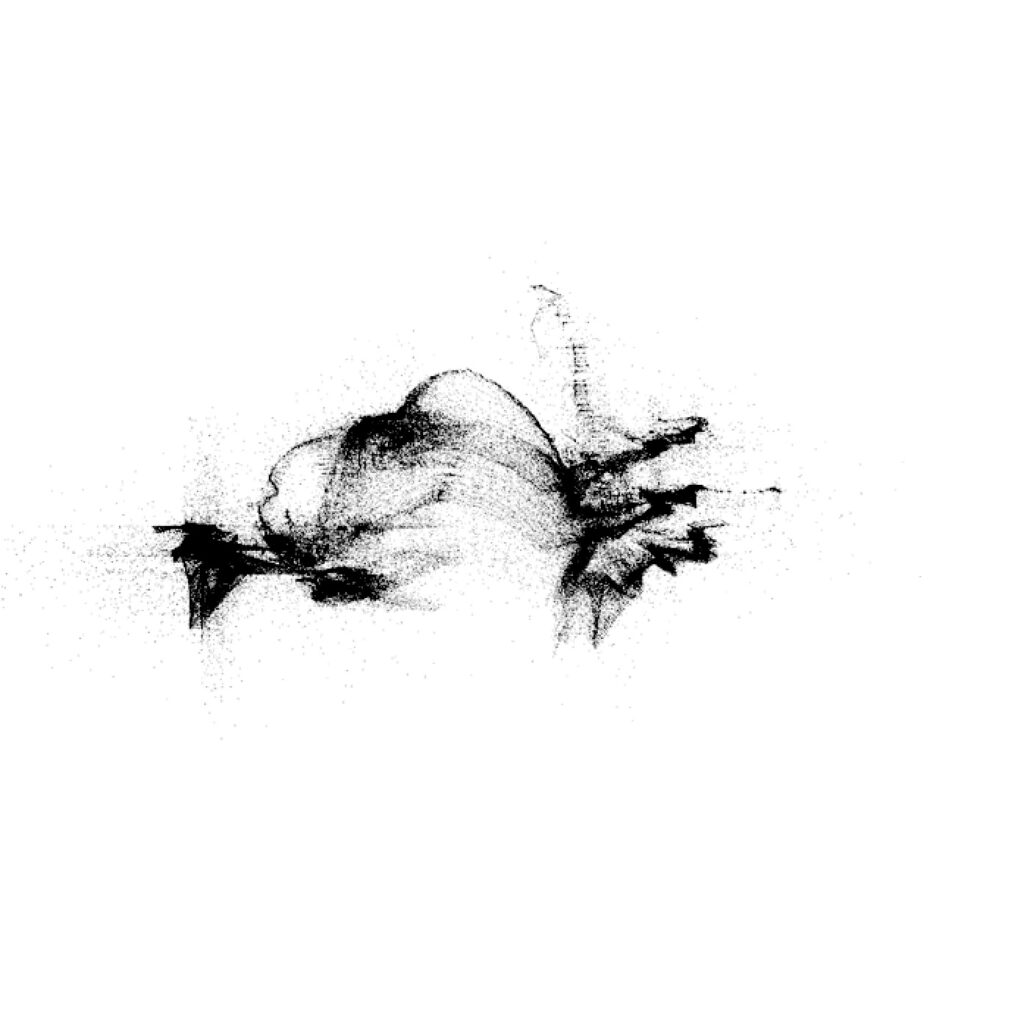
Digital systems tend toward exactness. Outputs are reproducible, and behavior is deterministic. Natural phenomena, however, operate in a different register: a cloud formation looks different each time you observe it, and sustains attention in a way that most screen content does not. Rauschen was built to examine what it takes for computer-generated forms to cross that threshold.

The written component of the thesis traced the history of noise functions in generative art, from Frieder Nake and Vera Molnár in the 1960s through Ken Perlin’s development of Perlin Noise in 1983, to its successive elaborations: Simplex, Cellular, Fractal Brownian Motion, and Flow Noise. Each stage shifted the statistical distribution of randomness and with it the perceptual character of the output. To understand these functions, I rebuilt each one from scratch during the research process, though the final installation uses established implementations.

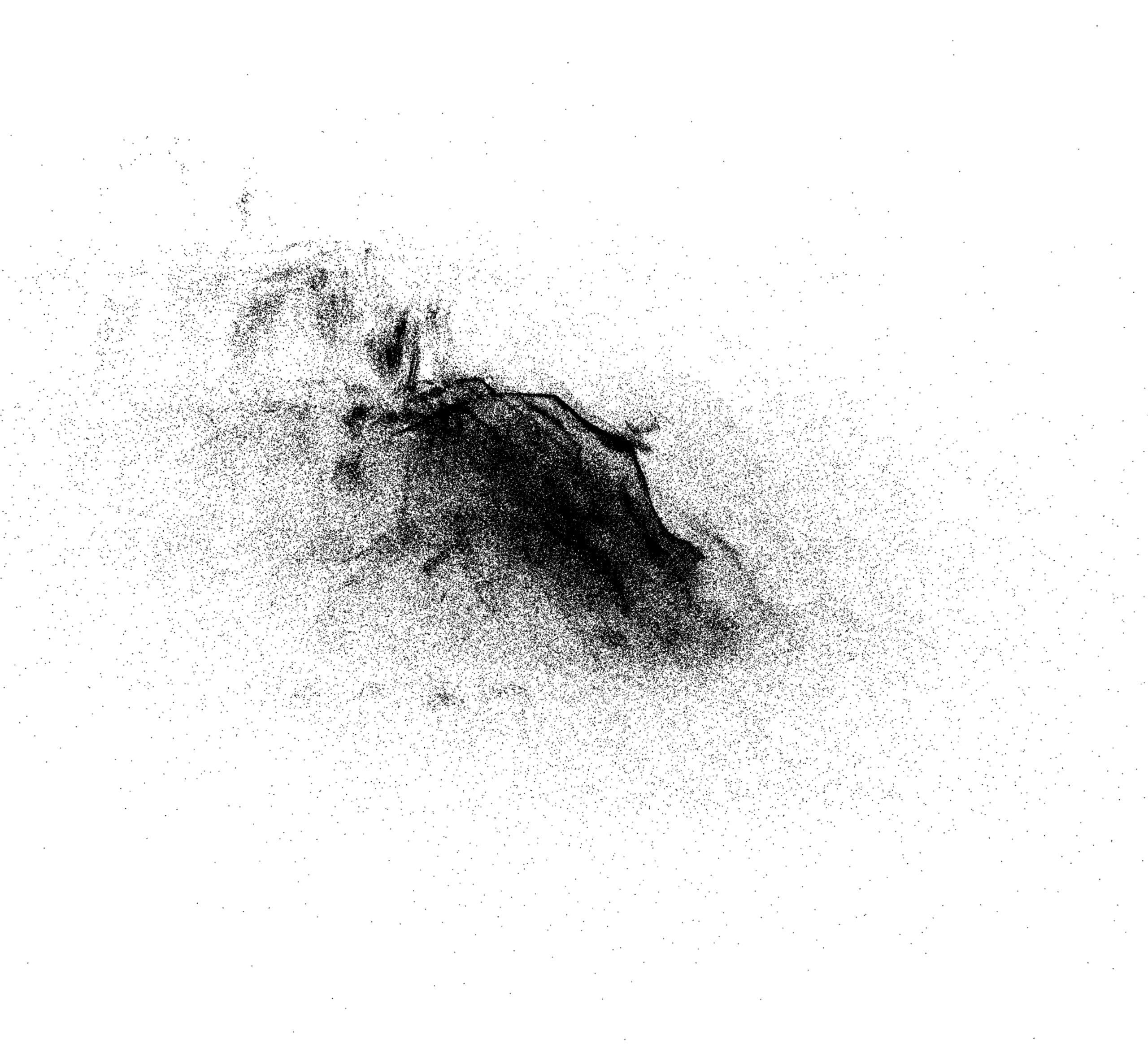
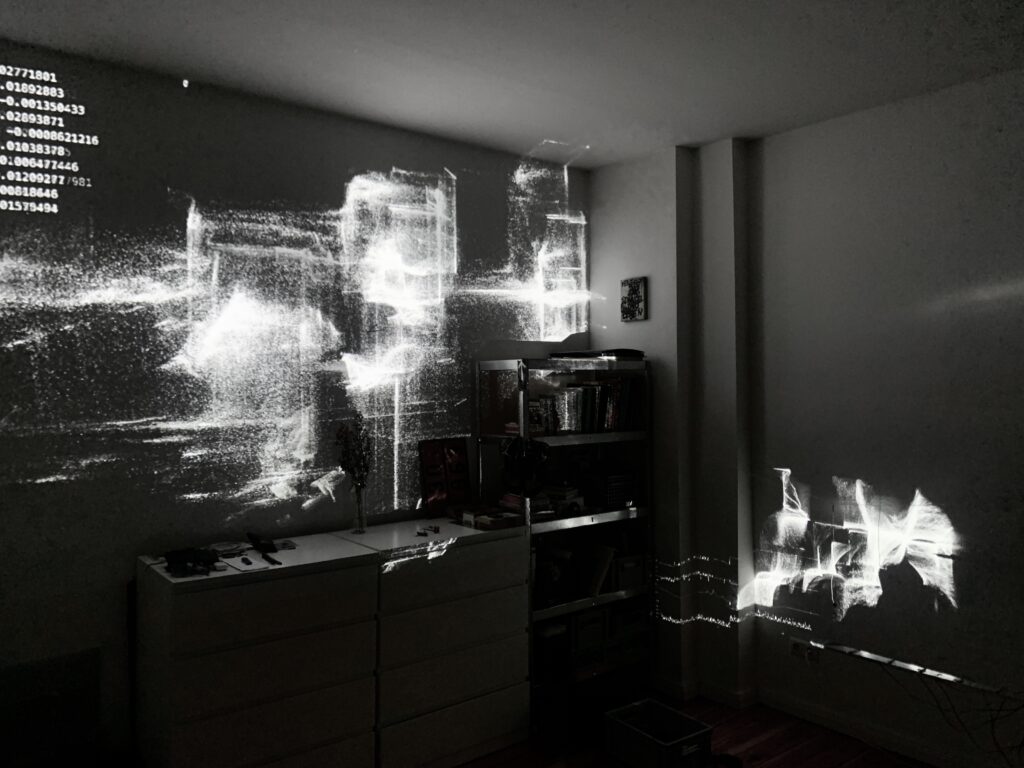
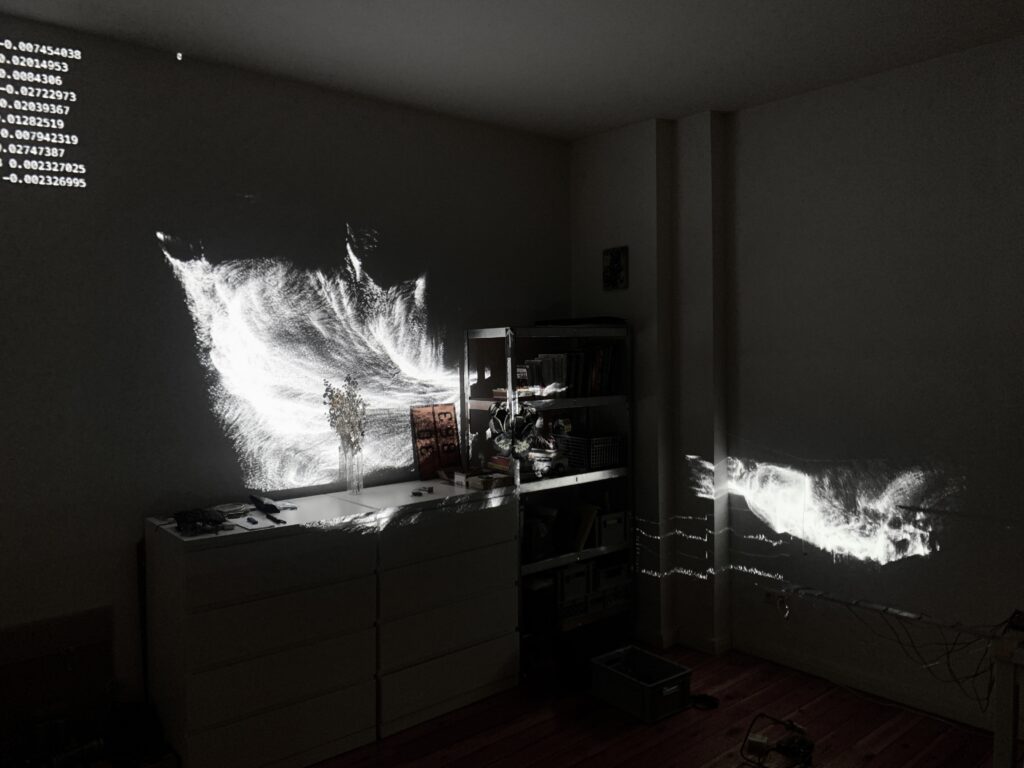
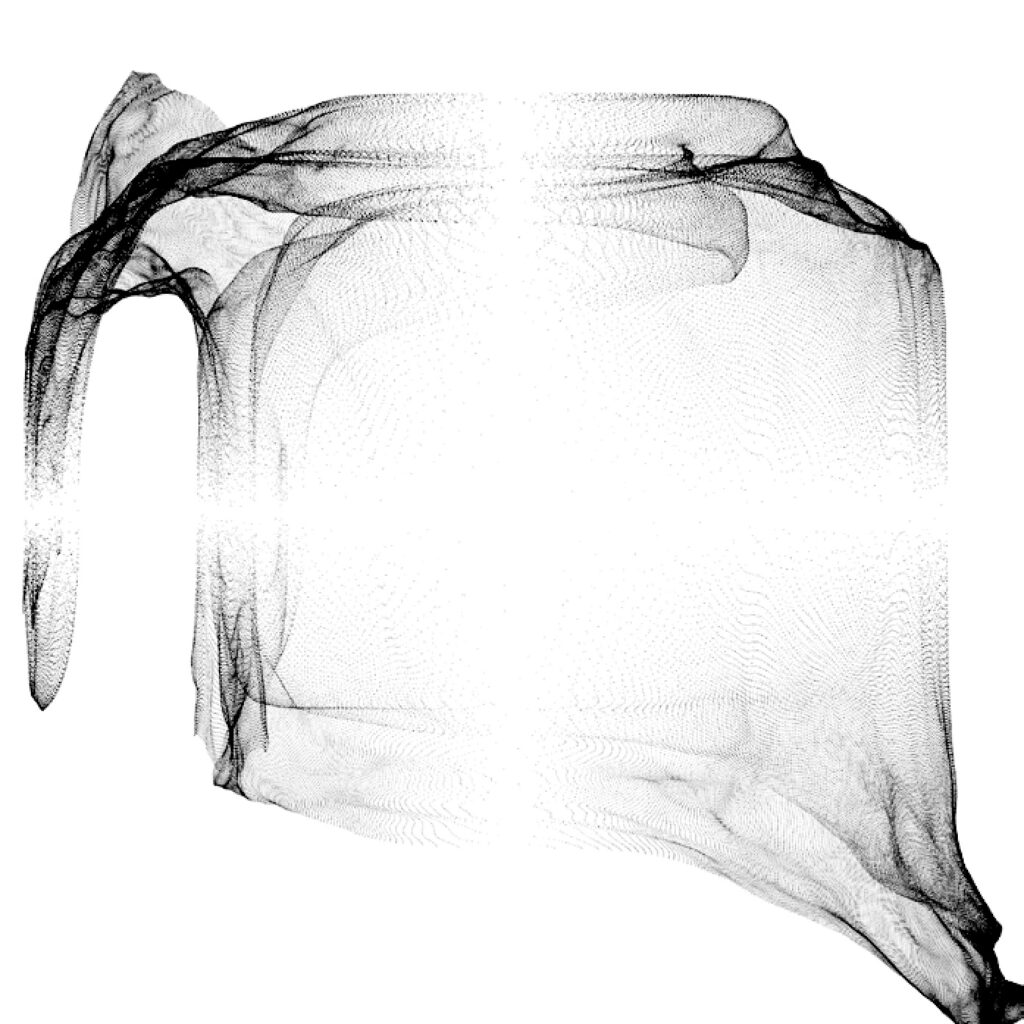
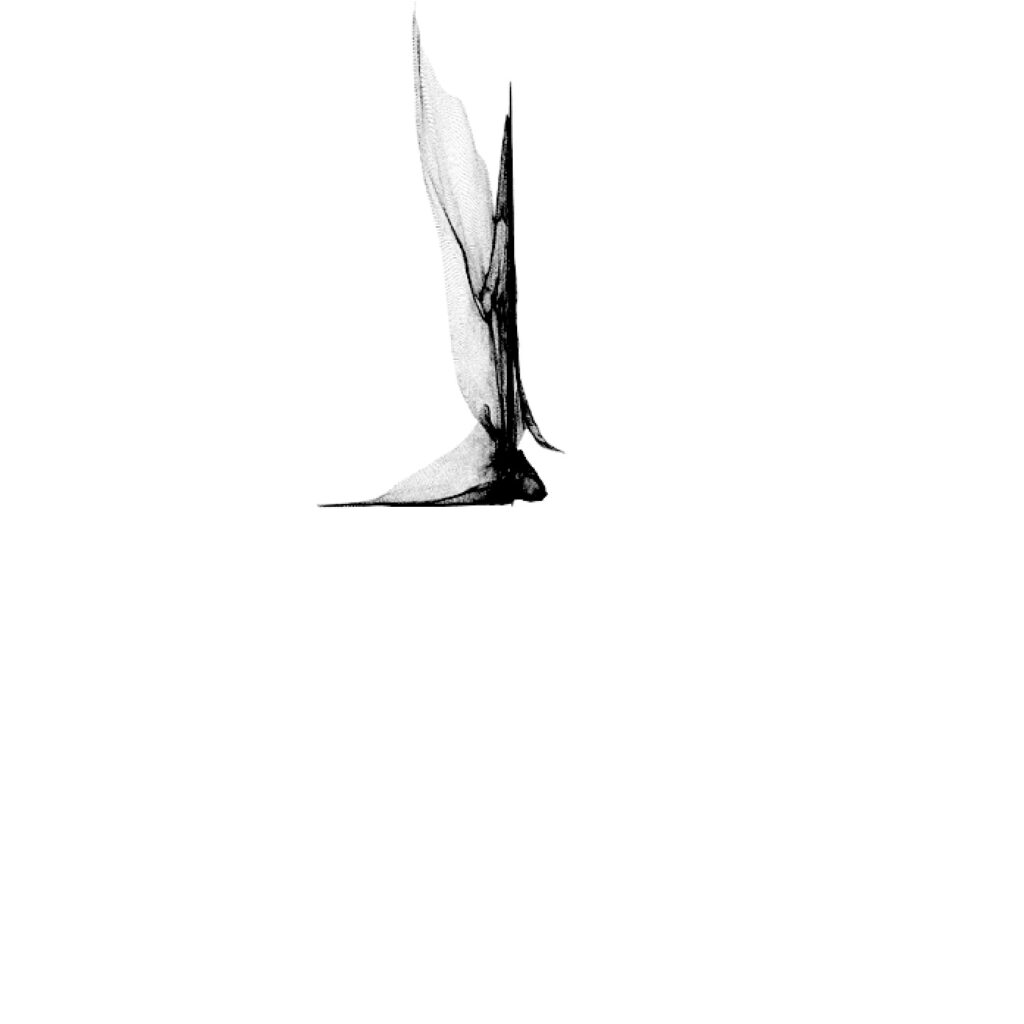
The corresponding installation extends this into physical space. Multiple microphones and light sensors, distributed throughout the room and connected via Raspberry Pi Picos over I2C, read the environment in real time. Their values drive a GPU-instanced particle system of approximately 3,5 million particles across a three-channel projection, rendered in black and white. The system responds to its surroundings. A visitor casting a shadow on a floor sensor shifts the field, but never deterministically. The same input produces different results over time.

This opacity was deliberate. The piece behaves like an animal. It reacts to stimuli, but the causal logic stays hidden.

Ambient Listener

A significant part of contemporary urban space is organized by electromagnetic signals such as WiFi, cellular networks, broadcast radio, and emergency services. These signals structure the environment and are imperceptible without instruments. Ambient Listener was built to make this landscape visible.

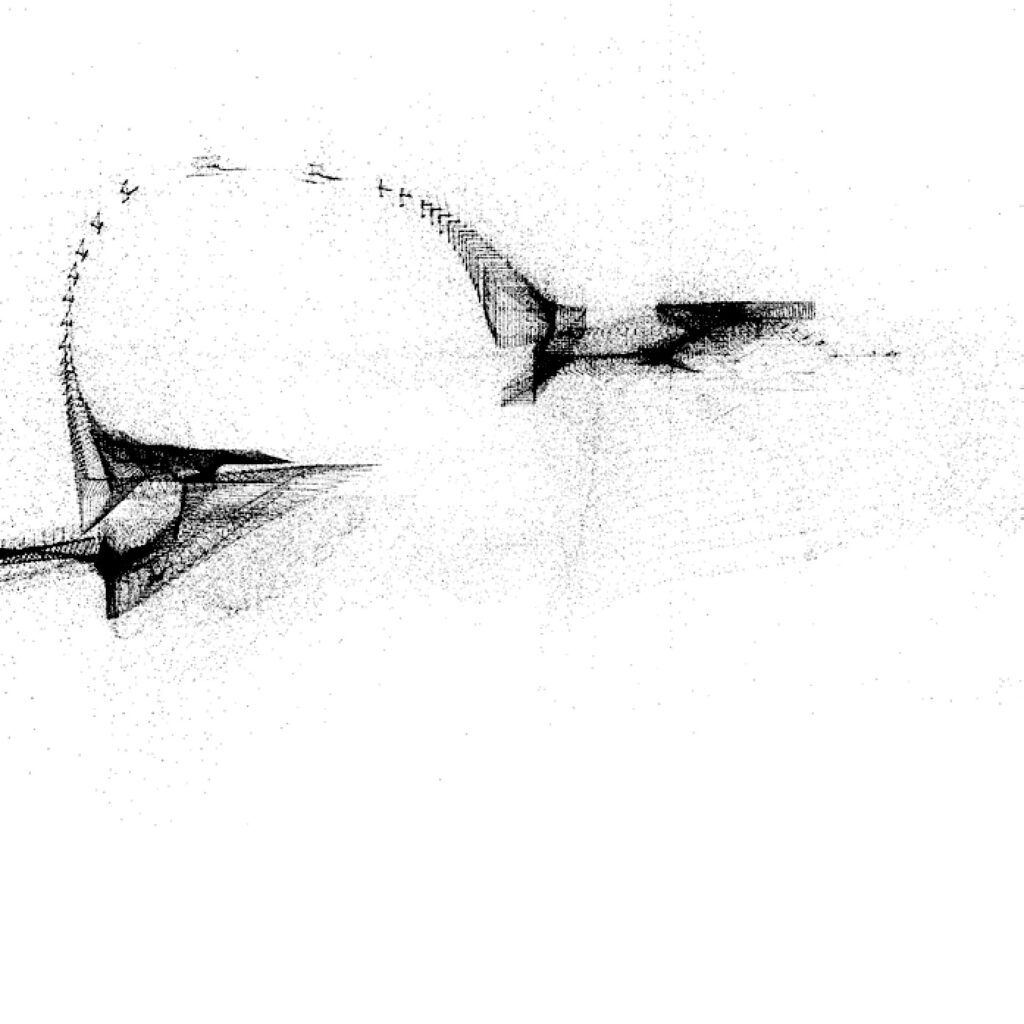
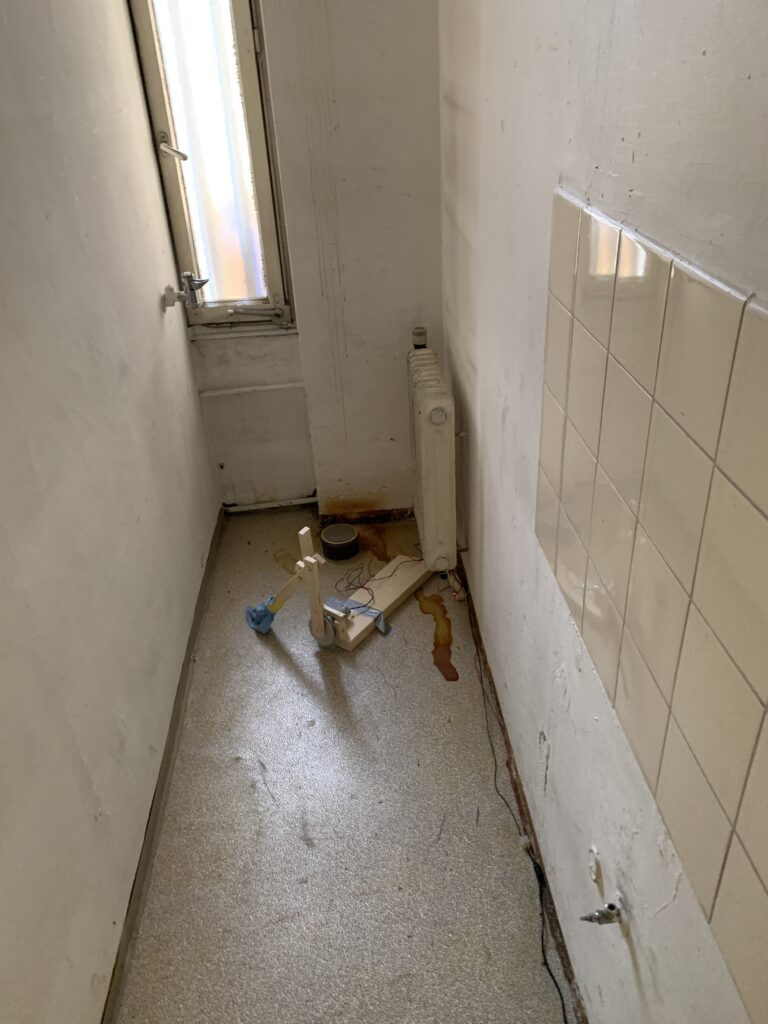
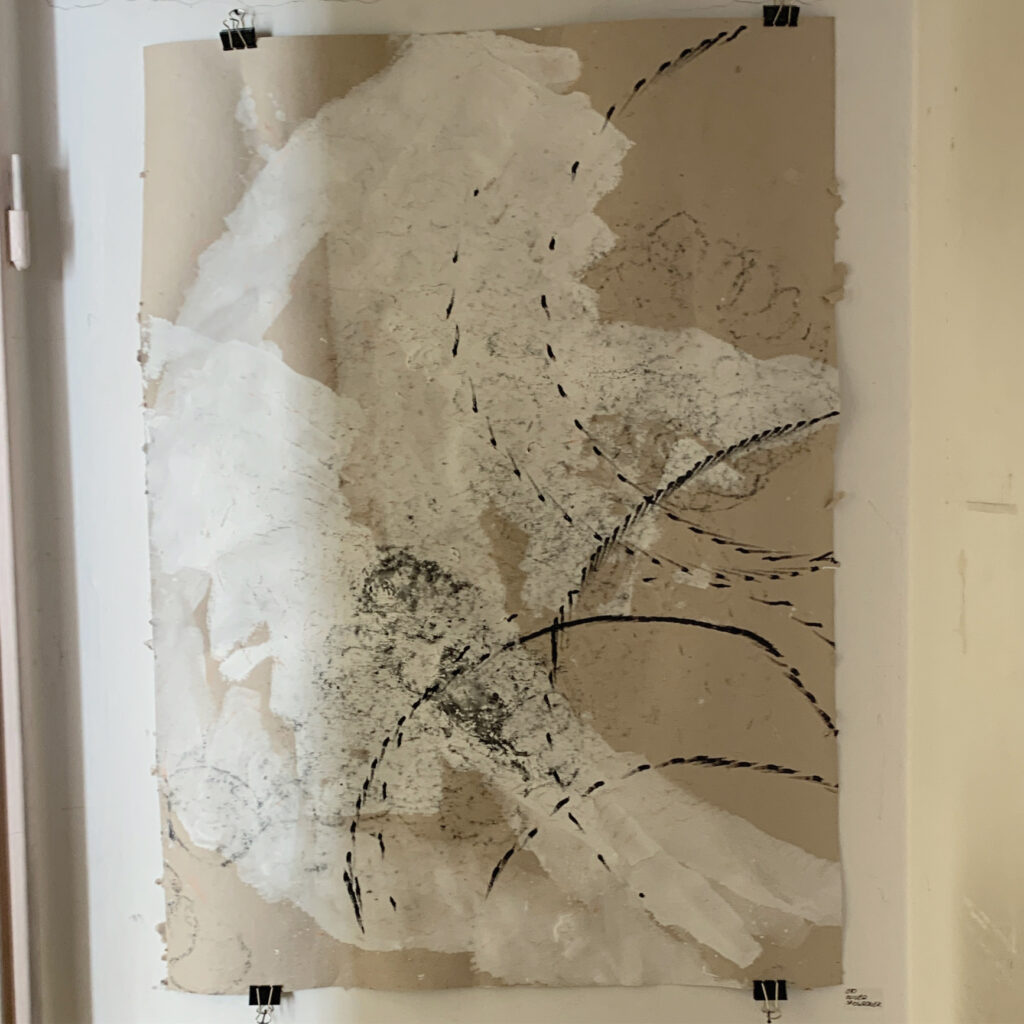
A rotating motor arm draws on paper in direct response to the measured field strength. A broadband receiver measures signal intensity; a PWM module converts this to voltage; the voltage drives a motor; the motor moves the arm. Operating without a microcontroller or software, the machine has no representation of what it is measuring.

This turned out to matter unexpectedly: the produced drawings were interesting, but the more expressive element was the machine’s behavior, especially how it moved through space over time. Dense signal environments produced frantic movement; quiet ones produced something slow and circling. Behavior tracked the invisible field more directly than the marks left on paper. The drawing became documentation of behavior, while behavior itself was the primary output.

The decision to use only analog electronics was deliberate: no digital mediation layer in a piece about invisible digital infrastructure. The machine is moved by signals it cannot parse.

Ambient Listener, autonomous drawing machine with analog electronics — Oliver Skowronek, Discovered Space Augsburg 2019

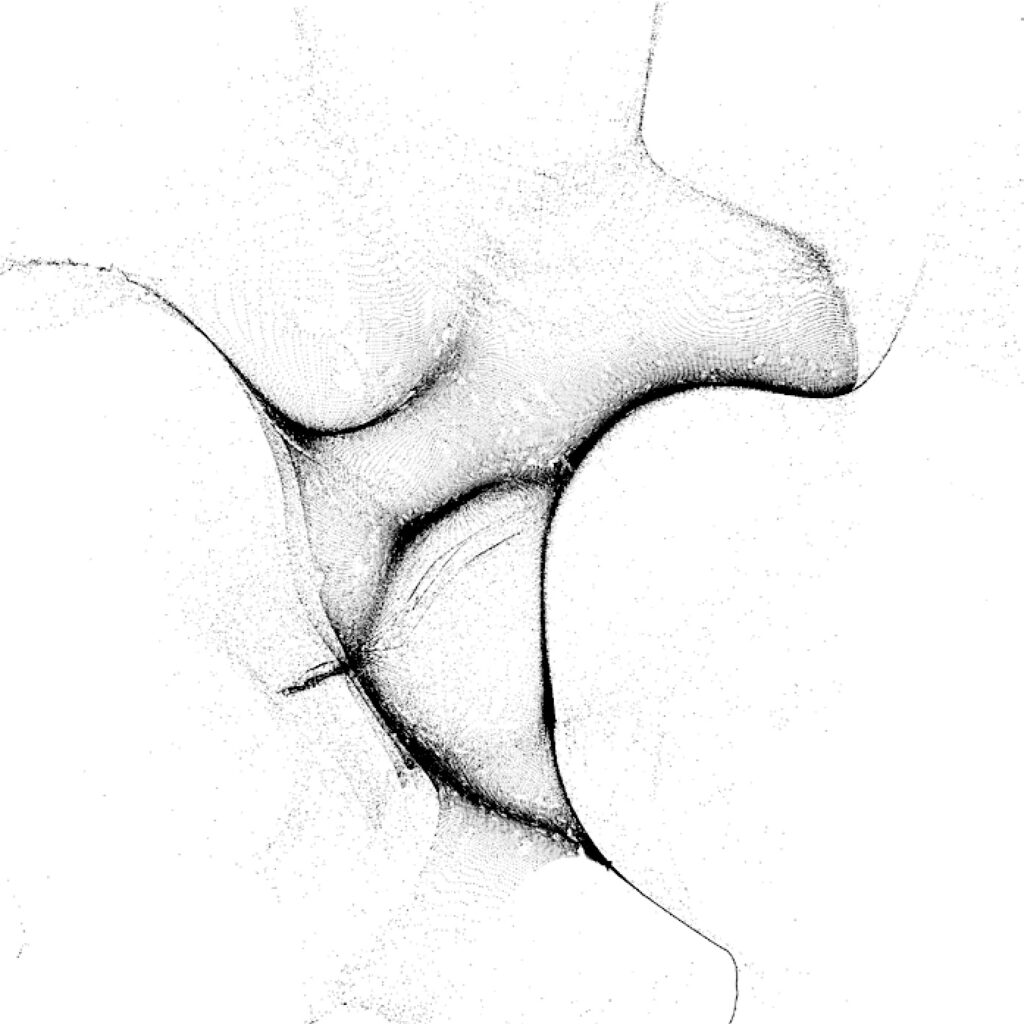
baum oder hund

The work is about coexistence. To examine how individuals share space, I started from the cell, the smallest unit of biological life. A cell functions on its own, but in living organisms typically occurs in collectives.

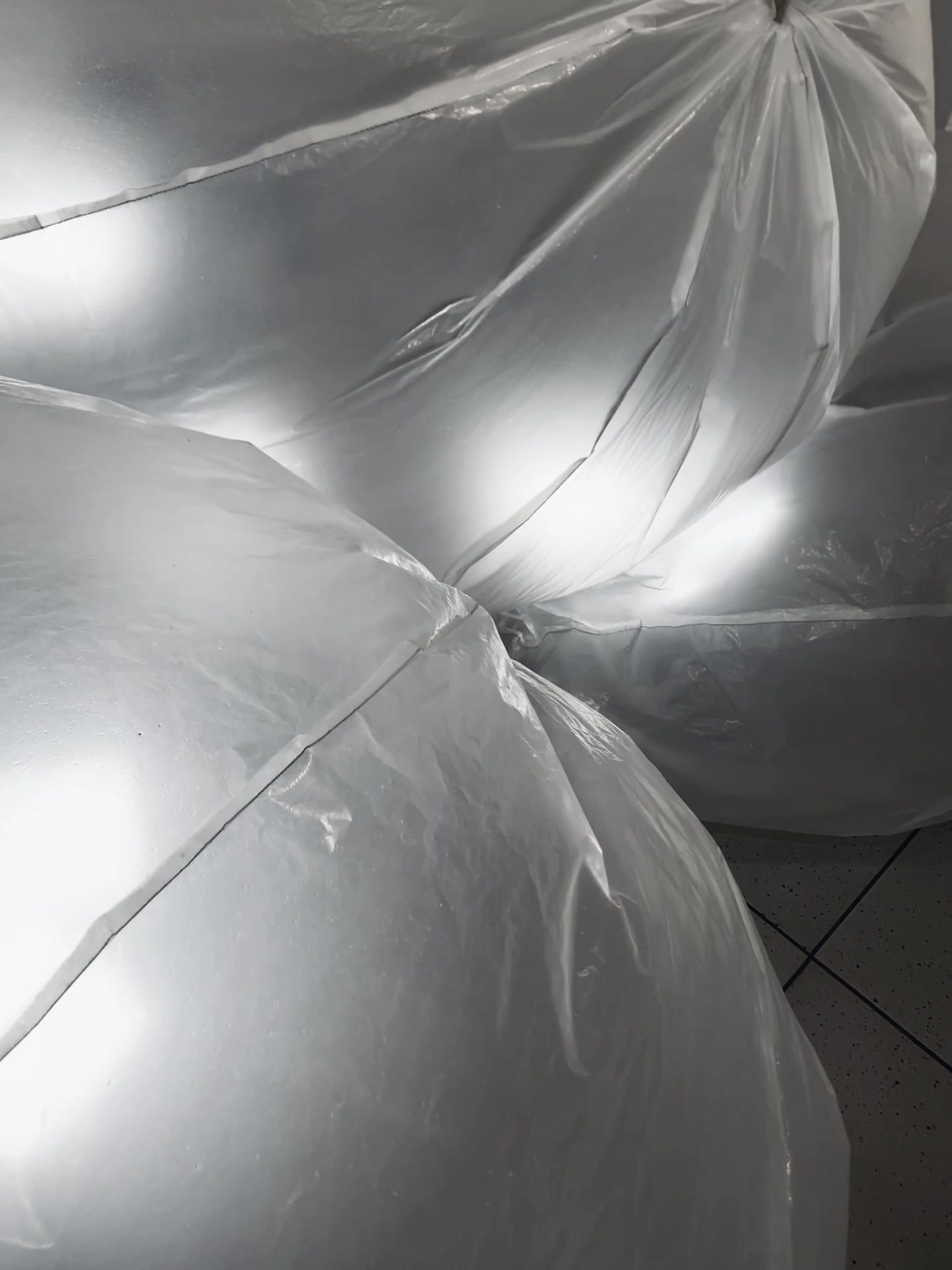
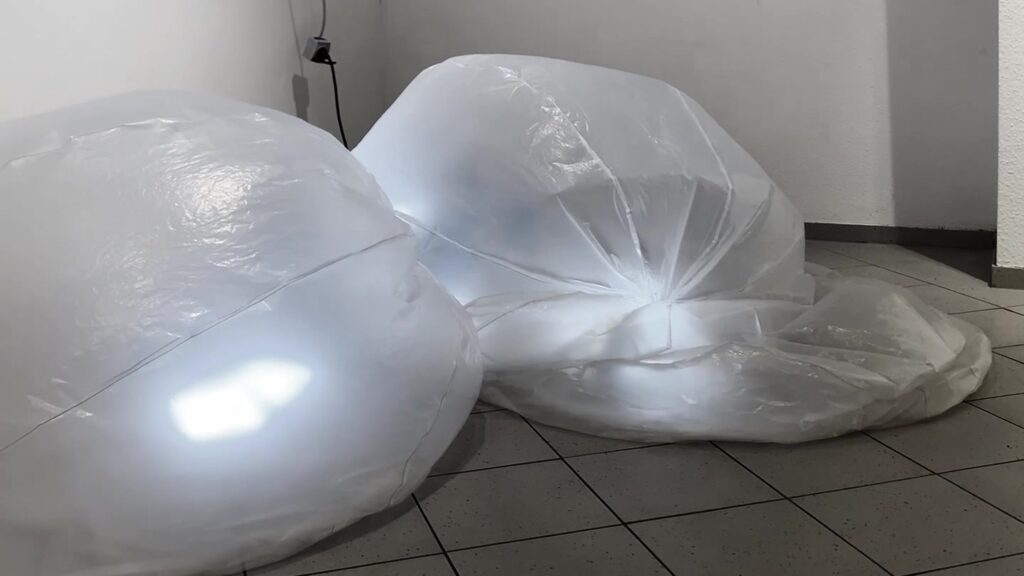
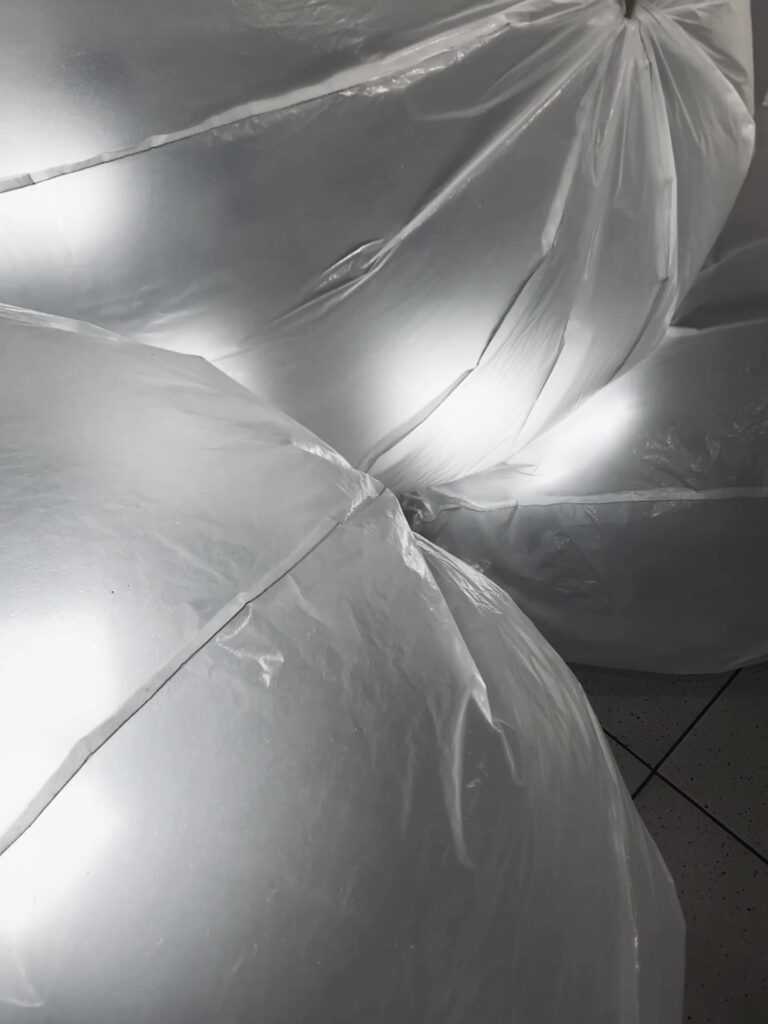
The installation consisted of three such bodies. Each cell is a semi-transparent inflatable made of plastic film. Two LED panels sit inside, and a repurposed computer fan is mounted at the opening. A small board with a microcontroller, power supply, and two MOSFETs drives the components. When plugged in, the microcontroller runs a program that varies light intensity through flicker and pulse. The frequencies are loosely based on relative speeds of metabolic processes inside cells, taken from biology papers rather than precisely modeled. These rhythms are layered, producing a light behavior that does not loop predictably. A similar algorithm drives the fan. Each body inflates and deflates in its own rhythm.

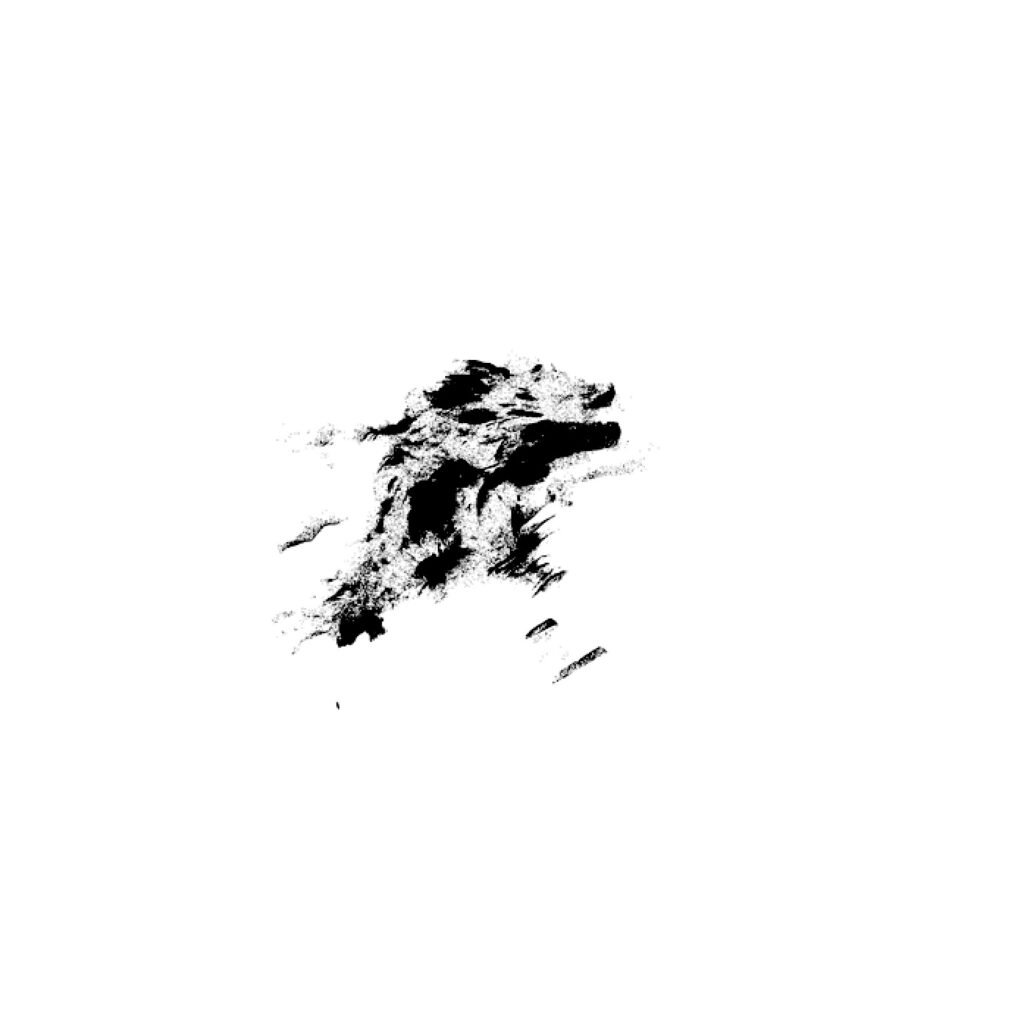
Each microcontroller reads its internal temperature and an external light sensor. Ambient conditions shift the speed of every process. The three bodies were placed close together. They pressed into one another, leaned, rubbed against their neighbors, held each other up, pushed each other down. Sometimes giving, sometimes taking. Sometimes a tree, sometimes a dog.

This was the first piece in my practice that addressed coexistence between multiple units. The question of how individuals share space without coordination was already in the image.

Kaleidoscope

The piece was built around a simple premise: that people might move again as children do, out of curiosity rather than self-consciousness.

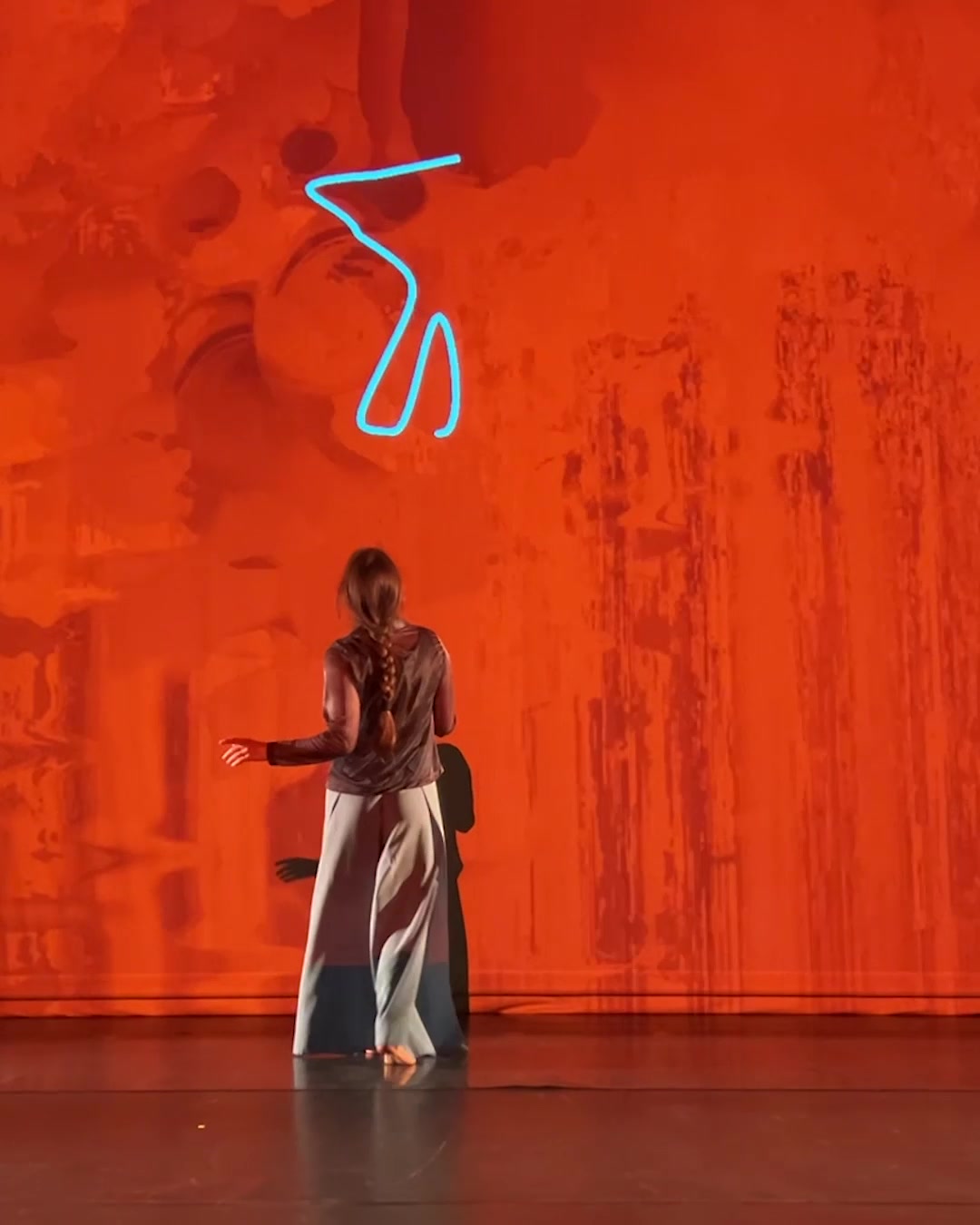
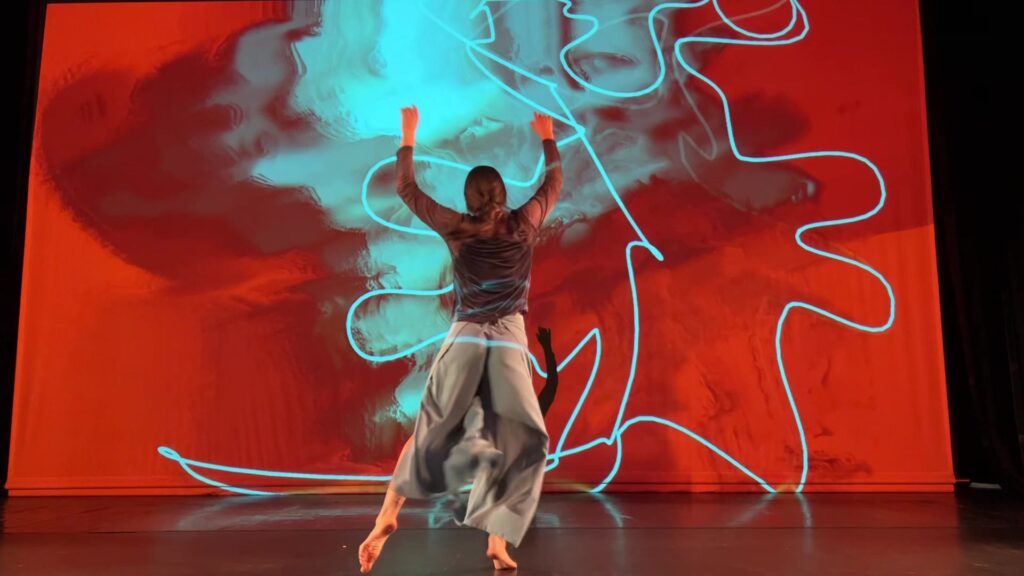
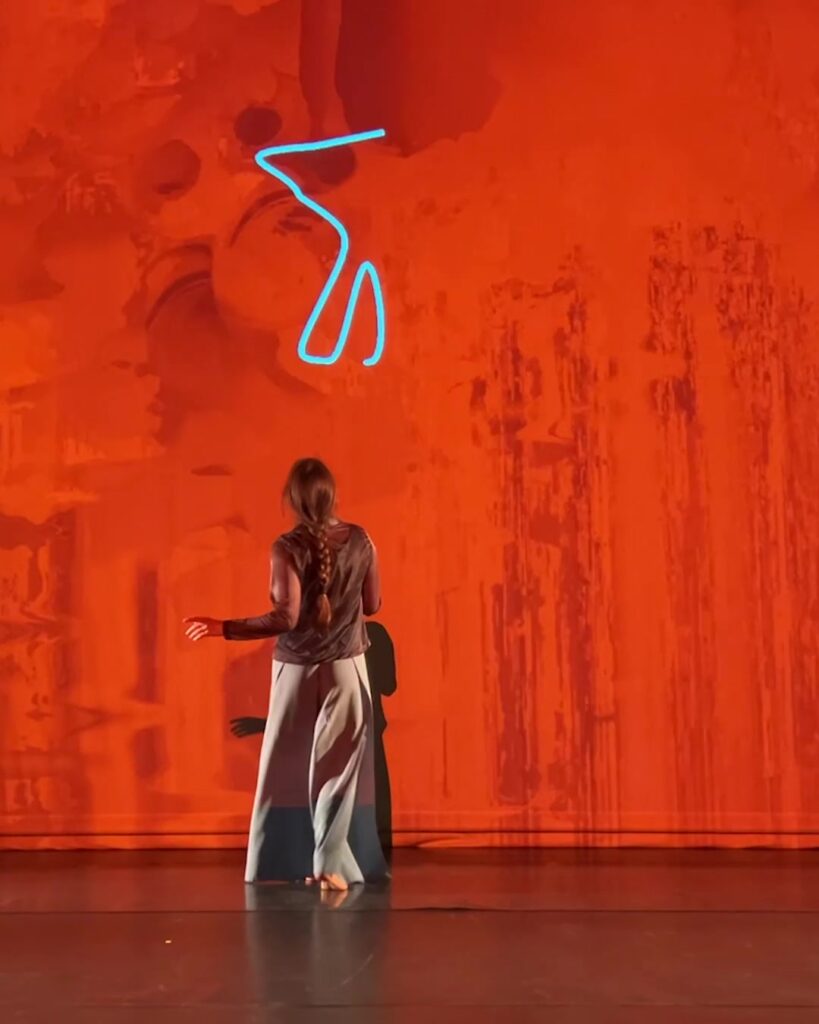
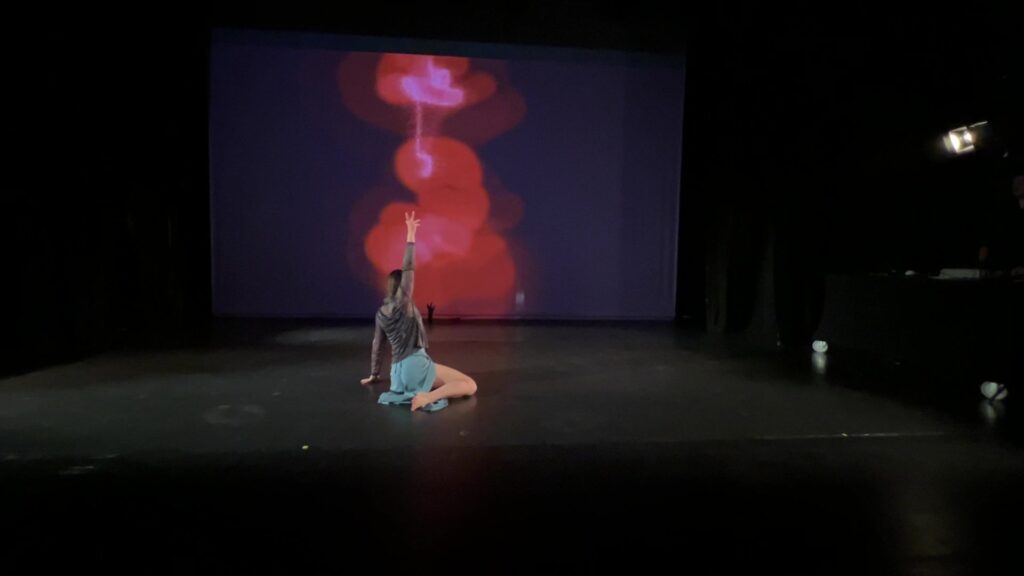
Two cameras track the dancer through optical flow. A TouchDesigner system translates movement into abstract projections: lines, flowing gradients, sudden fields of color. The setup forms a closed feedback loop. The dancer moves, the projection responds visibly, the dancer reacts to the response. The projection is not background. It is the material the performer works with in real time. This shifts what the system is asked to do. It does not interpret movement or render it accurately. It produces visual events that are legible enough for the performer to pick up on and unpredictable enough to prompt the next movement.

The loop runs in both directions: unfamiliar movement shifts perception, and shifted perception invites unfamiliar movement. The same dynamic became visible in the audience. The performance opened deliberately to participation, and visitors moved into it. Most of them started cautiously, then noticed the projection responding, and let that response carry them further than they would have moved on their own.